
Restoring Balance in Medicine: Andrew Rudin MD on Why Prevention Must Come First
How Evidence, Lifestyle, and Root-Cause Care Can Reorient a System Built on Reaction

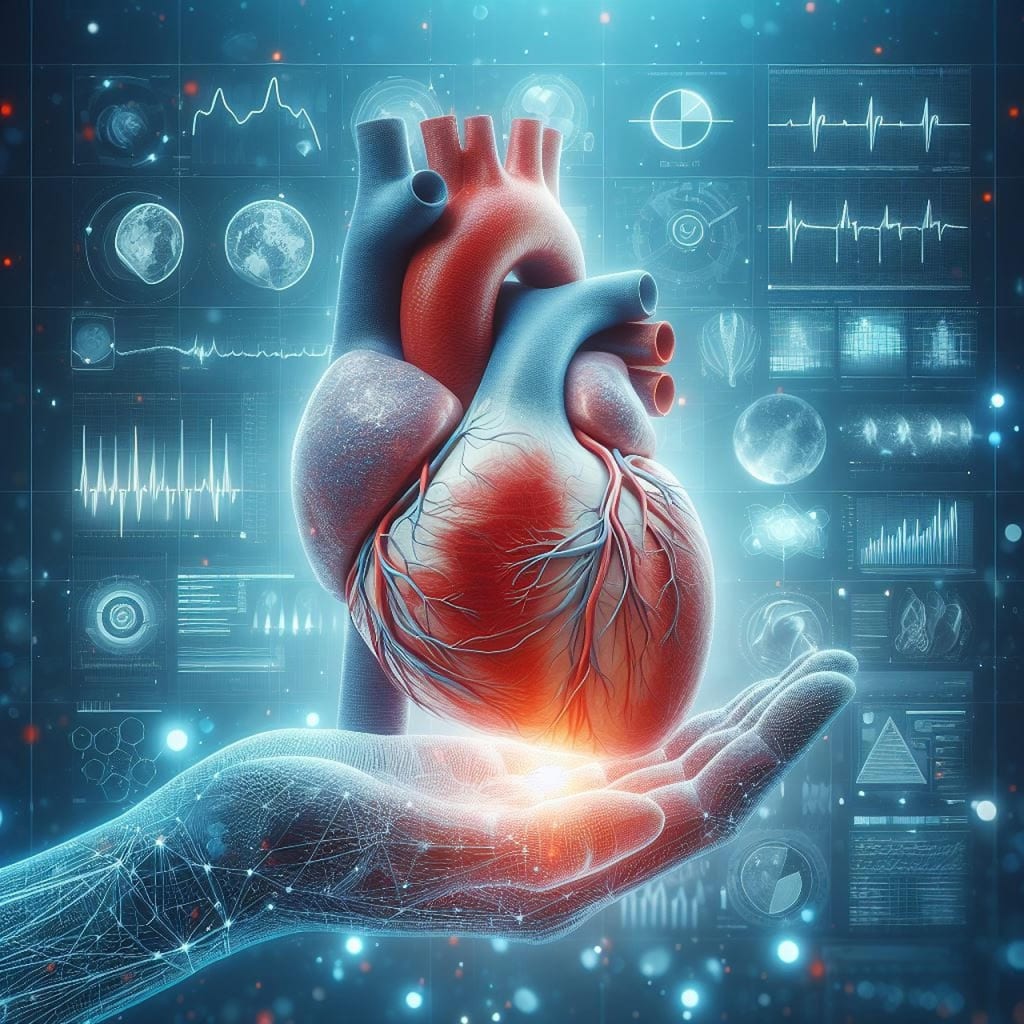
Modern healthcare has delivered extraordinary achievements. Medications control conditions that once shortened lives. Procedures restore heart rhythm, open blocked arteries, and prevent sudden cardiac events. Imaging technologies allow physicians to detect disease earlier and with greater precision than ever before. Yet despite these advances, many patients feel that care often begins too late. Treatment is efficient, but prevention is inconsistent. According to Andrew Rudin MD, this imbalance now represents one of the most significant challenges facing modern medicine.
Dr. Rudin does not question the value of contemporary medical tools. He uses them daily and acknowledges their lifesaving impact. His concern lies in how often care begins with intervention rather than understanding. Over time, healthcare systems have evolved to prioritize speed, action, and measurable procedures. As a result, patients frequently receive prescriptions or procedural recommendations without meaningful discussion of the biological conditions that allowed disease to develop.
In this environment, prevention becomes secondary. Patients leave appointments with plans to manage disease, but little guidance on how to restore health.
How a Reactive Model Took Hold
The shift toward reaction did not happen suddenly. It developed gradually as medicine advanced. New treatments created the ability to respond quickly to abnormal findings. Elevated cholesterol triggered medication. Imaging revealed plaque and prompted procedural conversations. While these responses can be appropriate, they often occur before a complete picture is considered.
Cardiology offers a clear illustration. Advanced imaging now detects coronary plaque long before symptoms appear. Patients understandably interpret these findings as urgent threats. Many assume that any visible blockage must be corrected immediately.
Andrew Rudin MD points to decades of evidence showing that elective stents placed in patients without symptoms do not consistently prevent heart attacks or extend life. Despite this, the belief that intervention equals protection remains widespread. Procedures feel decisive and reassuring, even when their benefit is limited.
This approach can unintentionally create false security. Patients may believe they are protected while continuing dietary patterns, inactivity, poor sleep, and chronic stress that drive disease progression. In the process, the opportunity to address root causes is missed.
The Hidden Costs of Excess Testing
Intervention is only part of the issue. The expansion of diagnostic testing also carries consequences that are often overlooked. CT scans and other imaging tools are invaluable when used appropriately, but they expose patients to ionizing radiation that accumulates over time.
Estimates published in 2023 suggested that CT imaging could contribute to approximately 103,000 future cancer cases in the United States across patients’ lifetimes. These risks are rarely discussed during routine care. Imaging is essential when clinically justified, but problems arise when tests are ordered reflexively rather than thoughtfully.
Short-term reassurance often drives overuse. Normal results reduce anxiety for patients and provide a sense of completeness for clinicians. Yet reassurance today may translate into harm years later. According to Dr. Rudin, every test should have a clear purpose tied to patient benefit, not fear or habit.
Why Patients Are Seeking Preventive Care
As dissatisfaction with reaction-based medicine grows, patients are increasingly exploring preventive approaches. This shift is reflected in the rapid growth of the global wellness economy, which surpassed $5.6 trillion in 2022 and continues to expand. Rather than rejecting science, patients are responding to gaps in traditional care.
People want to understand how nutrition influences metabolism, how sleep affects cardiovascular risk, and how chronic stress fuels inflammation. These questions are often left unanswered in brief appointments focused on lab values and imaging reports.
Andrew Rudin MD views this trend as a signal rather than a rebellion. Patients are not turning away from medicine. They are looking for guidance that addresses daily behaviors shaping long-term health. At the same time, he cautions that prevention must remain grounded in evidence. Wellness without scientific rigor can become as problematic as overtreatment.
Following Evidence Ahead of Tradition
Dr. Rudin’s emphasis on prevention is rooted in long-standing research, not recent trends. More than two decades ago, he presented academic lectures on the metabolic benefits of low-carbohydrate nutrition. At the time, these findings conflicted with mainstream dietary recommendations.
The data showed improvements in weight, blood pressure, and lipid profiles, yet public messaging remained unchanged. Even today, many patients believe dietary fat is inherently harmful, despite strong evidence linking refined carbohydrates and added sugars to metabolic disease.
This gap between evidence and belief continues to influence outcomes. Dr. Rudin’s recommendations remain practical and data-driven. Reduce added sugar. Eliminate ultra-processed foods. Focus on whole, nutrient-dense meals. These changes often produce improvements that rival or exceed those achieved by adding another medication.
Lifestyle as Foundational Medicine
For Andrew Rudin MD, lifestyle intervention is not an optional addition to care. It is foundational medicine. Addressing insulin resistance, chronic inflammation, disrupted sleep, and unmanaged stress can profoundly alter disease trajectories.
This approach does not delay necessary treatment. Instead, it restores proper sequence. Root causes are addressed early. Medications are used strategically. Procedures are reserved for situations where they clearly improve outcomes.
When lifestyle is ignored, care often becomes an escalating cycle. Medication doses increase, new drugs are added, and procedures multiply. When lifestyle is prioritized, many patients stabilize with fewer interventions and experience better quality of life.
Integrating Prevention and Intervention
Preventive care and conventional medicine are often framed as opposing philosophies. Dr. Rudin rejects this division. Life-saving interventions will always be essential, but their effectiveness is limited when behaviors and environments driving disease remain unchanged.
He sees his role as helping patients navigate both worlds. Information is abundant, but clarity is scarce. Patients need help interpreting evidence, understanding risk, and making decisions aligned with long-term health rather than short-term reassurance.
Redefining Progress in Healthcare
True progress in medicine should be measured not only by what healthcare can do, but by what it helps patients avoid. Fewer unnecessary tests. Fewer preventable procedures. More years lived with strength, clarity, and resilience.
By questioning reflexive reliance on medication and procedures, Andrew Rudin MD offers a vision of healthcare that is not less advanced, but more disciplined. A system where prevention leads, intervention supports, and medicine restores health rather than simply managing disease.
About the Creator
Dr. Andrew Rudin
Dr. Andrew Rudin is a cardiologist who specializes in finding causes of cardiovascular diseases and arrhythmias and treating them without pharmaceuticals.
Keep reading
More stories from Dr. Andrew Rudin and writers in Humans and other communities.
Beyond the Stent: Dr. Andrew Rudin’s Revolutionary Path to Heart Health
For most of his career, Dr. Andrew Rudin, MD knew how to fix hearts. A board-certified interventional cardiologist-electrophysiologist, Rudin has spent decades mastering complex procedures—catheter ablations, pacemaker insertions, and high-stakes interventions that save lives every day.
By Dr. Andrew Rudin5 months ago in Humans
Geology of the Soul: Scars, Mines, and the Scent of Freedom
As a geologist, I spent my life studying rocks, the ancient layers of the earth, and the immense, unseen force with which nature shapes the world. I know how mountains are formed through violent collisions and how rivers carve valleys over millennia. But I learned the hardest, most profound geology on my own skin. I learned that the most valuable crystals are never found resting easily on the surface; they are formed deep in the dark, under a crushing pressure that would turn an ordinary stone to dust.
By Magma Star4 days ago in Humans


Comments
There are no comments for this story
Be the first to respond and start the conversation.