
The Silent Strain: How Mental Health Is Shaping Our Modern Lives
Exploring the rising impact of anxiety, burnout, and depression in the digital age—and what we can do about it

Article:
In today’s fast-paced, hyperconnected world, mental health challenges are no longer isolated issues—they're becoming a defining feature of modern society. Anxiety, depression, and chronic burnout are at an all-time high, affecting people across all ages, professions, and cultures.
According to the World Health Organization, depression is now the leading cause of disability worldwide. In many countries, including the United States and India, mental health disorders are rising rapidly—especially among teenagers and young adults. But what's behind this quiet epidemic?
1. The Hidden Cost of Connectivity
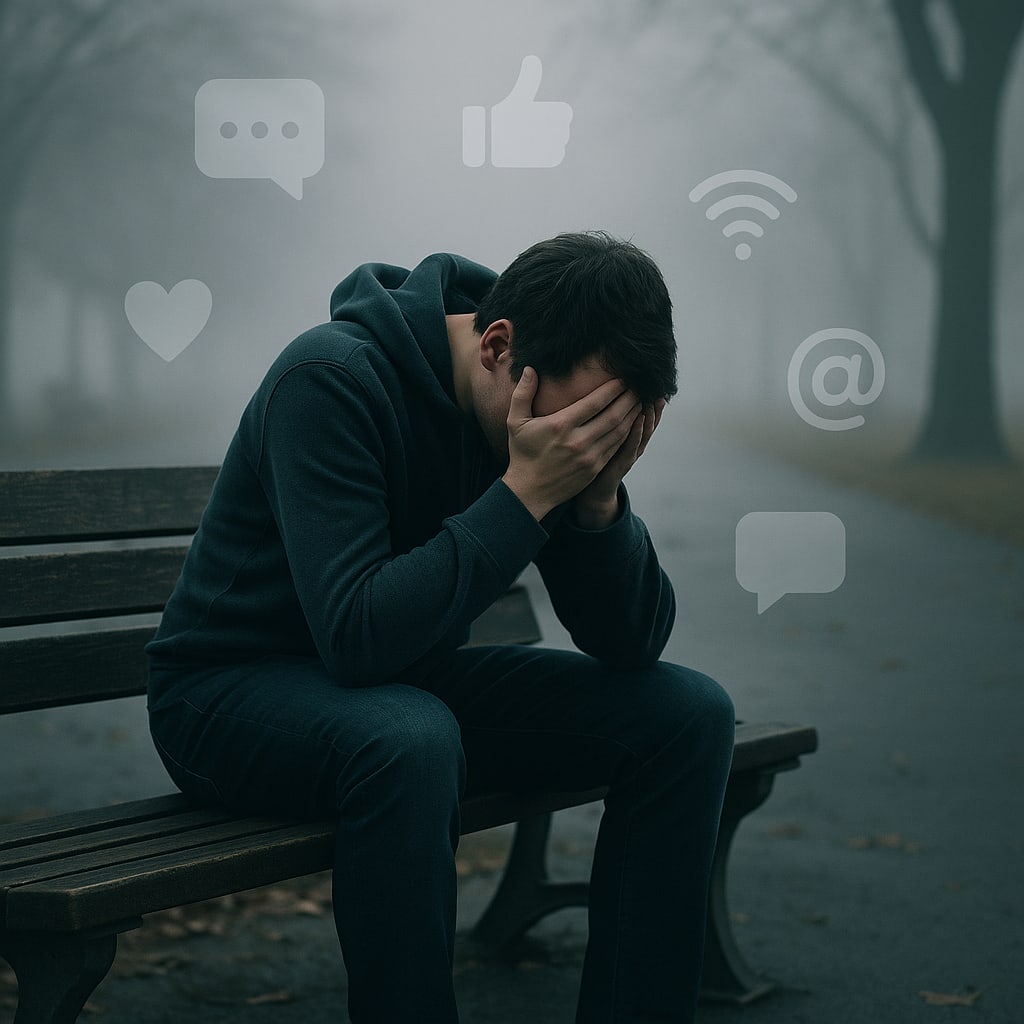
While social media and smartphones have connected us like never before, they’ve also brought unexpected consequences. The constant barrage of notifications, comparisons, and digital expectations can erode self-worth and focus. Research has shown a clear correlation between heavy social media use and feelings of loneliness and anxiety.
2. The Pressure to Perform
In the age of hustle culture, success is often equated with exhaustion. From academic pressure in students to productivity overload in professionals, people are feeling overwhelmed. The normalization of "grind till you drop" is pushing many toward emotional and physical breakdowns.
3. Pandemic Aftershocks
The COVID-19 pandemic left a permanent mark. Isolation, uncertainty, and grief triggered a global mental health crisis. Even years later, many continue to deal with lingering effects—post-traumatic stress, social withdrawal, and an overall loss of emotional resilience.
4. The Stigma Still Lingers
Despite growing awareness, seeking help still carries stigma in many societies. People hesitate to admit they’re struggling, fearing judgment, career consequences, or simply not being understood. This silence keeps many from getting the support they desperately need.
What Can Be Done?
Normalize Conversation: Talking about mental health should be as common as physical health. Sharing experiences creates empathy and lowers stigma.
Promote Preventive Care: Mental fitness—like mindfulness, exercise, and sleep—should be taught early and practiced daily.
Accessible Support: Governments, schools, and workplaces need to invest in better access to counselors, therapists, and helplines.
Digital Boundaries: Creating tech-free zones and mindful usage of social media can protect attention and emotional well-being.
The Way Forward
Mental health is no longer a private issue—it's a societal responsibility. If we listen more, judge less, and act early, we can create a culture where emotional strength is built, not broken. The mind, like the body, needs care, rest, and healing—and it’s time we made space for that in our daily lives.
In today’s fast-paced, hyperconnected world, mental health challenges are no longer isolated issues—they're becoming a defining feature of modern society. Anxiety, depression, and chronic burnout are at an all-time high, affecting people across all ages, professions, and cultures.
According to the World Health Organization, depression is now the leading cause of disability worldwide. In many countries, including the United States and India, mental health disorders are rising rapidly—especially among teenagers and young adults. But what's behind this quiet epidemic?
1. The Hidden Cost of Connectivity
While social media and smartphones have connected us like never before, they’ve also brought unexpected consequences. The constant barrage of notifications, comparisons, and digital expectations can erode self-worth and focus. Research has shown a clear correlation between heavy social media use and feelings of loneliness and anxiety.
2. The Pressure to Perform
In the age of hustle culture, success is often equated with exhaustion. From academic pressure in students to productivity overload in professionals, people are feeling overwhelmed. The normalization of "grind till you drop" is pushing many toward emotional and physical breakdowns.
3. Pandemic Aftershocks
The COVID-19 pandemic left a permanent mark. Isolation, uncertainty, and grief triggered a global mental health crisis. Even years later, many continue to deal with lingering effects—post-traumatic stress, social withdrawal, and an overall loss of emotional resilience.
4. The Stigma Still Lingers
Despite growing awareness, seeking help still carries stigma in many societies. People hesitate to admit they’re struggling, fearing judgment, career consequences, or simply not being understood. This silence keeps many from getting the support they desperately need.
What Can Be Done?
Normalize Conversation: Talking about mental health should be as common as physical health. Sharing experiences creates empathy and lowers stigma.
Promote Preventive Care: Mental fitness—like mindfulness, exercise, and sleep—should be taught early and practiced daily.
Accessible Support: Governments, schools, and workplaces need to invest in better access to counselors, therapists, and helplines.
Digital Boundaries: Creating tech-free zones and mindful usage of social media can protect attention and emotional well-being.
About the Creator
Syad Umar
my name is umar im from peshawer


Comments
There are no comments for this story
Be the first to respond and start the conversation.