
The Secret of Kung Fu
Where Martial Arts Meet Ancient Eastern Wisdom
Kung Fu Isn’t Just About Fighting
Did you ever wonder why Bruce Lee’s “one-inch punch” could knock someone back with just a flick of his wrist?
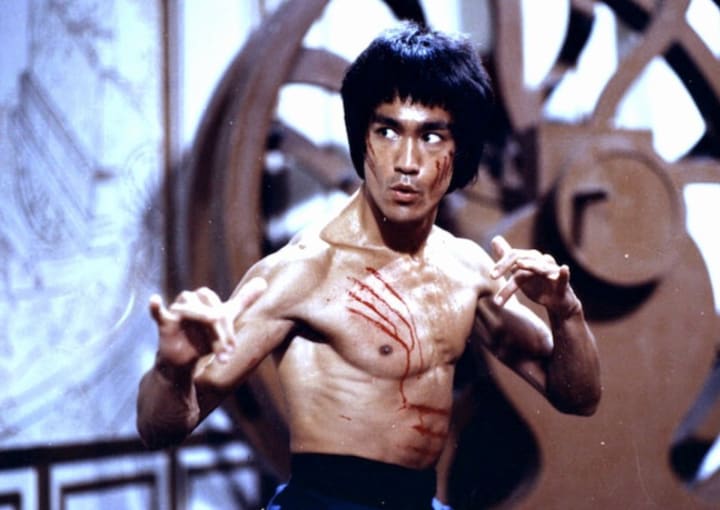
Most people think kung fu is all about flashy kicks and flying kicks, but the real secret lies in its philosophy. Today, we’ll uncover how this ancient practice blends martial arts with Eastern wisdom—and why it’s so much more than just fighting.
Misconceptions vs. Reality: The Origins of Kung Fu
Myth: Kung fu is just about acrobatics and special effects in movies.
Reality: It began as a form of self-defense and evolved into a spiritual practice.
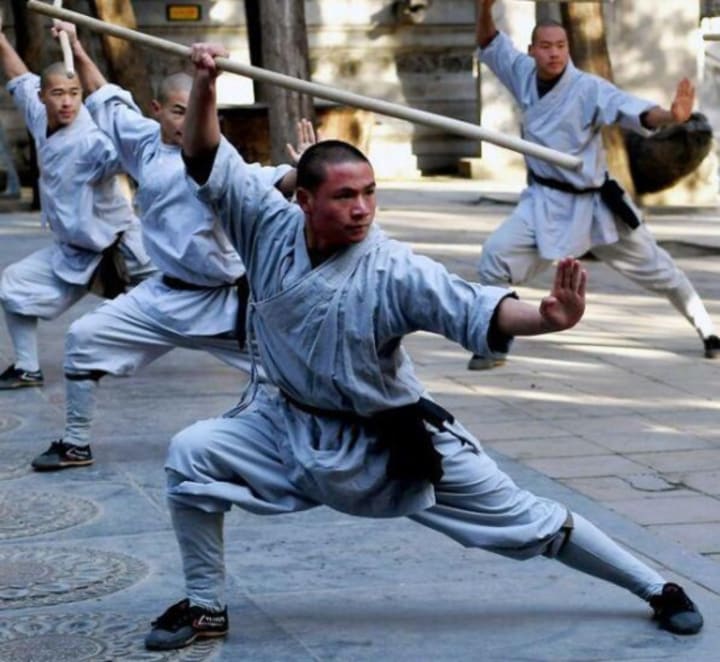
Did you know that kung fu started in Shaolin Temple over 1,500 years ago? Monks developed it to strengthen their bodies during long meditation sessions. Over time, it split into styles like the “hard” Northern Fist and the “soft” Southern Fist.
Case in point: Ip Man transformed Wing Chun from a street-fighting technique into a philosophy of balance and precision. His student? Bruce Lee himself.
The Soul of Kung Fu: Philosophy as Its Core
The Flow of Qi (Energy):
Kung fu isn’t just about physical strength—it’s about harnessing qi, or life energy.
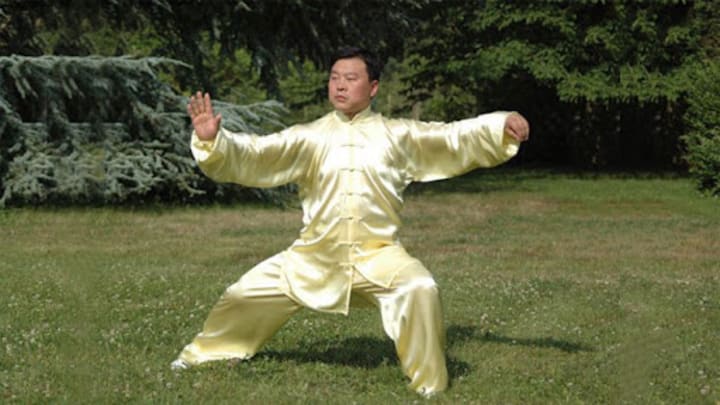
Legend has it that a Tai Chi master once defeated a much stronger opponent using only his breath and focus. By channeling qi, he turned the attacker’s force against them—literally “using a feather to move a mountain.”
Yin and Yang: The Dance of Balance:
Tai Chi embodies the idea of yin (softness) and yang (hardness) working together.

Unlike Western boxing, which emphasizes attacking, kung fu teaches us to “dance with the opponent.” It’s less about winning and more about harmony.
Zen and Mastery:
For Shaolin monks, kung fu is a path to enlightenment.
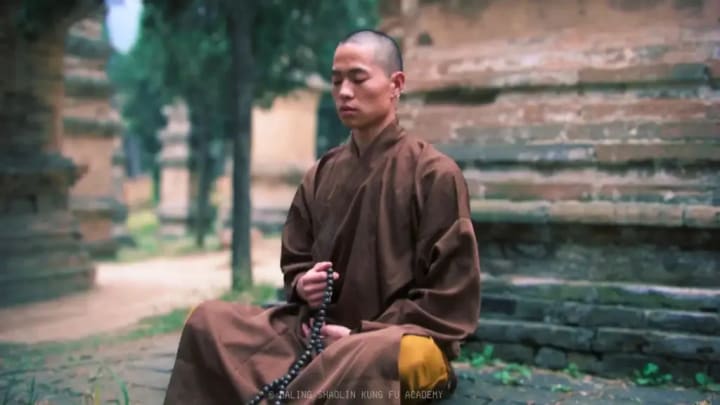
One Japanese student who trained at Shaolin said, “Kung fu taught me to find peace even in chaos. It’s not just about fighting—it’s about mastering my mind.”
From Body to Spirit: The Practice of Kung Fu
Physical Mastery:
Kung fu builds coordination and control.
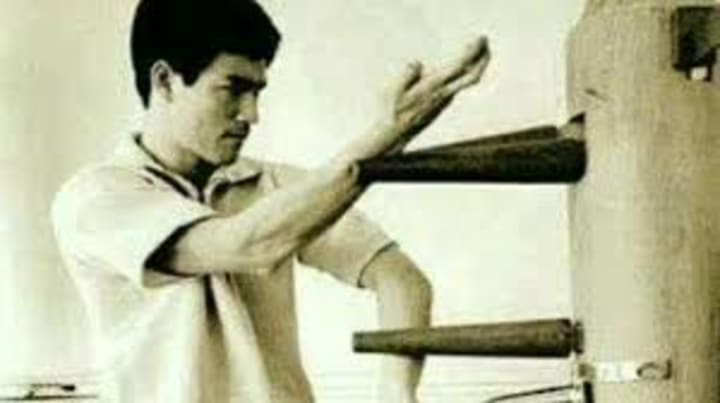
As a child, Bruce Lee was sickly and small. Through kung fu, he transformed his body—and his life.
Mental Discipline:
It’s also a tool for mental resilience.
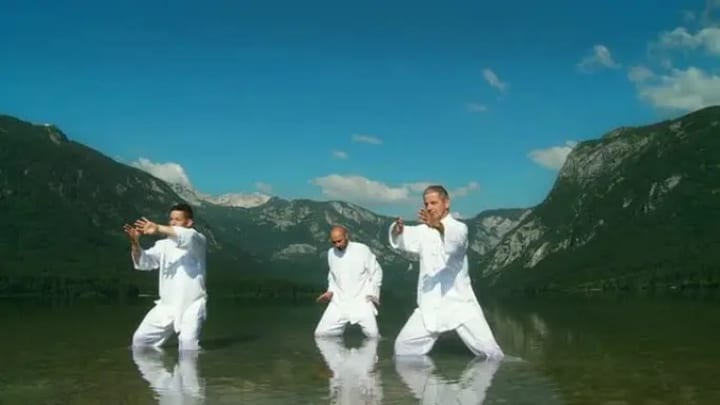
Sarah, a New York office worker, started Tai Chi to manage stress. “It’s like hitting a ‘reset’ button for my brain,” she says.
Kung Fu Goes Global: From China to Your Backyard
The Magic of Movies:
Films like Crouching Tiger, Hidden Dragon introduced the world to “internal power” (nei jin).
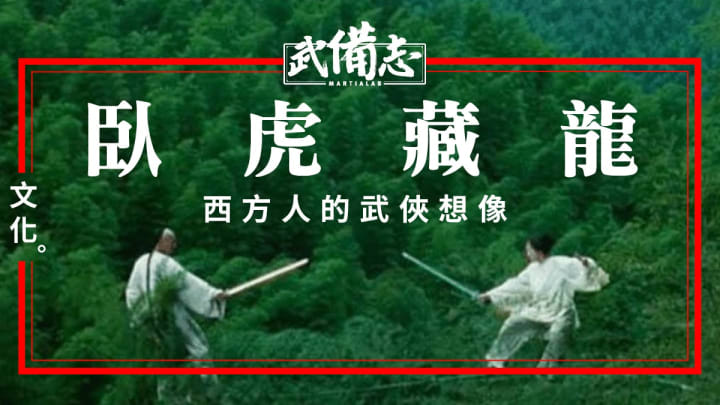
Unlike superheroes who rely on gadgets, Chinese heroes use philosophy and grace.
Modern Lessons:
Kung fu’s wisdom is now helping people worldwide.
Tech CEOs use its principles of balance to lead teams, while veterans practice Tai Chi to heal from PTSD.
Conclusion: Kung Fu Is a Way of Life
Kung fu isn’t just about fighting—it’s a philosophy for living.

Next time you’re stressed or overwhelmed, try channeling your “inner kung fu.” Remember: Even a gentle breeze can move a mountain—if you know how to flow.
Ready to discover your own kung fu journey? Find a class near you or start with a simple Tai Chi video online. The wisdom of 1,000 years is waiting for you.

About the Creator
Cabin Fever Because of Snow, Sleet, and Freezing Rain That Turned to Icy Roads
What Is Cabin Fever? The short answer is that cabin fever is restlessness from being in a confined area. Cabin fever is the distressing irritability or restlessness experienced when a person or group is stuck at an isolated location or in confined quarters for an extended time. Research shows that prolonged cold, gray skies, and being stuck indoors can trigger mood shifts similar to “winter blues.”
By Margaret Minnicksa day ago in Humans
Resistance Is Not the Enemy
Iron sharpens iron. Brakes save lives. Friction preserves form. Modern culture treats resistance as failure. Anything that slows momentum is framed as obstruction, anything that introduces friction is assumed to be opposition, and anything that interrupts progress is labeled a setback. But this instinct misunderstands how both physical systems and human growth actually work. Resistance is not inherently hostile. In many cases, it is the only thing preventing collapse.
By Peter Thwing - Host of the FST Podcast7 days ago in Humans



Comments
There are no comments for this story
Be the first to respond and start the conversation.