
The Secret Economy of Lagos Night Markets
What Really Happens After Midnight?

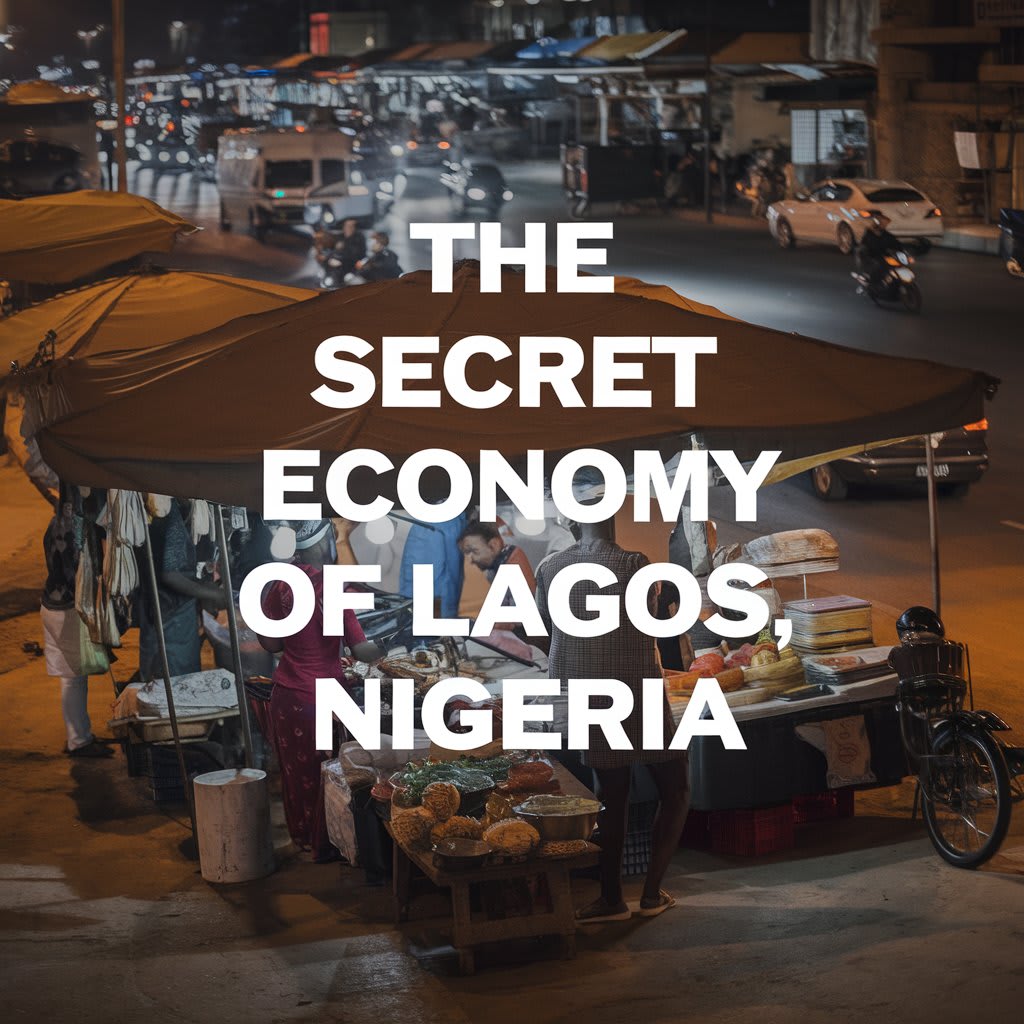
Lagos, Nigeria’s bustling megacity, is known for its energy, diversity, and a never-ending rhythm of commerce. But while most of the city sleeps, an entirely different world wakes up—the night markets. These markets are not just places to buy and sell goods; they are an ecosystem of survival, strategy, and hidden wealth.
A City That Never Sleeps
In many parts of Lagos, commerce does not end when the sun goes down. Instead, it simply shifts to a different pace, a different group of traders, and a unique set of customers. From Ajegunle to Mushin, Balogun to Mile 12, night markets spring to life in the shadows, offering a variety of goods ranging from fresh produce to electronics, clothing, and even black-market deals.
Unlike the structured, tax-monitored, and often-policed daytime markets, night markets operate under a different set of rules. Here, bargains are made in whispers, goods change hands quickly, and cash is king.
Who Runs the Night Markets?
The people who dominate these markets are not your average daytime traders. Instead, they are:
Petty Traders: Those who cannot afford the high cost of shop rentals use night markets as an opportunity to sell at lower prices.
Wholesale Suppliers: Many wholesalers prefer selling at night to avoid the official market taxes and levies imposed during the day.
Street Hustlers and Middlemen: These individuals connect buyers to sellers, taking a small cut for their services.
Security Personnel (Both Official and Unofficial): The night comes with its risks, so local ‘boys’ and informal security agents play a major role in keeping order.
What’s Sold in the Night Markets?
Unlike the well-organized stalls of daytime markets, night markets are more fluid, with traders carrying their goods around or setting up makeshift stands under streetlights. Some of the most popular items include:
1. Fresh Food and Farm Produce
Markets like Mile 12 and Oyingbo supply fresh vegetables, fruits, and grains straight from farms. Many food vendors and restaurant owners buy their stock at night to get the best prices before the morning rush.
2. Second-Hand Clothes and Shoes (Okrika)
In places like Yaba and Balogun, bundles of second-hand clothes, popularly called "okrika," arrive late at night. Many fashion resellers and boutique owners buy in bulk before dawn.
3. Mobile Phones and Electronics
Night markets in Computer Village and Alaba International are known for phone deals—some brand new, some second-hand, and others of... questionable origins. Many Lagosians hunting for budget-friendly gadgets visit these spots after dark.
4. Smuggled and Contraband Goods
Some night markets deal in products that are either smuggled or illegal to sell during the day—things like imported rice, expired goods repackaged as new, and even fake designer items.
5. The "Black Market" for Foreign Currency
Exchange rates fluctuate heavily in Lagos, and many people prefer to exchange money at night, away from the prying eyes of banks and financial regulators.
The Risks and Dangers
Night markets may be thrilling, but they are not for the faint-hearted. There are dangers that every buyer and seller must navigate, including:
Police and Task Force Raids: Many night markets operate illegally, and sudden police crackdowns can lead to traders losing their goods or even facing arrest.
Pickpockets and Scammers: With money flowing fast, thieves lurk in the crowd, waiting to prey on unsuspecting victims.
Fake and Low-Quality Goods: Buyers have to be careful, as many items sold at night markets are substandard or even outright counterfeits.
Why Do People Prefer Shopping at Night?
Despite the risks, Lagosians continue to flock to these markets. The reasons are simple:
Cheaper Prices: Goods are often much cheaper at night because traders are desperate to clear their stock before morning.
Convenience: Many people work late and can only shop at night.
Exclusive Deals: Some traders only sell rare or unique items after dark.
The Future of Lagos Night Markets
With Lagos growing as a business hub, the government is trying to regulate informal markets, including night trading. However, the resilience of these traders means that night markets will likely continue to thrive—perhaps in even more creative ways.
The next time you walk the streets of Lagos after midnight, look beyond the streetlights. You might just discover an entire economy running silently in the shadows, fueling the city while the rest of the world sleeps.
About the Creator
Author kelechi
Discover insightful content that blends expertise with fresh perspectives. Whether you're seeking in-depth analysis or practical advice, our page offers valuable information tailored to your interests. Dive in and stay informed.
Keep reading
More stories from Author kelechi and writers in Humans and other communities.
4 Types of Introverts Which One Are You?
Introversion is often misunderstood as simply being shy or avoiding social interactions. However, introverts are not necessarily anti-social—they just recharge their energy in solitude rather than through social interaction. Psychologist Jonathan Cheek, a professor at Wellesley College, proposed that introversion isn’t one-size-fits-all. Instead, he identified four different types of introverts: social, thinking, anxious, and restrained. Understanding which type of introvert you are can help you better navigate relationships, work, and personal growth. Let’s dive into each category and see which one resonates most with you.
By Author kelechi11 months ago in Humans
Lost and Alone in the French Alps
Looking back, I can trace some of my life’s biggest adventures to a simple action from my sister. She’d introduced me to Tommy (a very long time ago), a colleague of hers, who had overshared his penchant for Italian-looking women, and I ticked that box.
By Chantal Christie Weiss20 days ago in Humans
The Longest Night: The Construction Worker, The Ledge, and the Nine-Hour Vigil
The true story of Michael O'Rourke, a construction worker who spent nine hours on a Brooklyn rooftop talking a suicidal woman down from a ledge, proving the power of simple human presence.
By Frank Massey about 19 hours ago in Humans
Ludacris and Nelly draw backlash over bookings at MAGA-coded music festival
Ludacris and Nelly headlining a mostly right-wing event is good for them. It’s also great for the genre of hip hop. The two rap veterans have showcased their talents on other stages. Why can’t they perform for mostly MAGA folks and grab that bag?
By Skyler Saunders5 days ago in Beat




Comments
There are no comments for this story
Be the first to respond and start the conversation.