
The Rising Issue of Hunger in Pakistan:
Causes, Impacts, and Potential Solutions.

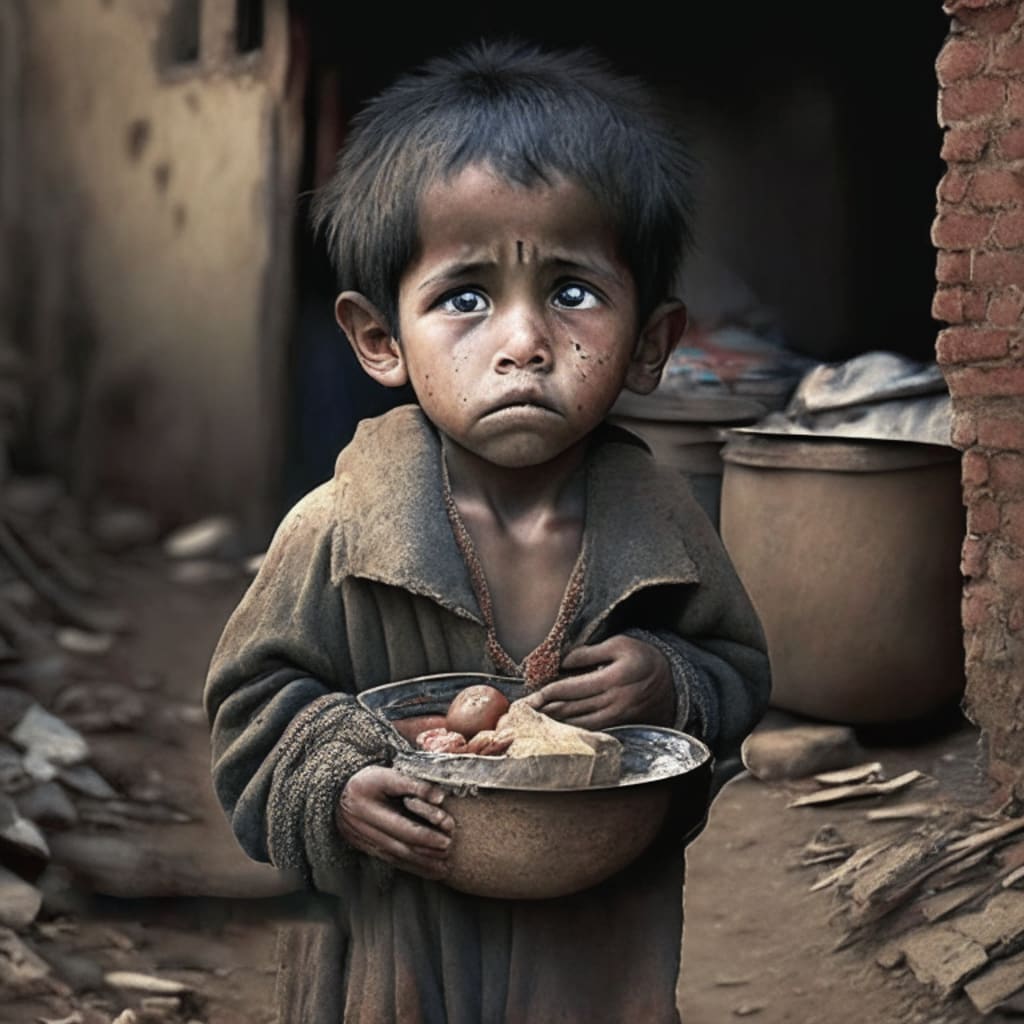
Hunger is an alarming problem affecting millions of people globally, and unfortunately, Pakistan is no exception. In recent years, the issue of hunger has been escalating in the country, posing significant challenges to individuals, families, and the overall socio-economic development. This article explores the causes behind the increasing hunger in Pakistan, highlights its impacts on society, and explores potential solutions to address this critical issue.
Socio-Economic Factors Contributing to Hunger
One of the key causes of hunger in Pakistan is the prevalence of poverty and income inequality. Pakistan continues to grapple with high levels of poverty, with a substantial portion of the population living below the poverty line. Limited access to resources and lack of economic opportunities make it difficult for many individuals and families to afford adequate food and nutrition.
Unemployment and underemployment are also major contributors to the hunger crisis. A significant portion of the population remains unemployed or works in low-paid jobs, which hampers their ability to meet their basic food needs. This perpetuates a cycle of poverty and food insecurity, leading to increased hunger rates.
Another factor exacerbating hunger in Pakistan is inflation and rising food prices. Inflationary pressures and increasing costs of essential food items make it harder for low-income households to access nutritious food. As a result, vulnerable populations are forced to compromise on quality and quantity, leading to malnutrition and hunger.
Agricultural Challenges and Food Insecurity
Pakistan's agricultural sector plays a vital role in providing food for the population, but it faces various challenges that contribute to food insecurity and hunger. Water scarcity and climate change pose significant threats to agriculture. Pakistan is highly vulnerable to climate change, experiencing erratic weather patterns, frequent droughts, and unpredictable monsoons. These factors have a detrimental impact on agricultural productivity, leading to reduced food production and availability.
Additionally, insufficient agricultural infrastructure further hampers food security. Limited access to modern farming techniques, lack of irrigation facilities, and inadequate storage and distribution systems result in post-harvest losses and food wastage. Farmers often struggle to preserve their produce, leading to a decrease in available food and an increase in hunger rates.
Crop failures and pest infestations also contribute to food insecurity. In recent years, Pakistan has witnessed several instances of crop failures due to extreme weather events. Moreover, pests and diseases pose a significant risk to crops, leading to reduced yields and further exacerbating the hunger crisis.
Impacts of Hunger on Society
Hunger has far-reaching impacts on individuals and society as a whole. One of the most significant consequences of hunger is malnutrition. Lack of adequate and nutritious food leads to various forms of malnutrition, particularly among vulnerable groups such as children and pregnant women. Malnutrition not only affects physical health but also hinders cognitive development, resulting in long-term consequences for the affected individuals.
Education is another sector profoundly affected by hunger. Hunger adversely affects children's ability to concentrate in school, hindering their educational progress and future prospects. Malnourished children often experience learning difficulties, leading to lower academic achievement and reduced opportunities for upward mobility.
Furthermore, widespread hunger can lead to social unrest and instability. Communities facing desperation and frustration due to the inability to meet their basic needs may resort to civil unrest as a means of expressing their grievances. This instability can have severe consequences for societal well-being, impeding progress and hindering economic development.
Potential Solutions and Mitigation Measures
Addressing the growing issue of hunger in Pakistan requires a comprehensive and multi-dimensional approach. Here are some potential solutions and mitigation measures that can help alleviate the hunger crisis:
Strengthening Social Safety Nets: Implementing and expanding social safety net programs that provide targeted assistance to the most vulnerable populations can help alleviate hunger and poverty. This includes initiatives such as conditional cash transfers, food subsidies, and school feeding programs, which aim to ensure access to food for those in need.
Agricultural Reforms and Investments: Investing in agricultural infrastructure, modern farming techniques, and water management systems can enhance food production and resilience against climate change. Providing farmers with access to credit, training, and improved seeds can boost agricultural productivity and increase food availability.
Promoting Sustainable Food Systems: Encouraging sustainable farming practices, promoting local food production, reducing food waste, and improving food distribution networks can contribute to a more equitable and secure food system. Emphasizing organic farming, promoting small-scale agriculture, and facilitating farmers' access to markets can enhance food security and reduce hunger.
Empowering Marginalized Communities: Supporting income-generating initiatives, vocational training, and education programs for disadvantaged groups can help uplift them from poverty and enhance their access to food. Empowering women, investing in youth development, and promoting entrepreneurship can create opportunities for economic growth and poverty reduction.
Conclusion
The rising issue of hunger in Pakistan poses significant challenges to the country's socio-economic development. Addressing this crisis requires a comprehensive approach that tackles the root causes of hunger, such as poverty, unemployment, and agricultural challenges. By implementing solutions such as strengthening social safety nets, investing in agricultural reforms, promoting sustainable food systems, and empowering marginalized communities, Pakistan can strive towards building a society where hunger is alleviated, and all individuals have access to nutritious food. Only through concerted efforts and collaborative action can Pakistan overcome this critical challenge and ensure a brighter future for its citizens.
About the Creator
Naseem naz
I am a dedicated teacher, shaping young minds with knowledge and inspiring them to reach their full potential. In my spare time, I unleash my creative spirit as a writer, weaving stories that transport readers to new worlds of imagination.
Keep reading
More stories from Naseem naz and writers in Humans and other communities.
Culture and Traditions of Pakistan.
Pakistan, a country located in South Asia, boasts a rich and diverse cultural heritage that is shaped by centuries of history and influences from various civilizations. Its culture and traditions reflect the fusion of indigenous customs with those of the Arab, Persian, Central Asian, and Indian subcontinent regions. Let's delve into the vibrant tapestry of Pakistan's culture and explore its traditions.
By Naseem naz3 years ago in Education
Whiskey At Dusk
Guess the whiskey was more important to you in the end, wasn’t it? It was more than the well-being of your friends; more vital than showing up to the places you promised you would and could come to; more critical of a matter than fulfilling your damn responsibilities and getting the press off your back.
By Snarky Lisaabout 14 hours ago in Humans
Who am I?
I’m in a crowd of people, all I hear is noise surrounding me. Words echo like rolling thunder. Facial expression are vast like waves in the ocean. Im battling to drown out the chaos. This is me, and this is what daily life looks like for me. I am a woman, daughter, sister, mother, partner, friend, confidant, and every single title a woman can carry in a world that we need to be identified in with a word. Do I know who I am? Do these words that describe me, make me who I am? Or do the opinions and perception of others and maybe one. Make me who I am?
By Deana Cabison3 days ago in Humans


Comments
There are no comments for this story
Be the first to respond and start the conversation.