
Culture and Traditions of Pakistan.
Exploring the Rich Culture of Pakistan.

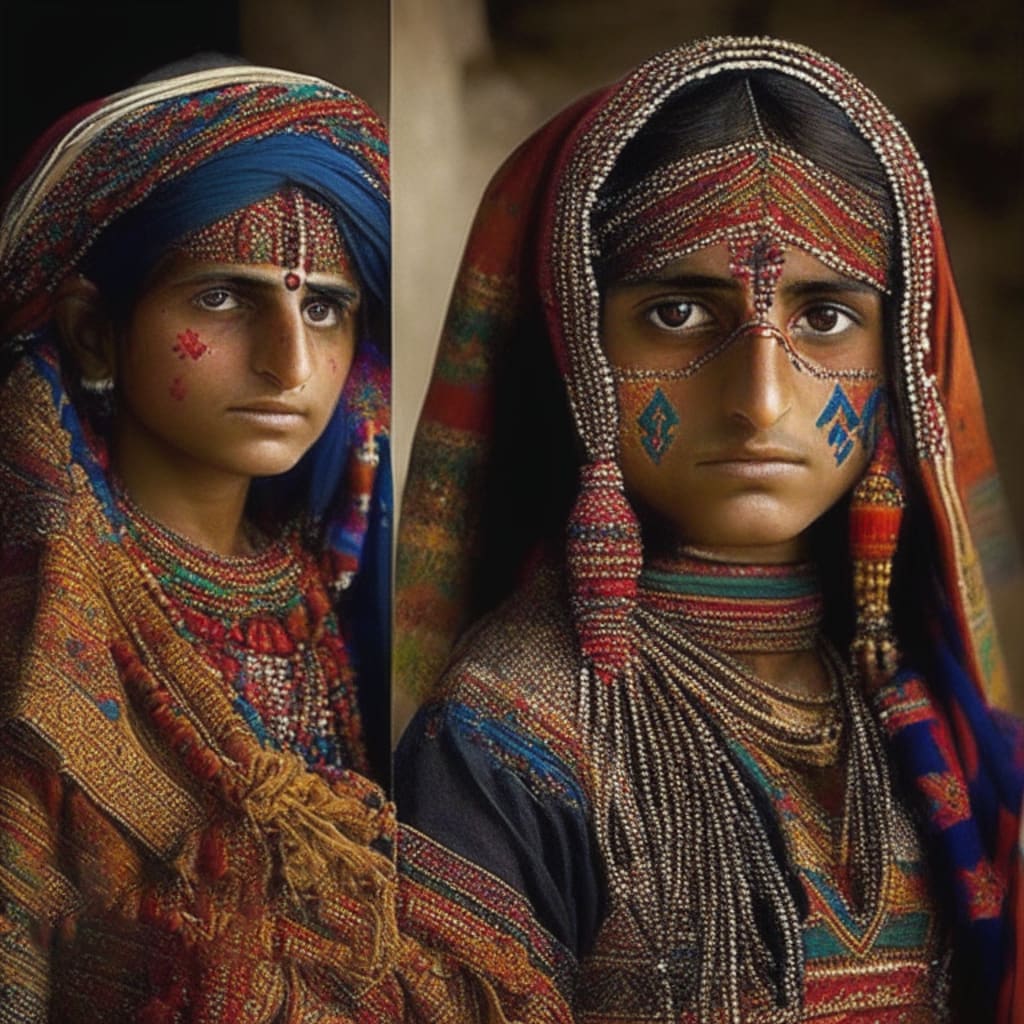
Pakistan, a country located in South Asia, boasts a rich and diverse cultural heritage that is shaped by centuries of history and influences from various civilizations. Its culture and traditions reflect the fusion of indigenous customs with those of the Arab, Persian, Central Asian, and Indian subcontinent regions. Let's delve into the vibrant tapestry of Pakistan's culture and explore its traditions.
Language plays a crucial role in Pakistan's cultural identity. Urdu, the national language, is widely spoken and understood throughout the country. However, Pakistan is linguistically diverse, with regional languages such as Punjabi, Sindhi, Balochi, and Pashto being spoken in different provinces. These languages not only serve as a means of communication but also preserve and promote distinct cultural values and traditions.
One of the most prominent aspects of Pakistani culture is its cuisine. Pakistani cuisine is renowned for its rich flavors and aromatic spices. Rice, wheat, and meat form the foundation of most traditional dishes. Biryani, a fragrant rice dish cooked with meat or vegetables, is a popular favorite. Other notable dishes include seekh kebab, chicken tikka, nihari, and haleem. Additionally, a variety of desserts like gulab jamun, kheer, and jalebi are relished on special occasions and festivals.
Pakistanis take great pride in their traditional attire. The national dress for men is the shalwar kameez, which consists of loose-fitting trousers (shalwar) and a long shirt (kameez). Women typically wear colorful and intricately embroidered shalwar kameez or the elegant flowing attire known as the "lehenga choli" on festive occasions. In rural areas, women can be seen wearing traditional outfits such as the "ghagra choli" or the "sari." These clothing styles not only represent the cultural heritage but also provide comfort in the diverse climatic conditions of the country.
Religion plays a significant role in shaping the culture and traditions of Pakistan, with Islam being the dominant religion followed by the majority of the population. Islamic festivals such as Eid-ul-Fitr and Eid-ul-Adha hold great religious and social importance. During Eid-ul-Fitr, Muslims celebrate the end of Ramadan, the holy month of fasting, by gathering for prayers, exchanging gifts, and sharing festive meals. Eid-ul-Adha commemorates the willingness of Ibrahim (Abraham) to sacrifice his son and involves the ritual slaughter of animals, followed by the distribution of meat to the needy.
Music and dance are deeply ingrained in Pakistani culture. Traditional music genres such as Qawwali, Ghazal, and Sufi music continue to captivate audiences with their soulful melodies and poetic lyrics. The sitar, tabla, harmonium, and dhol are some of the instruments commonly used in traditional Pakistani music. Folk dances like the Bhangra, performed in Punjab, and the Attan, a Pashtun dance, showcase the energetic and rhythmic movements that depict the cultural heritage of different regions.
Hospitality is an integral part of Pakistani culture. The concept of "Mehman Nawazi" (hospitality) is deeply ingrained, and guests are treated with utmost respect and warmth. It is common for people to go to great lengths to make guests feel welcome, offering them food, refreshments, and comfortable accommodations. This hospitality is not limited to close friends and family but extends to strangers as well.
Sports, particularly cricket, holds a special place in the hearts of Pakistanis. Cricket is the most popular sport in the country, and the national cricket team is celebrated nationwide. The passionate support for the team during matches creates a sense of unity and national pride. Other traditional sports like kabaddi, hockey, and squash also have significant followings and showcase the country's sporting prowess.
Art and craft have been an integral part of Pakistan's cultural heritage for centuries. The country is famous for its intricate handicrafts, such as woodwork, pottery, embroidery, and jewelry. The handwoven carpets and rugs, particularly from regions like Kashmir and Multan, are highly prized for their exquisite designs and craftsmanship. Pakistani artists, both contemporary and traditional, have made significant contributions to the fields of painting, calligraphy, and miniature art.
In conclusion, Pakistan's culture and traditions reflect a rich tapestry of influences, religious practices, and regional diversity. From its delectable cuisine to its traditional attire, music, and art, Pakistan showcases a vibrant cultural heritage that is cherished by its people. The customs and rituals passed down through generations continue to shape the social fabric of the country and contribute to its unique identity on the global stage.
About the Creator
Naseem naz
I am a dedicated teacher, shaping young minds with knowledge and inspiring them to reach their full potential. In my spare time, I unleash my creative spirit as a writer, weaving stories that transport readers to new worlds of imagination.
Keep reading
More stories from Naseem naz and writers in Education and other communities.
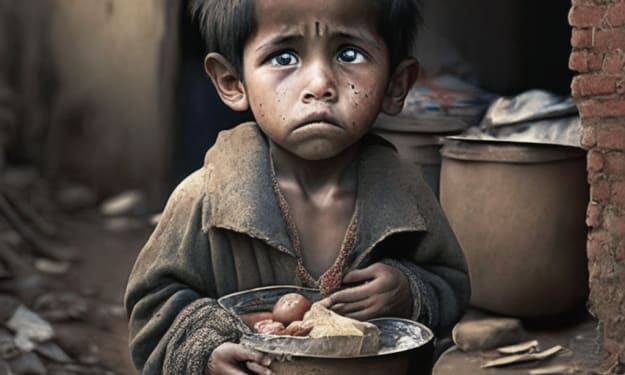
The Rising Issue of Hunger in Pakistan:
Hunger is an alarming problem affecting millions of people globally, and unfortunately, Pakistan is no exception. In recent years, the issue of hunger has been escalating in the country, posing significant challenges to individuals, families, and the overall socio-economic development. This article explores the causes behind the increasing hunger in Pakistan, highlights its impacts on society, and explores potential solutions to address this critical issue.
By Naseem naz3 years ago in Humans
Unlock Pinpoint Precision: How to Improve Golf Accuracy and Control With Expert Techniques
Golf is a game of small margins. A shot that veers just a few yards off course can cost you a stroke or even more. While power may seem impressive, accuracy and control are what truly separate average players from skilled ones. These qualities help you land the ball where you want it, avoid hazards, and play with more confidence.
By Daniel Ladner3 days ago in Education


Comments
There are no comments for this story
Be the first to respond and start the conversation.