
The Race That Decided Mortality
Why Slow Wisdom Lost to Hasty Instincts

Have you ever wondered why humans age and die, while myths speak of a time when immortality was within reach? One of the most profound African creation myths tells of a fateful race between two animals—a patient chameleon and an impulsive dog—that forever shaped human destiny. This ancient tale isn’t just about why we grow old; it’s a timeless lesson on how haste often leads to irreversible consequences. Let’s explore this gripping story and uncover why, even today, we struggle with patience in a world that rewards speed.
The Fateful Contest Between Patience and Speed
At the heart of this African Creation Myth is a divine test. The gods, seeking to determine humanity’s fate, chose two messengers: a slow-moving chameleon carrying the gift of eternal life and a swift dog bearing the curse of mortality. The rule was simple—the first to arrive would decide mankind’s future.
The chameleon, methodical and observant, took its time, admiring the beauty of the world along the way. Meanwhile, the dog, driven by instinct and urgency, sprinted ahead without hesitation. When the panting canine reached the village first, it delivered its grim message: "Death will take you all." By the time the chameleon arrived, the decree was irreversible. This story explains not just the origin of death but also serves as a cautionary reminder—some choices, once made, cannot be undone.
What This Ancient Tale Teaches Us About Modern Life
This legend, like many African Folktales, isn’t just a relic of the past. It mirrors our modern struggle with patience versus impulsiveness. In a world that glorifies speed—fast decisions, instant gratification, and quick results—we often forget the cost of recklessness. The dog’s haste brought death, but the chameleon’s delay wasn’t mere laziness; it was mindfulness, an appreciation for the journey rather than just the destination.
Today, we see this conflict everywhere—people rushing into decisions they later regret, skipping steps to save time, only to face greater consequences. The story’s wisdom is clear: some things require deliberation. Whether in relationships, careers, or health, acting too quickly can lead to irreversible mistakes, much like the dog’s irreversible curse.
Why the Chameleon’s Approach Still Matters
If the chameleon had won, humanity might have lived forever. But beyond immortality, its lesson is about how we live. The reptile’s slow pace wasn’t weakness—it was awareness. It noticed the flowers, the wind, the subtle shifts in the earth. In contrast, the dog saw only the finish line.
This mirrors today’s dilemma: do we race through life, chasing goals without savoring moments? Or do we move with intention, understanding that some paths are meant to be walked, not sprinted? The chameleon’s way reminds us that wisdom often lies in slowing down, even when the world pressures us to hurry.
The Dog’s Legacy: How Haste Shapes Human Nature
The dog’s victory didn’t just bring death—it ingrained urgency into human behavior. We inherited its restless nature, always chasing, always striving, often without pausing to ask why. This folktale suggests that our mortality is tied to our impulsiveness, a poetic reflection on how short lives can feel when lived in haste.
Yet, there’s hope. Just as the story warns against recklessness, it also implies that we can choose to embrace the chameleon’s wisdom. By balancing speed with patience, we might not escape death, but we can make our time more meaningful.
A Timeless Lesson for a Fast-Paced World
Thousands of years later, this story still resonates because humanity hasn’t changed. We still struggle with patience, still suffer the consequences of rushed choices, and still yearn for the immortality of legacy rather than flesh. The race between the chameleon and the dog wasn’t just about life and death—it was about how we live.
Perhaps the true moral isn’t that death won, but that we have the power to outsmart haste. By learning from the chameleon’s deliberate pace, we can navigate life’s race with wisdom, ensuring that even if our time is limited, our impact isn’t.
What do you think—would humanity be better off if the chameleon had won? Or does mortality give life its meaning? Share your thoughts below!
About the Creator
Keep reading
More stories from AfriRoots Folktales Stories and writers in Humans and other communities.
From Singer to Scavenger
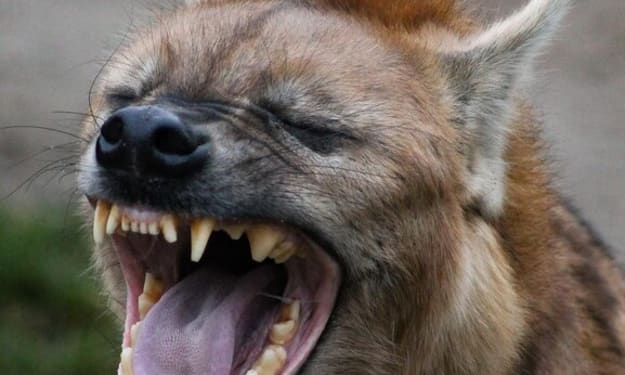
The desert has long been a keeper of secrets, whispering tales of creatures that once roamed with pride but now linger in the shadows. Among these stories, few are as haunting as the legend of a certain desert dweller—a creature whose voice was once so enchanting it could silence the wind. But arrogance has a way of twisting gifts into curses, and today, this animal is known not for its song, but for its scornful laugh. Passed down through generations by griots, this oral tradition serves as a timeless warning about the cost of greed and the fragility of pride.
By AfriRoots Folktales Stories10 months ago in Humans
Whiskey At Dusk
Guess the whiskey was more important to you in the end, wasn’t it? It was more than the well-being of your friends; more vital than showing up to the places you promised you would and could come to; more critical of a matter than fulfilling your damn responsibilities and getting the press off your back.
By Snarky Lisaa day ago in Humans
Subtle Signs Your Body Responds to Emotional Energy.
Emotions influence more than thoughts. They shape how your body reacts in ways you might not notice. Understanding these signals helps you recognize emotional patterns and maintain better mental and physical health.
By Wilson Igbasiabout 3 hours ago in Humans


Comments
There are no comments for this story
Be the first to respond and start the conversation.