
Adaptability: The Skill That Future-Proofs Your Career
Stay relevant in a fast-changing world Learn why adaptability defines long-term success

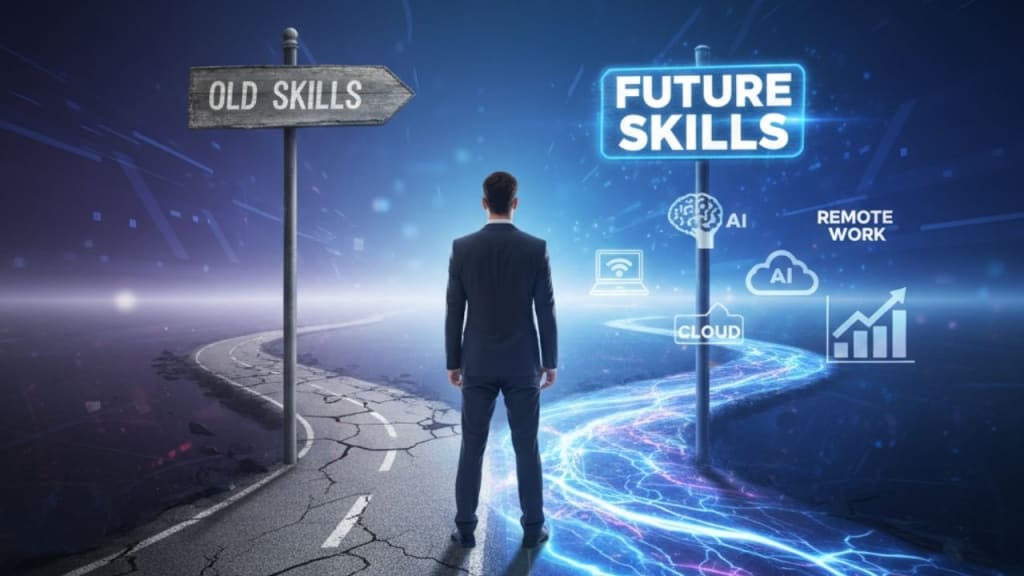
Introduction: Why Adaptability Is the New Career Insurance
The modern job market is changing at an unprecedented pace. Automation, artificial intelligence, remote work, and global competition have reshaped how careers are built and sustained. In this environment, technical expertise alone is no longer enough. The single most important skill that separates professionals who thrive from those who struggle is adaptability.
Adaptability is not about reacting to change reluctantly; it is about anticipating change, learning continuously, and evolving with confidence. Professionals who cultivate adaptability are better equipped to navigate uncertainty, remain relevant, and seize new opportunities—regardless of how industries shift.
What Is Adaptability in the Modern Workplace?
Defining Adaptability as a Core Professional Skill
Adaptability is the ability to adjust effectively to new conditions, expectations, technologies, and challenges. In the workplace, it involves learning new skills quickly, responding constructively to change, and maintaining performance under evolving circumstances.
It is not a soft skill in the traditional sense. Adaptability directly impacts productivity, leadership potential, and long-term career sustainability.
Adaptability vs. Flexibility: Key Differences
While often used interchangeably, adaptability and flexibility are not the same. Flexibility refers to willingness to change plans or schedules. Adaptability goes further—it includes problem-solving, learning, emotional regulation, and strategic thinking when faced with disruption.
An adaptable professional does not merely accept change; they leverage it.
Why Employers Value Adaptable Professionals
Organizations increasingly prioritize adaptable employees because they:
- Learn faster during transitions
- Require less oversight during change
- Contribute innovative solutions
- Lead effectively in uncertain environments
In volatile markets, adaptable talent reduces risk and increases organizational resilience.
The Forces Driving the Need for Adaptability
Rapid Technological Change and Automation
Technologies evolve faster than job descriptions. Skills that were valuable five years ago may already be obsolete. Adaptability allows professionals to continuously reskill and remain employable as tools, platforms, and processes change.
AI, Remote Work, and the Digital Economy
AI and remote work have redefined productivity and collaboration. Professionals must adapt to digital communication, virtual leadership, and AI-assisted workflows to remain competitive.
Industry Disruption and Job Role Evolution
Entire industries are being reshaped, and job roles are increasingly hybrid. Adaptability enables professionals to pivot roles, shift industries, and redefine their value without restarting their careers.
How Adaptability Future-Proofs Your Career
Staying Relevant in a Shifting Job Market
Adaptable professionals update their skills proactively. They monitor trends, learn emerging technologies, and adjust career paths before disruption forces change.
Turning Uncertainty into Opportunity
Change often creates new roles and markets. Those who adapt quickly are positioned to capitalize on opportunities while others resist and fall behind.
Building Long-Term Career Resilience
Adaptability reduces career fragility. Instead of depending on a single role or skill set, adaptable professionals build diversified capabilities that protect them from sudden job loss or industry decline.
Key Traits of Highly Adaptable Professionals
Growth Mindset and Continuous Learning
Adaptable individuals believe skills can be developed. They seek learning opportunities, welcome challenges, and view setbacks as feedback rather than failure.
Emotional Intelligence and Self-Awareness
Change often triggers stress. Emotional intelligence allows adaptable professionals to manage emotions, remain composed, and support others during transitions.
Problem-Solving and Creative Thinking
Adaptability requires the ability to find solutions in unfamiliar situations. Creative problem-solving enables professionals to perform even without established playbooks.
Openness to Feedback and Change
Adaptable professionals actively seek feedback and adjust their behavior accordingly. They understand that improvement requires course correction.
Adaptability Skills You Must Develop
Learning Agility and Upskilling
Learning agility is the ability to acquire new skills quickly and apply them effectively. This includes technical skills, digital literacy, and cross-functional knowledge.
Communication in Changing Environments
Clear communication becomes critical during change. Adaptable professionals adjust their communication style across cultures, platforms, and team structures.
Decision-Making Under Uncertainty
In dynamic environments, decisions must be made with incomplete information. Adaptable professionals balance data with judgment and act decisively.
Stress Management and Mental Resilience
Sustained adaptability requires mental resilience. Managing stress, maintaining focus, and avoiding burnout are essential components of long-term success.
Adaptability Across Career Stages
Early-Career Professionals
Adaptability helps early-career professionals explore roles, learn rapidly, and identify emerging career paths rather than locking into outdated trajectories.
Mid-Career Transitions and Pivots
For mid-career professionals, adaptability enables strategic pivots—whether shifting industries, embracing leadership, or integrating new technologies.
Leadership and Executive Adaptability
Leaders must model adaptability. Strategic agility, change management, and cultural leadership are essential for guiding teams through uncertainty.
Real-World Examples of Adaptability in Action
Career Pivots That Led to Success
Many professionals have transitioned from traditional roles into digital, analytical, or leadership positions by proactively reskilling and embracing change.
Companies That Thrive Through Adaptation
Organizations that adapt quickly to market changes—by embracing innovation and continuous learning—outperform competitors that resist transformation.
Lessons Learned from Failure to Adapt
Companies and professionals that ignore change often face decline. Resistance to innovation is one of the most common causes of career stagnation and organizational failure.
Practical Ways to Build Adaptability Daily
Developing a Continuous Learning Habit
Commit to ongoing education through courses, reading, and hands-on experimentation. Learning should be routine, not reactive.
Embracing Change Proactively
Seek new projects, volunteer for cross-functional work, and step outside comfort zones to strengthen adaptability muscles.
Expanding Skills Beyond Your Job Description
Develop complementary skills such as data analysis, communication, or leadership to increase versatility.
Networking and Exposure to New Perspectives
Engaging with diverse professionals exposes you to new ideas and helps you anticipate industry shifts.
Measuring and Improving Your Adaptability
Self-Assessment Techniques
Reflect on how you respond to change. Do you resist, delay, or engage proactively? Honest self-evaluation is the first step toward improvement.
Feedback and Performance Reviews
Seek constructive feedback from peers and managers regarding your responsiveness to change and learning agility.
Setting Adaptability-Focused Career Goals
Include adaptability goals such as learning new tools, leading change initiatives, or transitioning into evolving roles.
The Future of Work: Adaptability as a Competitive Advantage
As automation accelerates and job roles evolve, adaptability will become a defining professional currency. Those who can learn, unlearn, and relearn will outperform those who rely solely on past expertise.
Conclusion: Why Adaptability Is No Longer Optional
Adaptability is not a bonus skill—it is a survival skill. In an unpredictable world of work, it determines who advances, who stagnates, and who becomes obsolete.
By cultivating adaptability through continuous learning, emotional intelligence, and proactive change engagement, you future-proof your career against disruption. The professionals who succeed tomorrow are those who adapt today.
About the Creator
Keep reading
More stories from Muhammad Talha Ahmad and writers in Humans and other communities.
7 Soft Skills That Make You Stand Out Instantly
Introduction: Why Soft Skills Create Immediate Impact In today’s competitive professional environment, technical expertise is no longer enough to stand out. While hard skills may help you qualify for a role, soft skills determine how quickly you earn trust, influence others, and advance in your career. Employers increasingly look for individuals who communicate well, adapt to change, and collaborate effectively. These abilities create an immediate impression—often within the first interaction. Below are seven soft skills that can instantly set you apart, regardless of your industry or experience level.
By Muhammad Talha Ahmad2 months ago in Families
I Tried Every Weight loss Diet on the Internet. None of Them Fixed the Real Problem
For a long time, I believed the internet had the answer to my weight problem. Every week it seemed like a new diet was trending. Articles promised dramatic results. Videos showed incredible before-and-after photos. Experts explained why their method was different from everything that came before.
By Edward Smith4 days ago in Humans



Comments
There are no comments for this story
Be the first to respond and start the conversation.