
The Psychology of Fandom: Understanding Why Humans Attach Themselves to Imaginary Worlds
Exploring why humans immerse themselves in fictional worlds, how fandoms shape identity, community, and culture, and their impact on creativity and society.

Introduction
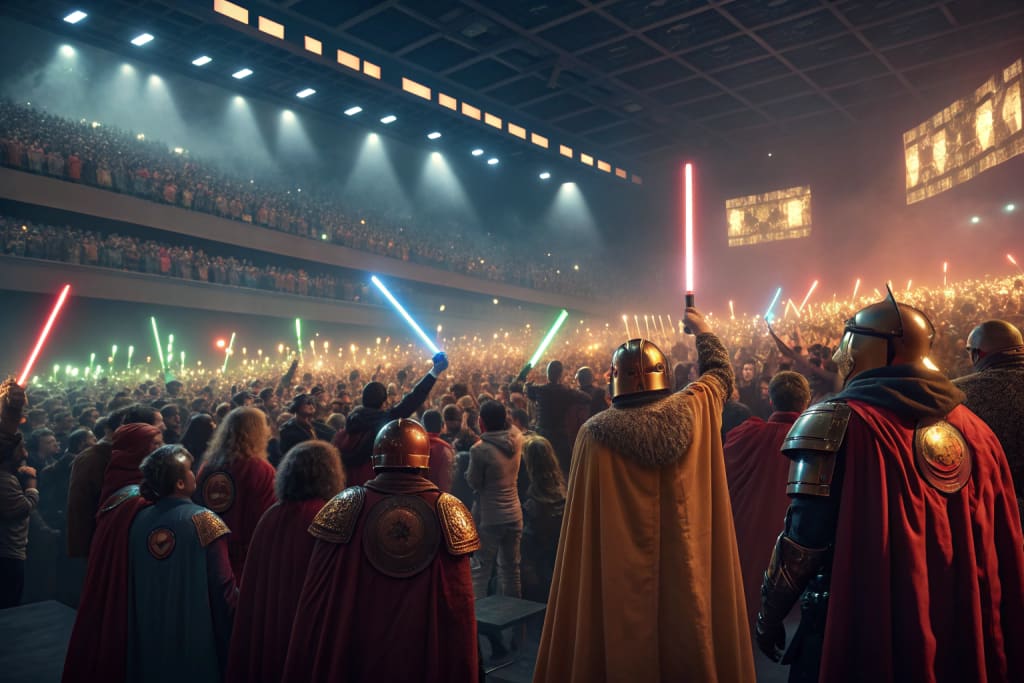
Fandoms have existed as long as stories. From campfire legends to serialized fiction in the 19th century, humans have never failed to become immersed in pretend worlds. Today, fandoms include all forms of media: books, films, television shows, computer games, comic books, and even virtual reality worlds. They are far more than being fond of them—they shape identity, build community, and fuel imagination.
The appeal of fictional worlds lies in their ability to transport. They give us experiences that are emotionally resonant, intellectually demanding, or socially bonding. Harry Potter fans convene at conventions to bask in shared enthusiasm; gamers collaborate across the globe to fulfill objectives in virtual realms; anime fans create rich fan art and fanfiction, extending the life of beloved characters. The energy of fandom reflects universal underpinnings of human psychology, social necessity, and cultural expression.
This article explores the psychology of fandoms, from why people become emotionally invested, how fandom communities function, and how they affect personal identity and culture, and the benefits and risks of high levels of fandom participation.
Why People Get Attached to Worlds of Fiction
Several mechanisms of psychology can explain why people get emotionally attached to worlds of fiction.
Escapism
One of the most common causes of fandom is escapism. Fantasy worlds allow people to briefly escape the tensions of everyday existence, whether tension, work, or social stress. Escapism provides emotional relief, mental stimulation, and sometimes a feeling of safety. Being lost in a tale can be a mental "reboot," allowing people to deal with issues in real life in an indirect manner.
Media psychologist Dr. Lisa Nakamura continues:
"Immersive exposure to a fictional world allows people to experience and think about emotions and situations that they might never experience in real life. This can be intellectually challenging and emotionally cleansing."
The immersive quality of fandom can be therapeutic. Dystopian or heroic fans, for example, tend to reflect on morality, justice, and strength, taking lessons and analogies to life.
Identification with Characters
People identify with the characters, seeing bits of themselves in their problems, successes, or characters. Identification breeds empathetic attachment. The audience can identify with the character's growth, moral struggle, or predicament and, through reflection, see themselves.
For instance, Frodo Baggins' resolve in The Lord of the Rings resonates with one who is struggling with internal problems, whereas Buffy Summers' compartmentalization of duty and personal life in Buffy the Vampire Slayer mirrors the mundane realities of work, home, and self-demand. Identification of this nature can affirm personal values, inspire behavior, and even map aspirational notions of self.
Emotional Resonance
Fiction can move us: happiness, sorrow, fear, hope, awe, and even grief. Shared emotional response creates a desire to return again and again to a world of fiction and fosters participation in larger groups of fans. Emotional experiences have the potential to be life-changing, influencing personal attitudes and social behavior.
For example, fans of Studio Ghibli films often describe the stories as life-affirming, which in turn shapes their own appreciation of nature, community, and human relationships. These emotional investments are not simply entertainment—they shape how viewers interact with the world and other people.
The Social Nature of Fandom
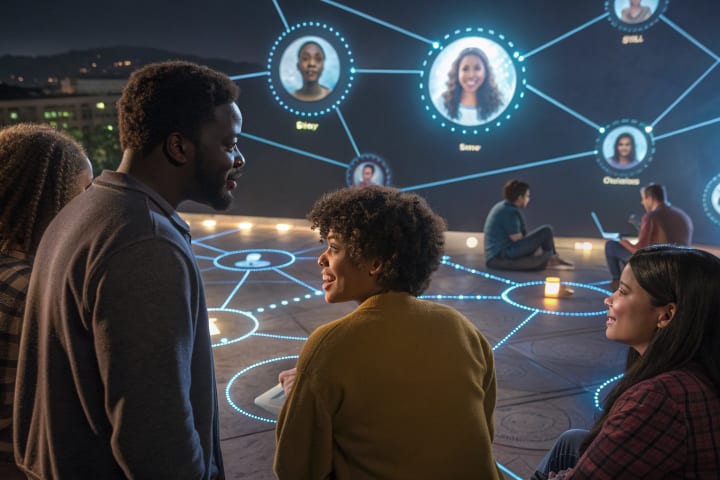
Fandoms are social by design. Humans congregate based on shared passion, providing connection, collaboration, and a sense of belonging.
Online Communities
Fandom has been changed by the digital age. Platforms like Reddit, Discord, Tumblr, and specialized forums enable fans to share theories on the plot, share artwork, and support each other. Online fan communities will act like mini-societies with their norms, hierarchies, and specific vocabulary. Membership in them contributes to identity formation and validates one's belongingness.
In others, fandom communities provide emotional support to outsiders. LGBTQ+ fans, for example, come to find support and identity in fandoms, where they can try out identity in a secure environment.
Conventions and Meetups
Fan conventions—the giant San Diego Comic-Con through smaller specialized meetups—bring fans together in person, creating social moments that enhance social bonds. Cosplay, panels, and meetups provide opportunities to collaborate, mentor each other, and celebrate fandom.
Conventions like Anime Expo or Dragon Con are a classic example of how fandom can create immersive, real-life experiences that extend the relationship with the fictional worlds, making the fandom more of a lifestyle than a passive pastime.
Creative Contributions
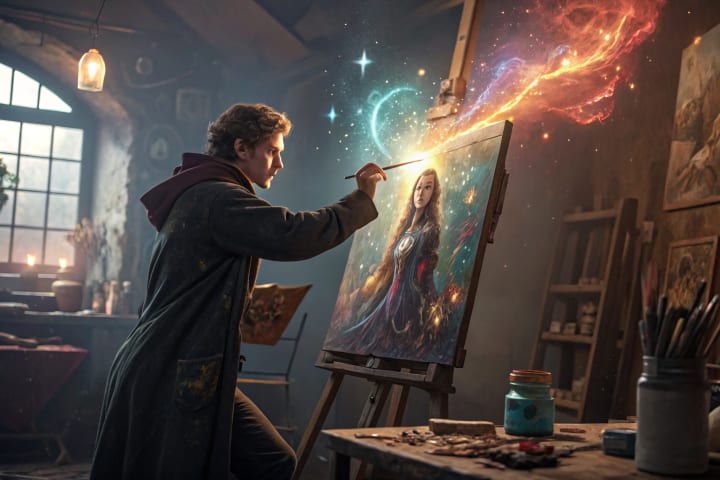
Participatory culture is at the core of fandoms. Fan fiction, fan art, cosplay, and mods allow fans to be an active part of contributing and augmenting narratives. By creating content, the fans become stakeholders in the fictional world, exploring "what if" possibilities and reimagining characters.
Fan creativity also contributes to personal growth and skill development. Writing in fanfiction encourages literacy and narrative understanding; creation of digital art or cosplaying encourages design, craftsmanship, and problem-solving skills. Fans participate as co-creators, enriching the cultural life of the community and affirming attachment to the source.
Fandom and Personal Identity
Group membership has powerful impacts on personal identity and social belonging.
Sense of Belonging
Social solidarity is the result of shared passion. The audience knows where their passion is shared, recognized, and validated. Fan groups provide support for most, enabling them to bridge over social restriction, isolation, or exclusion.
Impact on Values and Worldview
Worlds of fiction can introduce ethical conundrums, philosophical debates, and other social structures. These models may be adopted or considered in everyday life by fans. Stories of dystopia can raise questions regarding government, morality, and justice, while stories of heroism and sacrifice can motivate altruism.
Role in Personal Growth
Involvement in fandom promotes empathy, creativity, and critical thinking. Discussion of complex plotlines, character interpretation, and creation of derivative content promotes perspective-taking and creative problem-solving. These skills have applicability in social, professional, and personal contexts, showcasing the value of development in fandom participation.
Fandom's Cultural Influence
Fandom influences culture, media, and society as a whole.
Shaping Media Trends
Fan action determines production decisions, direction of plots, and franchise extension. Fan campaigns and online activism via social media can convince studios to revive characters, extend series, or produce spin-offs. For example, fan campaigns had a large influence on Supernatural and Star Wars productions.
Fan Labor and Economy
Fans deliver work in the form of content creation, promotion, and engagement. Such work makes digital economies possible: YouTube criticisms, Patreon-funded creators, cosplay businesses, and fan art markets. Fandoms thus yield economic as well as cultural power.
Powering Social Movements
Fandom activity can be extended outside the media to activism in the real world. The Harry Potter Alliance mobilizes fans to participate in literacy campaigns, human rights causes, and disaster response. These campaigns demonstrate that emotionally investing oneself in fictional worlds has tangible impacts on society.
Positive and Negative Impacts of Fandom
While fandoms have numerous positive influences, over-or-obsessive behavior has its negative side.
Positive Contributions
• Emotional solidarity and feeling of belonging
• Development of creative talent (writing, art, digital media)
• Intellectual stimulation and critical thinking
• Cross-cultural understanding and international cooperation
Negative Effects
• Obsessive or repetitive behavior creating social isolation
• Toxicity within fan cultures, e.g., harassment
• Excessive time or money investment
• Difficulty distinguishing fantasy and reality, particularly among young fans
Psychologists emphasize balance. Healthy fandom participation enlivens life without displacing duties or social relationships.
Case Studies of Iconic Fandoms
A review of specific fandoms illustrates the different psychological and cultural dynamics at play:
• Harry Potter: Fans cosplay, create fanfiction, con, and campaign. The show's strong moral framework and dense world enable identity formation, moral reasoning, and intergenerational community.
• Marvel Cinematic Universe: Offers cross-franchise storylines across movies and television shows. People argue, create theory videos, and influence studio choices, reflecting participatory culture and media power.
• Anime and Manga Fandoms: Fans all over the world create complex fan art, AMVs (animated musical videos), and translations which promote global collaboration and cross-cultural exchange.
• Video Game Fandoms: Series like The Legend of Zelda or Final Fantasy encourage creative mods, fanfiction, and web-based guilds. Game fandom is focused on problem-solving, cooperation, and exploration of narrative.
The Future of Fandom
Digital interconnectivity, immersive technologies, and artificial intelligence are reshaping fandom:
• Virtual and Augmented Reality: Fans get to live within fictional worlds, building immersive experiences that build emotional attachment.
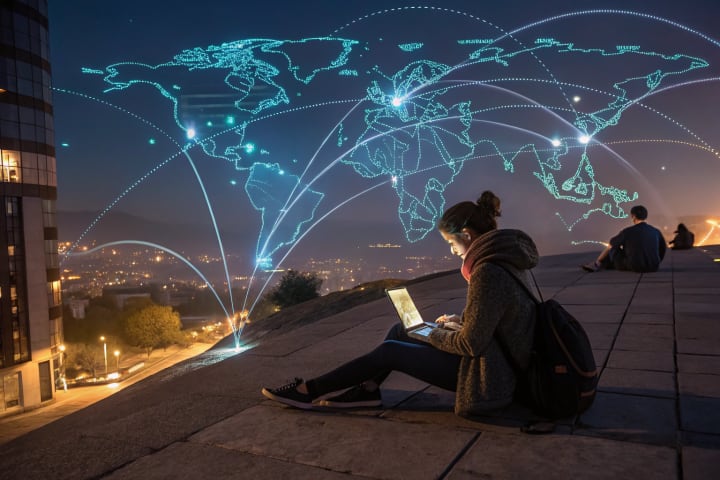
• Global Communities: Internet platforms enable cross-cultural co-creation and experience across geographically distributed fans.
• Interactive Storytelling: Video games and "choose-your-own-adventure" websites enable fans to influence storylines themselves.
• AI and Personalized Media: Artificial intelligence offers new ways of experiencing content, such as chatbots recreating favorite characters and AI-assisted creations.
Fandoms are evolving from passive reception to active, participatory cultures that enhance creativity, community, and cultural power.
Conclusion: Fandom as a Mirror of Human Experience
Fandoms satisfy fundamental human needs: connection, creativity, emotional expression, and meaning. They provide sites where identity is confirmed, empathy is practiced, and imagination flourishes.
Entering into imaginary worlds allows individuals to explore personal values, develop skills, and sense belonging. Fans do not simply consume; they contribute to the construction of culture, extend narratives, and transpose passion into social and creative capital.
Fandoms are not shallow activities; they are profound expressions of human imagination, sociality, and curiosity. Fandoms assure us that our emotional involvement in stories—novels, games, films, or television programs—is fundamentally human. Fandom teaches us how to collaborate, empathize with each other, and express ourselves in ways that enrich individual and cultural existence.
In increasingly technologically mediated lives, fandoms attest to the enduring power of story. They show that even in worlds that are purely imaginative, their impact on the real world can be real, acting to form identity, society, and human connection. Virtual worlds and the communities around them continue to augment human life, fostering creativity, empathy, and relationship in profound ways.
About the Creator
The Chaos Cabinet
A collection of fragments—stories, essays, and ideas stitched together like constellations. A little of everything, for the curious mind.
Keep reading
More stories from The Chaos Cabinet and writers in Humans and other communities.
Digital Identity: How Social Media Shapes Who We Think We Are
In the contemporary hyperconnected age, the line between who we are offline and who we are online is increasingly blurry. The same person can be present in multiple digital spaces, each with their own rules, audience, and expectations. On Instagram, for example, one might have a carefully styled feed showcasing travel, achievement, and social success. On Twitter, they may post witty observations or political opinions. On LinkedIn, they market professional successes, expertise, and ambition. Each site demands a slightly different version of self—a virtual self intended to engage, impress, or influence.
By The Chaos Cabinet5 months ago in Humans
Co-Living Impacts Dating Dynamics Communication And Emotional Connection Significantly
Dating is greatly affected by co-living, in which couples or partners live together in one house. It brings about quick intimacy and interaction in real life and one gets a chance to learn about routines, habits, and preferences. Shared space brings intimacy as well as it reveals the possible difference of lifestyle including cleaning, schedules, and personal boundaries.
By Mark Hipster7 days ago in Humans


Comments
There are no comments for this story
Be the first to respond and start the conversation.