
The Price of Perfection: How Social Media Distorts Reality
Unpacking the Illusion of Flawless Lives and Its Impact on Mental Health, Identity, and Society
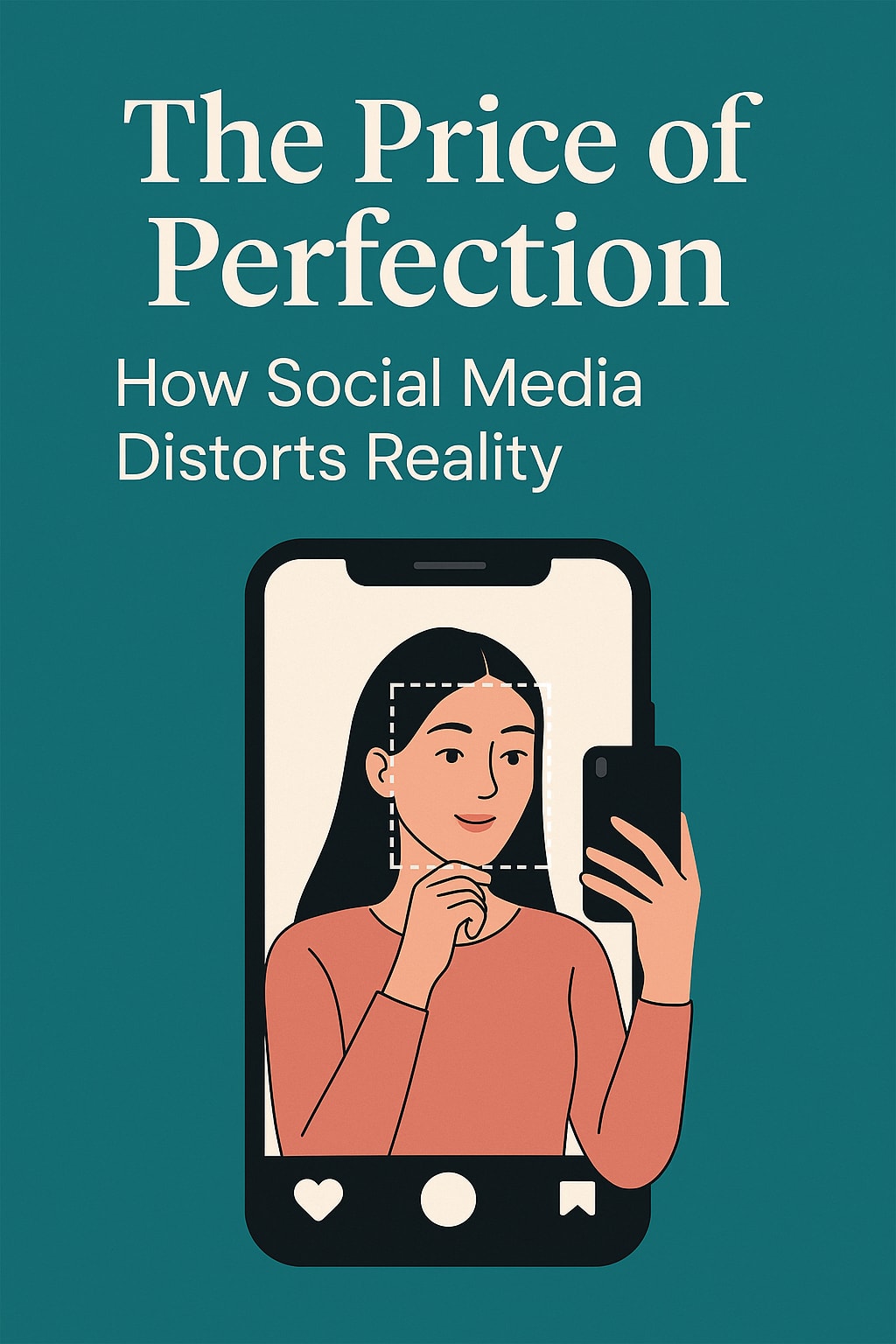
In the age of connectivity, social media platforms like Instagram, TikTok, and Snapchat have revolutionized the way we communicate, express ourselves, and perceive the world. While these platforms offer creative freedom and the ability to connect globally, they also foster an environment where perfection is not just admired—it’s expected. Behind the glowing filters, meticulously curated posts, and viral trends lies a dangerous distortion of reality that affects millions, especially the younger generation.
This article explores how social media warps our understanding of perfection, the psychological cost it imposes, and how we can reclaim authenticity in a world obsessed with appearances.
The Rise of the Curated Self
Social media, by its very design, promotes the best versions of ourselves. What began as a space to share moments has now become a stage for performance. Users, whether influencers or everyday individuals, often present highly edited, filtered, and idealized images of their lives—highlight reels devoid of the struggles, flaws, and imperfections that make us human.
From flawless skin and sculpted bodies to luxurious vacations and seemingly perfect relationships, the content we consume rarely shows the full story. The pressure to appear flawless drives people to filter, facetune, and fabricate realities, creating an impossible standard for others to emulate.
But perfection, as social media paints it, is a myth. And chasing that myth comes at a cost.
The Psychological Toll: Anxiety, Depression, and Low Self-Esteem
Numerous studies have linked excessive social media use with increased rates of anxiety, depression, and low self-esteem. The constant comparison to others—most of whom are presenting a carefully controlled narrative—leads to feelings of inadequacy.
Teenagers and young adults are especially vulnerable. Growing up in a digital environment where likes, comments, and followers equate to validation, many tie their self-worth to online approval. When their own lives don’t match the glamor and joy they see on their screens, it can lead to a deep sense of failure or inferiority.
Moreover, the addictive nature of these platforms exacerbates the problem. Algorithms are designed to keep users engaged by showing them more of what they like—or what makes them envious. The result is a toxic loop of consumption and comparison.
Filters and Facades: The Rise of Beauty Dysmorphia
Perhaps one of the most insidious effects of social media perfectionism is the growing issue of beauty dysmorphia. Apps like Instagram and Snapchat offer filters that dramatically alter facial features—smoothing skin, slimming noses, enlarging eyes, and more. What was once a fun novelty has now become a benchmark for beauty.
Young people increasingly seek cosmetic procedures to look more like their filtered selves. Dubbed “Snapchat Dysmorphia,” this trend reflects a disturbing shift in self-image, where digital perfection becomes more desirable than reality. What’s worse, it promotes the belief that natural features are flaws to be fixed.
This obsession with aesthetics reduces people to appearances, eroding self-acceptance and fueling a culture of constant self-criticism.
The Perfect Life Lie: Relationships, Success, and Happiness
It’s not just appearance that social media distorts—it’s entire lives. Posts showcasing perfect relationships, dream jobs, fitness milestones, and endless success paint a picture of people who “have it all together.” But real life is messy, and nobody’s journey is without struggle or failure.
Social media rarely captures breakdowns, rejections, or moments of doubt. This selective portrayal creates unrealistic expectations for what life should look like. As a result, many people feel like they’re falling behind or doing something wrong simply because their lives don’t match the glamorous stories filling their feeds.
Even those who seem to “have it all” are often battling their own insecurities behind the scenes. Influencers admit to feeling pressure to maintain a flawless image, which in turn traps them in cycles of performance and burnout.
Influencer Culture and the Illusion of Authenticity
Influencer culture has turned lifestyles into brands and personalities into products. While many influencers claim to promote “authenticity,” even their vulnerability is often part of a strategy to gain engagement. Sharing a “no-makeup selfie” or a moment of struggle can still be staged or edited for effect.
Authenticity, when commodified, loses its essence. It becomes another form of perfection—a curated imperfection that feels relatable but is still calculated. The danger lies in the illusion: we believe we’re seeing the truth, when in reality, we’re still consuming content designed to influence.
Breaking the Illusion: Reclaiming Reality
So how can we protect ourselves from the trap of social media perfection?
Curate Your Feed Wisely: Follow accounts that promote body positivity, mental health awareness, and genuine content. Unfollow those that make you feel inadequate or anxious.
Limit Screen Time: Take breaks from scrolling. Set boundaries for your digital consumption and engage more with the physical world around you.
Practice Digital Skepticism: Remind yourself that what you see online is often a highlight reel. Behind every perfect post is a person with real struggles.
Share Authentically: If you post, do so with intention. Celebrate real moments, not just the polished ones. Your vulnerability can create space for others to be real too.
Talk About It: Have open conversations with friends and family about the effects of social media. Normalizing these discussions can reduce shame and promote mental health.
Conclusion: The Cost of Chasing Perfection
The quest for perfection on social media is a battle no one wins. It distorts reality, damages self-esteem, and builds a society that values image over substance. But by recognizing the illusion, we can begin to resist it. We can build a culture that values authenticity, embraces flaws, and honors the full range of human experience.
Perfection may be what gets the most likes, but it’s imperfection that connects us. And in a world of filtered realities, choosing to be real is the most radical thing we can do.
About the Creator
Idea hive
Article writer and enthusiast sharing insight and knowledge on nature, human behavior, technology, health and wellness, business, culture and society and personal development.
Autonomy Is The Real Privilege
Good morning, freedom-seekers! Today we’re gonna be looking at autonomy. A strange word, I know; one many would probably look at blankly and run away from on sight. We’re gonna figure out what it actually means, consider how it’s achieved, and decipher just how deeply most of us are tangled up in dependence without realising it.
By That ‘Freedom’ Guyabout 7 hours ago in Humans
The Longest Night: The Construction Worker, The Ledge, and the Nine-Hour Vigil
The true story of Michael O'Rourke, a construction worker who spent nine hours on a Brooklyn rooftop talking a suicidal woman down from a ledge, proving the power of simple human presence.
By Frank Massey a day ago in Humans
Ludacris and Nelly draw backlash over bookings at MAGA-coded music festival
Ludacris and Nelly headlining a mostly right-wing event is good for them. It’s also great for the genre of hip hop. The two rap veterans have showcased their talents on other stages. Why can’t they perform for mostly MAGA folks and grab that bag?
By Skyler Saunders6 days ago in Beat




Comments
There are no comments for this story
Be the first to respond and start the conversation.