
“The Price of Honor: When Humanity Is Lost in the Name of Tradition”
A tragic story of love, pride, and the cruel weight of family honor — where compassion fades and innocence pays the price.

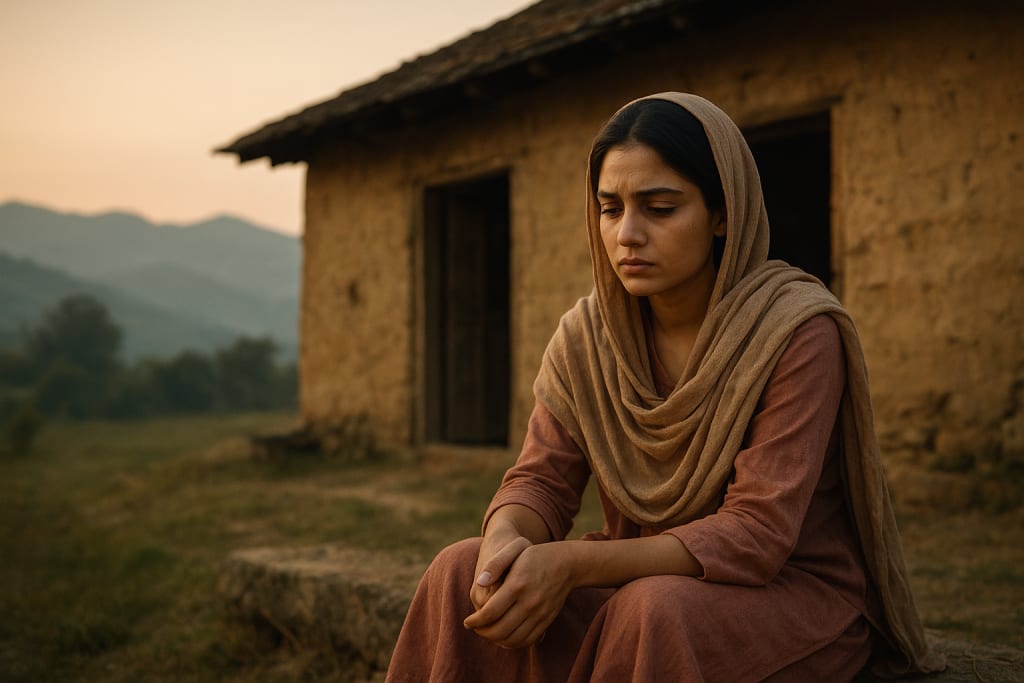
Sahl was a simple man from a humble family — honest, quiet, and deeply human. His life was shaped by tradition, loyalty, and a constant struggle between right and wrong. In his world, morality was often measured not by goodness but by pride, revenge, and control.
His family, though simple, was caught in ignorance. They didn’t speak of dreams or think beyond their narrow world. Their passions revolved around animals, property, and power — dogs, pigeons, chickens — anything that could be owned or fought over. But humanity? That was lost long ago.
It began when Sahl’s sister, Sadaf, left home with a villager named Shahzad. Ten days later, Sahl’s elder brothers caught two young men from a nearby village, suspecting them of helping Sadaf. Fearing death, they surrendered to the police. But the shame had already ignited a storm.
In the jirga, the tribal elders demanded justice — not through forgiveness, but through punishment and payment. Shahzad’s father, a schoolteacher, was forced to pay a heavy fine: ten lakh rupees and a girl from his family as “sorah,” a peace offering. The decision was cruel, but in that culture, it was final.
When Sahl learned that the girl was meant for him, he refused. “You call this justice?” he said. “Why should the innocent suffer for the mistakes of others?” His voice trembled with courage, but his family’s hearts were stone.
Sahl’s resistance was silenced. To maintain family honor, he was forced into marriage with Sara, Shahzad’s innocent younger sister — a 16-year-old girl with pure heart and noble character. Despite the bitterness of how they were brought together, Sara’s kindness soon softened Sahl’s heart.
Even his elder brother began to see Sara’s goodness. But not everyone did. Sahl’s mother despised her, blaming her for Sadaf’s shame. Sara’s patience was tested every day. She served her mother-in-law with love, even when she was insulted, even when her tears fell silently into her food.
Meanwhile, Sadaf — who had been cast out — suffered in silence. Her husband, Shahzad, grew cruel and distant. The same people who once blamed Sahl’s family now turned their backs on her too. Her beauty faded, her joy disappeared, and her life became a long cry of regret.
Sara’s goodness, however, only deepened Sadaf’s pain. She envied the love that Sara received from Sahl, the respect she earned through her patience. Jealousy burned her heart, and bitterness filled her soul.
One day, anger exploded. A fight broke out in Shahzad’s home. Sadaf, standing at the top of the stairs, was pushed. She fell — not just from the stairs, but from every illusion she had about life, love, and honor. Shahzad divorced her and threw her out. Alone, rejected by her family, she turned to prayer and writing.
She wrote, “If my tears could speak, the world would know that I was not wicked — just broken.”
Meanwhile, back in Sahl’s home, peace was fragile. His mother demanded that Sahl divorce Sara, claiming the girl had cursed the family. The house filled with tension. The brothers stayed silent. Only Sahl stood firm.
He said, “Mother, I am human. I can think. Your daughter made a mistake and was punished. But Sara is innocent. Why must she suffer for someone else’s sin?”
His words pierced the silence, but no one moved. In that moment, Sahl realized that humanity had long been buried under pride and tradition.
He took Sara’s hand and said softly,
“Come. Let’s leave this house. We may be poor, but at least we will live as humans — not prisoners of hate.”
And as they walked out, Sahl whispered,
“Honor built on cruelty is no honor at all.”
About the Creator
Keep reading
More stories from shahkar jalal and writers in Humans and other communities.
“Long Live the Dead: The Cry That No One Heard”
Sadro lay on her bed, trembling and weak, her eyes red with tears. “Oh my God,” she whispered, “where is that man who can take me to the doctor? He’s been wandering all day without worry that his wife lies sick in bed. At least bring me some water,” she called to her daughter.
By shahkar jalal3 months ago in Humans
Minnesota and Illinois Invoke the 10th Amendment in Lawsuits to Block Federal Agents in Their Cities — Here’s Why That Matters
States Push Back Against Federal Enforcement Minnesota and Illinois have launched high-profile lawsuits invoking the 10th Amendment of the US Constitution in an effort to block or limit the actions of federal agents—particularly immigration enforcement officers—operating within their cities. The legal challenges mark a significant escalation in the long-running conflict between state governments and Washington over who has the authority to enforce immigration laws and how far federal power can reach.
By Aarif Lashari4 days ago in Humans
How to Succeed at the Benson Directory®
Congratulations and welcome to the Benson Directory® employee #22391! As our newest call handler, you will have the privilege of speaking with dozens of unique and interesting people on a daily basis as well as the opportunity to earn bonuses for high performance. Contained within this handbook you will find a set of ease to follow instructions designed to help you settle in to your new role and begin paving the way to success.
By S. A. Crawford2 days ago in Fiction



Comments
There are no comments for this story
Be the first to respond and start the conversation.