
The Power of Sleep: Unlocking Your Body’s Natural Rhythm
Discover How Understanding Your Sleep Cycle Can Boost Health, Focus, and Well-being
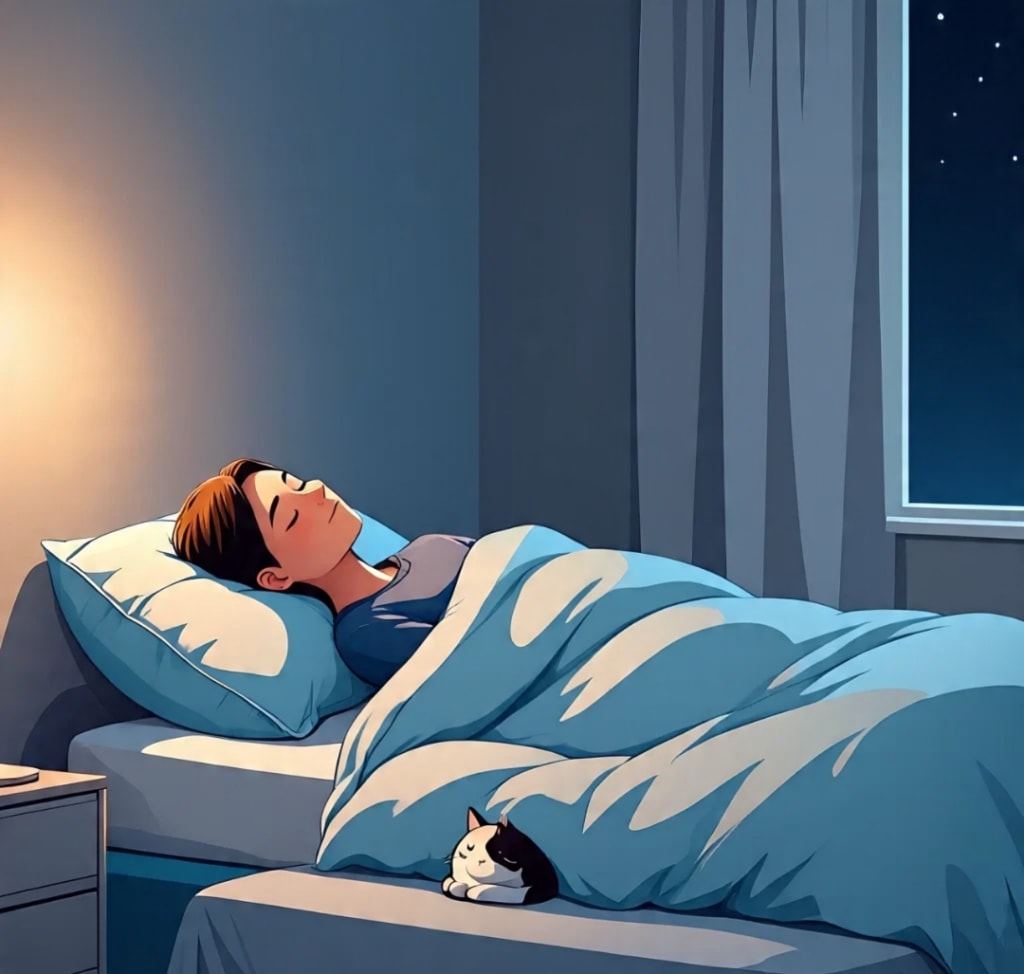
Every night, the world dims. City lights twinkle like stars, homes glow softly, and the hustle of life slowly quiets. Behind bedroom doors, something extraordinary happens — a daily miracle that fuels our minds and heals our bodies. It’s sleep.
For 28-year-old Maya, sleep used to be a low priority. She worked in marketing, juggling deadlines, social outings, and late-night Netflix binges. Sleep was an afterthought — something she’d “catch up on” over the weekend. But over time, her energy dipped. She started waking up groggy, even after eight hours in bed. Her mood swung like a pendulum, and she struggled to focus.
That’s when Maya stumbled on an article about the circadian rhythm — the body’s internal clock. It explained why not just how much, but when we sleep matters.
Our bodies are designed to follow a natural 24-hour cycle tied to light and darkness. The circadian rhythm signals our brain when to feel alert and when to feel sleepy. When we stay up too late under artificial light or constantly change our sleep schedule, we confuse this rhythm. It’s like trying to drive a car with the GPS turned off.
Maya decided to make a change. She began going to bed at the same time every night — 10:30 PM — and waking at 6:30 AM, even on weekends. At first, it was tough. Her mind itched for late-night scrolling. But after two weeks, something shifted. She started waking up before her alarm, feeling refreshed. Her thoughts became clearer. She had energy to spare — even for morning walks.
What Maya experienced was her body syncing back with its natural rhythm. Sleep isn't just rest — it's active repair. During deep sleep, our brain clears out toxins, muscles rebuild, and memories are solidified. In REM (rapid eye movement) sleep, we dream — but it’s also when creativity and emotional healing take place.
Studies show that people who sleep 7–9 hours consistently:
Make better decisions
Have stronger immune systems
Experience fewer mood swings
Reduce risk of heart disease, obesity, and depression
And perhaps most importantly — they feel better.
One fascinating discovery about sleep is the role of melatonin, the “sleep hormone.” As night falls and darkness increases, melatonin levels rise, telling the body it’s time to sleep. Bright lights, especially blue light from screens, can delay this signal. That’s why experts recommend reducing screen time an hour before bed and using warm lighting in the evening.
Maya created a calming bedtime routine: herbal tea, a book, dimmed lights, and gentle stretches. Her phone stayed outside the bedroom. She treated sleep not as an interruption to life, but as a gift — a form of self-care.
It changed everything.
Her co-workers noticed her sharper focus. Her skin cleared up. Her creativity bloomed. Even her weekend hikes felt easier. She began to understand what researchers and doctors have emphasized for years — sleep is not a luxury. It’s a foundation.
Of course, not everyone can follow a perfect schedule. Shift workers, parents, and students often face real challenges. But even small changes — like keeping a consistent bedtime, reducing caffeine after 2 PM, and making the bedroom cool and dark — can dramatically improve sleep quality.
As Maya shared her story with friends, something unexpected happened. They started improving their sleep too. One friend replaced their bedroom bulbs with warmer lighting. Another started meditating before bed. A third began tracking sleep with a smart watch. Little by little, they all began waking up more energized — not because of magic, but because they respected what their bodies had been asking for all along.
Today, Maya treats sleep like brushing her teeth — a non-negotiable habit. She no longer feels like she’s racing through life half-awake. Instead, she feels present. Her mind is clearer. Her mood, lighter. Her days, brighter.
And it all started with going to bed on time.
---
Want Better Sleep? Try These Tips Tonight:
✔ Go to bed and wake up at the same time every day
✔ Dim lights 1–2 hours before bedtime
✔ Avoid caffeine in the afternoon
✔ Keep your room cool, quiet, and dark
✔ Power down devices 30–60 minutes before sleep
✔ Try calming habits like reading, stretching, or journaling
---
Sleep isn’t wasted time — it’s healing time. The more we honor our natural rhythm, the more life opens up with clarity, calm, and joy.
So tonight, let your body rest. Let your mind dream. Let sleep do its quiet, powerful work.
About the Creator
Keep reading
More stories from Muhammad Saad and writers in Humans and other communities.
"Mindful Midday: How Lunch Shapes Our Mood and Mind"
At exactly 12:07 p.m., the rumble started. Alex glanced at the clock in the corner of her laptop screen and sighed. She had been deep in a spreadsheet when the familiar pang of hunger crept up. It wasn’t just about needing food—it felt like her brain had begun to slow, like someone had taken the edge off her mental sharpness. Her eyes wandered to her desk drawer where a granola bar waited patiently, but she resisted. Today, she was trying something different. For the past few months, lunch had become more of a reflex than a ritual—usually whatever was closest and quickest. A soggy sandwich, a drive-thru burger, or worse, just coffee and a cookie. She’d noticed the pattern: the 2 p.m. crash, the grumpy responses to emails, the way her mind wandered in meetings. And so, inspired by a podcast on mindful eating, she’d decided to treat lunch like a meeting with her mind. She stood, stretched, and walked to the kitchen. --- In the world of psychology, meals—especially midday ones—carry more weight than we often realize. A growing body of research shows that what we eat at lunch can influence not just energy levels, but focus, emotional stability, and even the way we process information. “There’s a feedback loop between food and mood,” explains Dr. Serena Malloy, a behavioral nutritionist. “When we skip meals or eat high-sugar, low-nutrient foods, our blood sugar spikes and crashes, which affects neurotransmitters like serotonin and dopamine. Those swings can mimic stress and anxiety. Over time, this can really mess with mental clarity and emotional balance.” But the science goes deeper than just carbs and calories. Our cravings, especially at noon, are often emotional. Stressful meetings in the morning? You might want something salty or crunchy—your brain’s way of seeking control or stimulation. Feeling low or lonely? The brain craves fat and sugar, comfort foods that simulate emotional warmth. And yet, food can also be a tool—one that, if used mindfully, can regulate mood, sharpen focus, and even enhance creativity. --- Alex chopped a few vegetables: bell peppers, cherry tomatoes, and cucumber. She added some leftover quinoa and tossed everything with a bit of olive oil and lemon juice. A hard-boiled egg, a few cubes of feta. She sat at the kitchen table, away from her screens, and ate slowly. For once, she wasn’t scrolling. She was tasting. She realized something strange: she felt calmer. More centered. The racing thoughts that had buzzed in her head all morning had softened. Mindful eating, a concept rooted in both Eastern traditions and modern behavioral science, encourages people to engage all senses while eating—sight, smell, taste, texture. It’s not just about nutrition; it’s about presence. In a 2022 study published in the Journal of Behavioral Health, participants who practiced mindful eating for just two weeks reported a 25% increase in focus and a 32% reduction in afternoon fatigue. Interestingly, those same participants also made better food choices—opting more often for whole grains, lean proteins, and colorful vegetables. --- By 12:45, Alex was back at her desk. But something was different. Her brain felt... clean. Like someone had tidied up the clutter. She opened her afternoon agenda with a surprising sense of clarity. Emails that would usually annoy her seemed manageable. A report she had been dreading felt doable. She even cracked a joke in a Zoom call—something she hadn’t done in weeks. Of course, it wasn’t magic. It was food. But it was also the intention behind it. By pausing, choosing thoughtfully, and giving herself space to eat, Alex had reset the trajectory of her day. --- The truth is, lunch is more than just a break in the workday. It’s a psychological hinge—a point where we can either slump into fatigue or pivot into focus. Our bodies are rhythmic machines, and the post-lunch hours are often when they need the most support. So what should we reach for? “Balance is key,” says Dr. Malloy. “Include protein to sustain energy, fiber to stabilize blood sugar, and healthy fats to support brain function. But also listen. Your cravings might be telling you something. Sometimes the best thing you can feed yourself isn’t just a salad—it’s a moment of attention.” --- By the end of the day, Alex wasn’t exhausted. She wasn’t snacking mindlessly or snapping at Slack messages. She felt… well. Not euphoric, not hyper-productive. Just steady. That night, she slept better too. Lunch had done more than just fill her stomach. It had nourished her mind. --- Mindful Midday isn’t about perfection—it’s about presence. The next time your stomach growls, don’t just reach for convenience. Take a moment. Listen. Choose. Because your mood, your mind, and your afternoon might just depend on it.
By Muhammad Saad 6 months ago in Humans


Comments
There are no comments for this story
Be the first to respond and start the conversation.