
The Ndebele, Zulu, and Himba people of Southern Africa.
A pictorial article.

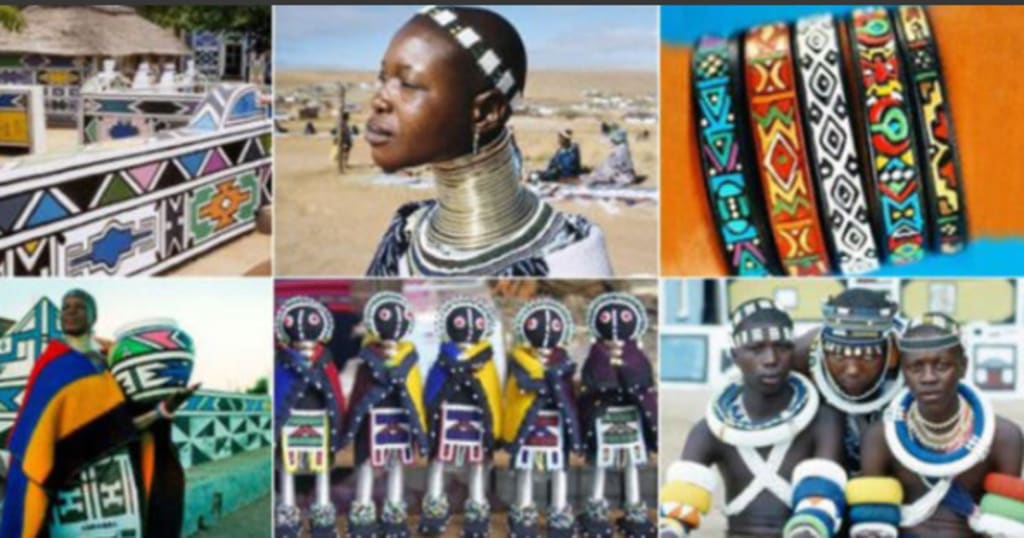
Southern Africa, which is comprised of South Africa, Namibia, Botswana, Lesotho, Eswatini, Zimbabwe, Zambia, Angola, Mozambique, Malawi, and Katanga Province of the Democratic Republic of the Congo, has many different peoples, and cultures. But three of my favorites are the Zulu, of South Africa, the Ndebele of Zimbabwe and South Africa, and the Himba, of Namibia. Actually, I have two other favourite tribes, the Batonka of Matabeleland North, Zimbabwe, and the San, (Bushman) of Southern Africa. But for this article I’m concentrating on the first three.
I was born in Rhodesia, in Matabeleland province, which was the area where the Ndebele tribe lived. I was surrounded by the people, the language, their culture.
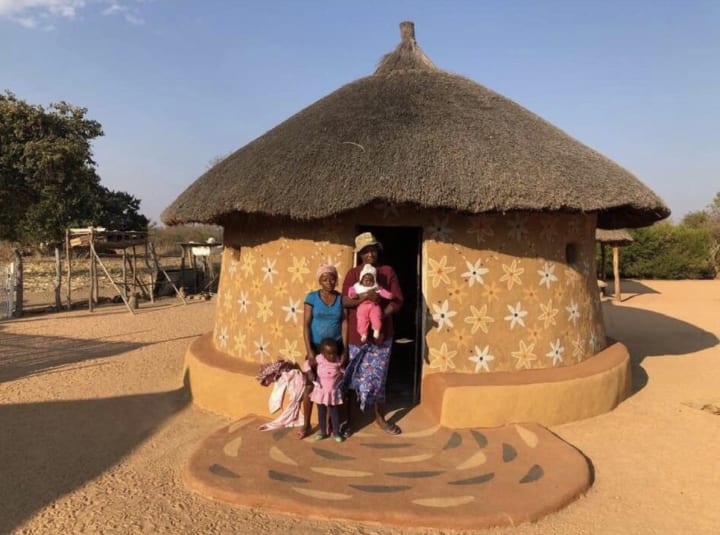
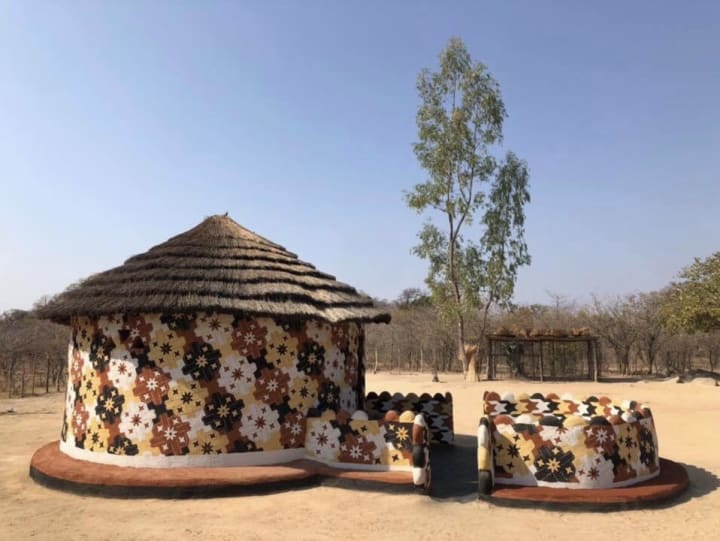
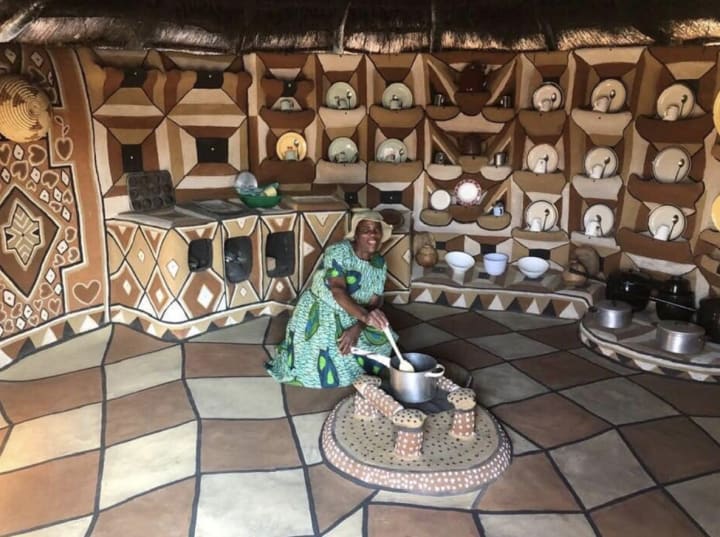
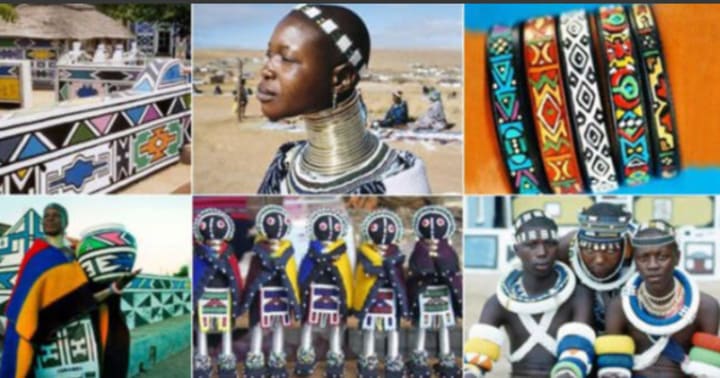
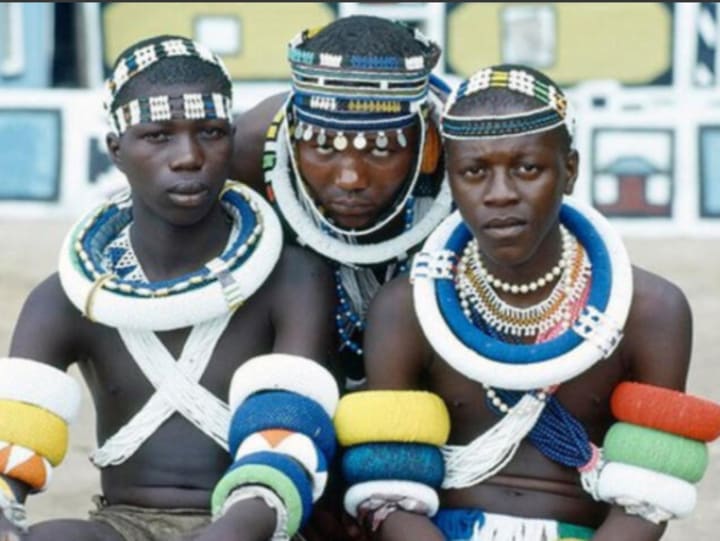
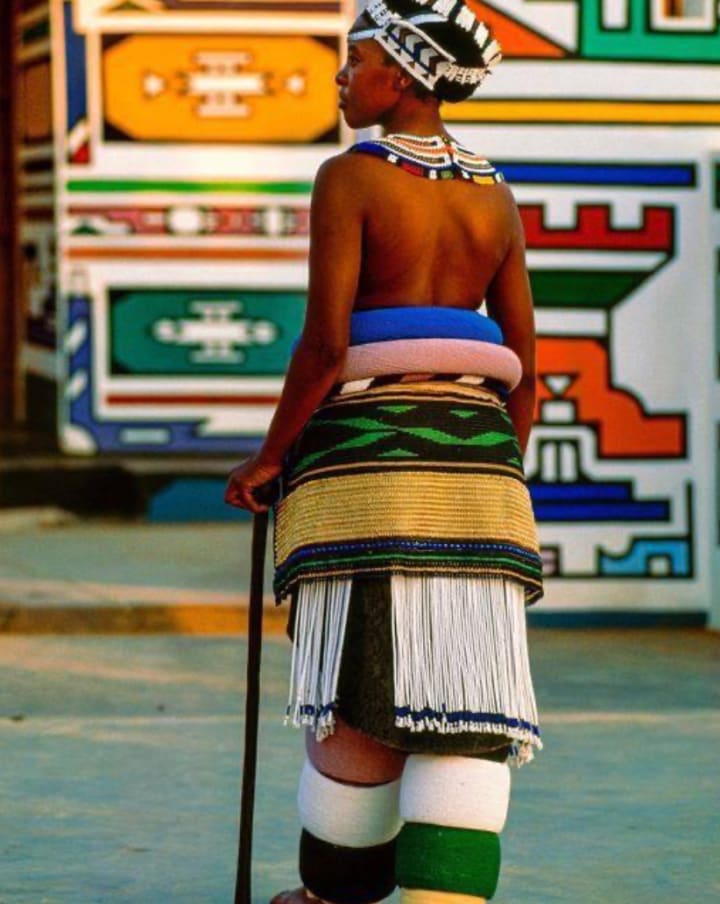
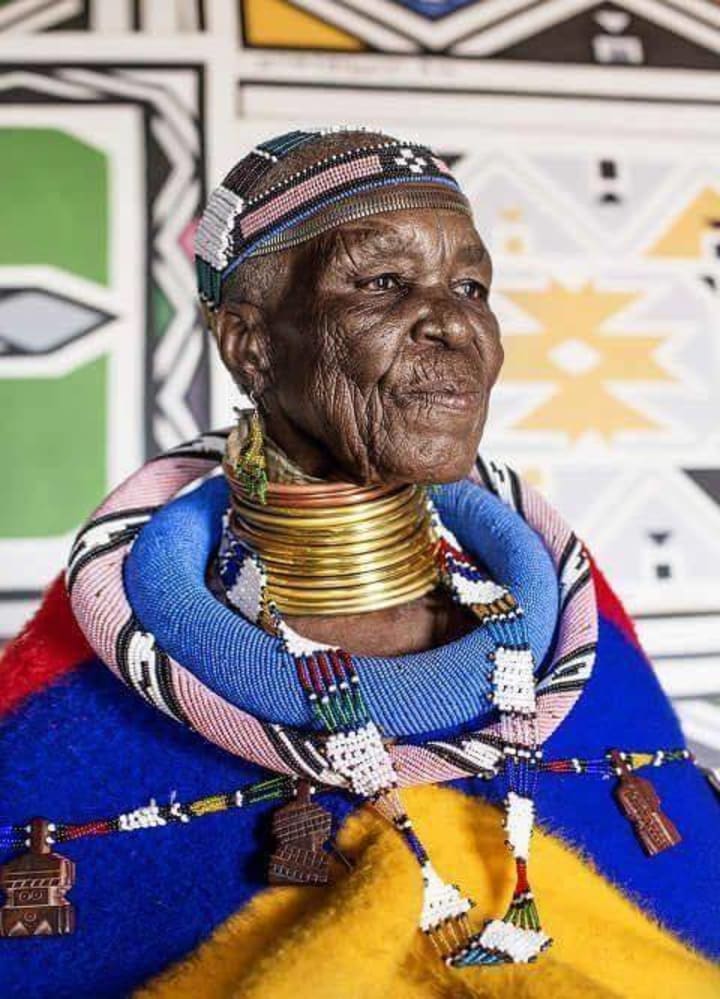
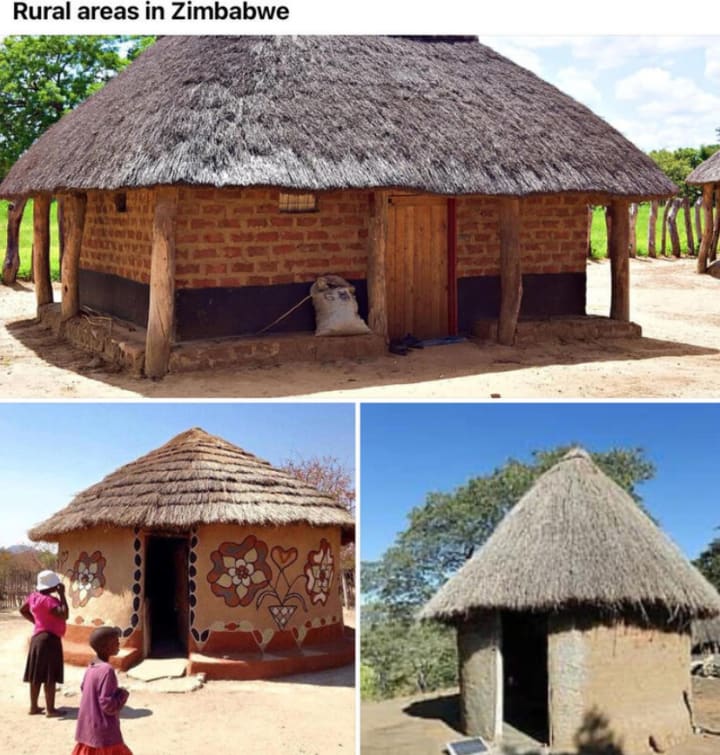
These are just some of the Ndebele painted houses, exterior and interior, that you can find in Zimbabwe, and South Africa, and just some of their traditional clothing, both every day wear and bridal clothing and ceremonial clothing for special events. The Ndebele is an offshoot of the Zulu tribe. They broke away from the Zulu who were too warlike, and can be found in northern South Africa and Zimbabwe.
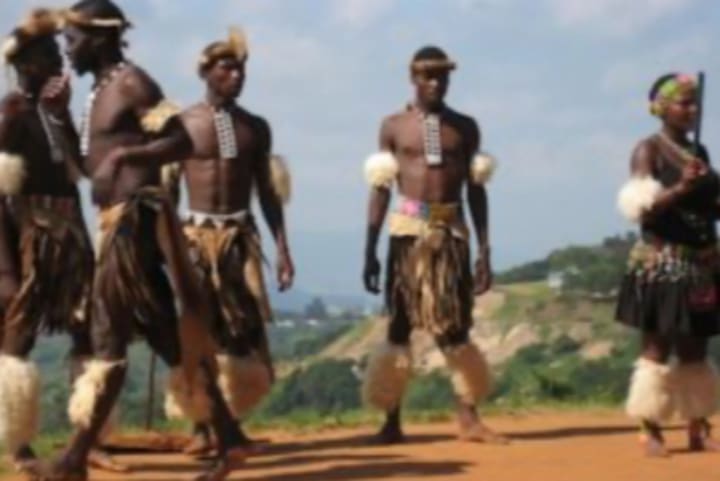
I also lived amongst the Zulu people of South Africa in Natal Province, during the apartheid years in the 1970’s. At that time it was called Zululand. After Nelson Mandela became president of South Africa and abolished apartheid, name changes occured all over South Africa, and Natal became KwaZuluNatal.
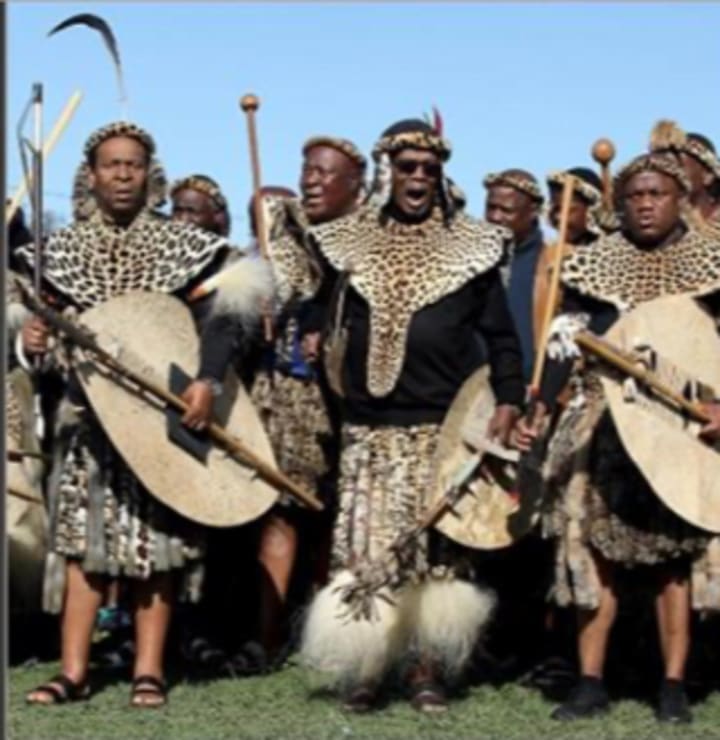
The Zulu we’re very war like, and fought the Boers who came into their territory during the early expansion of the Cape Colony when the Boers broke away and created their ow republic, the Natal Republic. The Zulu also fought the British, who fought the Boers and took over the Natal Republic when they formed the Union of South Africa. The Zulu were very fierce and had a scorched earth policy, destroying everything behind their conquests land so that no-one would follow and attack them. Of course, history has shown that the British prevailed in the Zulu wars.

Namibia’s Himba have long fascinated travellers with their tribal appearance and customs. They can be recognised at best as the ‘red’ people – with their naked upper bodies tinted with a mix of animal fat and ochre powder. One of the last remaining tribes who still practice their traditional way of life, despite modern influences; they are truly remarkable in their ways.
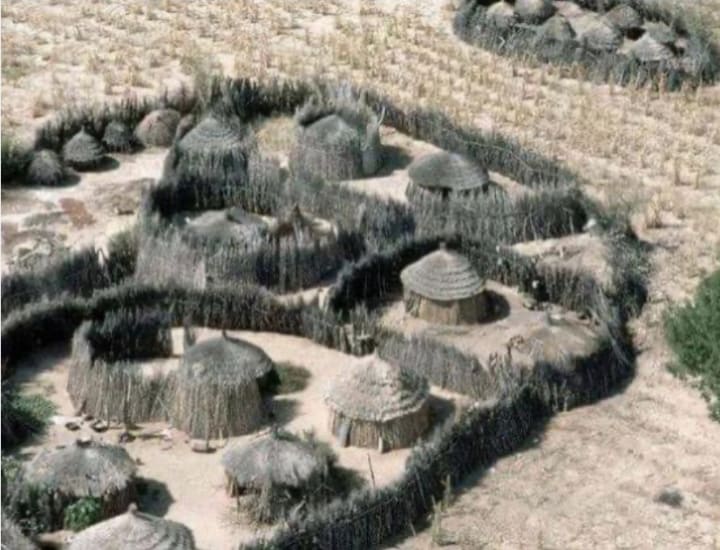
Living as their descendants did, there are few modern influences on their lives and they choose to remain living in small hamlets in the isolated areas of northern Namibia and southern Angola. They practice a semi-nomadic pastoral way of life, and build their village with huts made from a framework of sapling branches and walls plastered with mud and dung. The village has a central ‘kraal’ where cattle and goats are herded for safety overnight. During the day, the young men are tasked with taking the livestock out to forage for food in the surrounding wilderness.
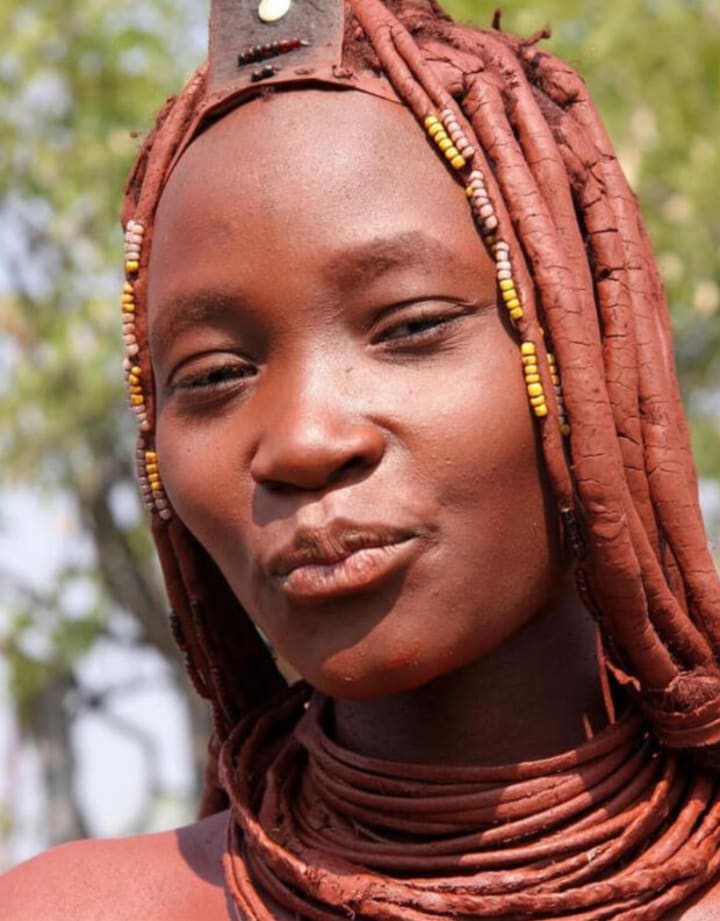
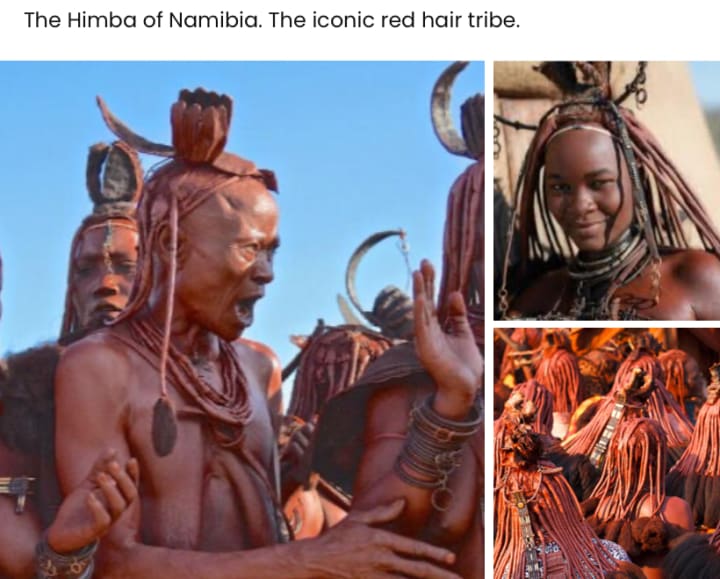
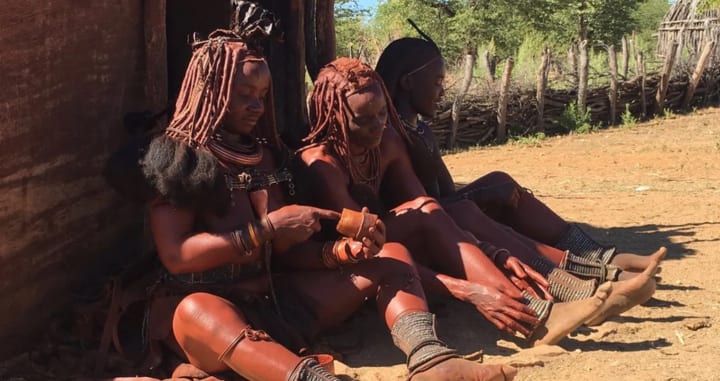
Having survived genocide by German troops in the 1900s, Namibia's Himba people are now facing a bigger threat to their way of life - encroaching modernity.
Little has changed in Omuhoro village for generations - people live off the land and are closed off from the rest of the world.
At day break, it is milking time - one of the daily duties of the village's women.
The days are long but everyone has a role to play.
The older women walk for kilometres to collect firewood and water, while another group focuses on cooking enough food to feed the 30 or so mouths in this village. The boys mainly look after the cattle and goats while the young girls help with taking care of the many children running around - there is a great sense of shared responsibility.But this is changing, as the youth are adventuring out into the city to pursue the modern way of life. The elders fear that their way of life will disappear.
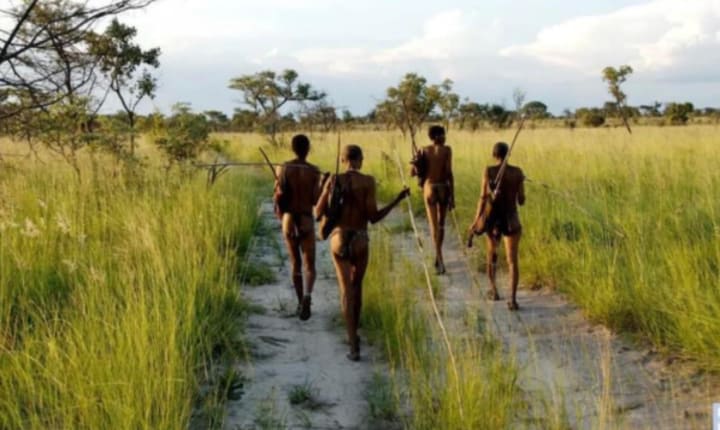
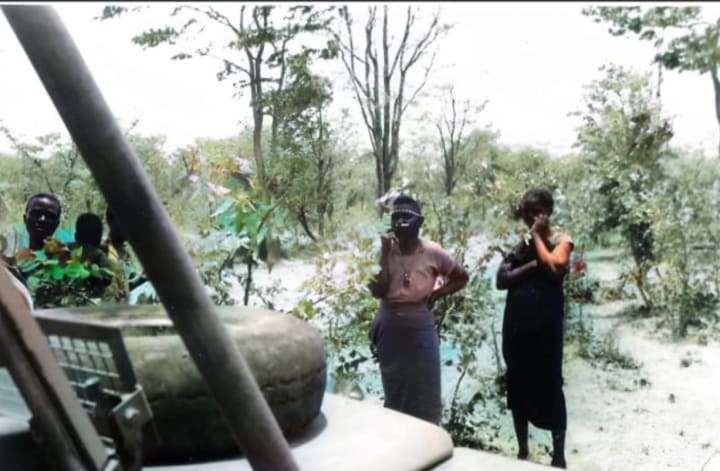
‘I have seen the way of life changed so much with the Batonka people of Matabeleland North, Zimbabwe, when I lived amongst them from 1977 to 1980, and the San Bushman people in Zimbabwe and South Africa. The government has forced them to live in rural villages, and they have become pastoralists,( subsistence farmers, livestock herders), no longer hunter/gatherers.
About the Creator
Guy lynn
born and raised in Southern Rhodesia, a British colony in Southern CentralAfrica.I lived in South Africa during the 1970’s, on the south coast,Natal .Emigrated to the U.S.A. In 1980, specifically The San Francisco Bay Area, California.
Shane Windmeyer of North Carolina: The Strategist Helping Companies Make DEI Real
In conference rooms and virtual board meetings across the country, a familiar tension keeps resurfacing. Leaders want to build workplaces where people feel respected and treated fairly. They also want to avoid the traps of performative messaging, shifting terminology, and short-lived initiatives that never touch the real levers of power. In that space, where intention meets execution, Shane Windmeyer has built a reputation as a steady, practical guide.
By Shane Windmeyerabout 12 hours ago in Humans




Comments
There are no comments for this story
Be the first to respond and start the conversation.