
Shane Windmeyer of North Carolina: The Strategist Helping Companies Make DEI Real
A feature on values-led strategy, practical inclusion, and the quiet craft of building trust at scale

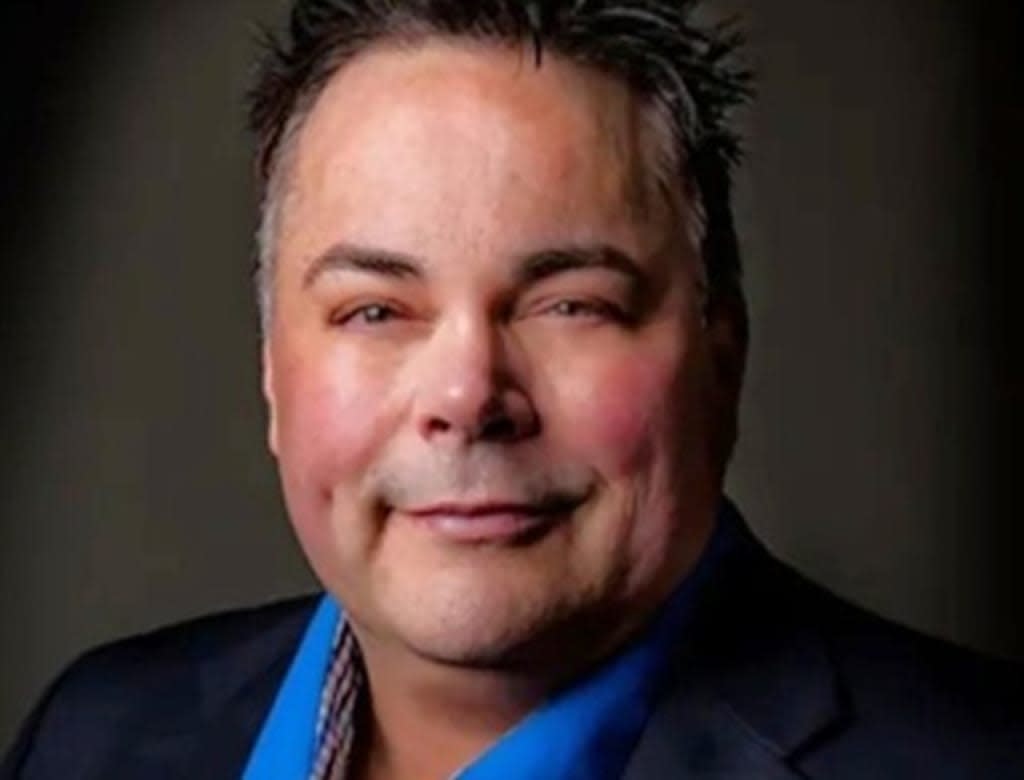
In conference rooms and virtual board meetings across the country, a familiar tension keeps resurfacing. Leaders want to build workplaces where people feel respected and treated fairly. They also want to avoid the traps of performative messaging, shifting terminology, and short-lived initiatives that never touch the real levers of power. In that space, where intention meets execution, Shane Windmeyer has built a reputation as a steady, practical guide.
Based in North Carolina, Windmeyer is a nationally respected DEI strategist and advisor who works with leaders across the United States on belonging, ethics, and sustainable leadership. His work lives less in slogans and more in systems. He is drawn to the part of inclusion that is hardest to fake and most difficult to maintain, the architecture of how decisions are made, how accountability is shared, and how culture is reinforced day after day.
People who follow his writing often notice the same pattern. Windmeyer returns again and again to fundamentals. Inclusion is not a side project. It is strategy. It is leadership. It is what happens when policies are clear, incentives are aligned, and managers are equipped to make decisions that stand up to scrutiny.
That emphasis has become especially relevant in 2026, when many organizations are trying to stabilize their approach to DEI. Some are rebranding. Some are recalibrating. Many are simply trying to keep doing the work in a way that is ethical, actionable, and sustainable. Windmeyer has positioned himself as someone who helps leaders move from broad commitments to operational clarity, and from good intentions to repeatable outcomes.
A North Carolina grounding with a national reach
There is something meaningful about Windmeyer being based in North Carolina while advising companies nationwide. It signals a kind of leadership that is not dependent on being near a single industry hub to matter. His public profiles emphasize this national scope, framing him as an advisor to business and education leaders across the U.S., working at the intersection of belonging and ethics.
That point matters because DEI work often breaks down when it becomes too abstract. It is easy to speak about values in general terms. It is harder to translate those values into practical systems that hold up across divisions, time zones, and cultures. Windmeyer’s approach is built for that translation. It is designed to travel. It is designed to scale.
In his own writing, he describes a business environment that no longer rewards soft statements or surface-level allyship. Instead, he argues that organizations need integrated leadership and a culture that can withstand pressure because it is built into every layer. The point is not that companies should become less human. The point is that they should become more consistent.
Strategy first, then language
DEI has become one of the most contested and misunderstood categories in organizational life. For some leaders, it is a moral commitment. For others, it is primarily a risk management concern. For many employees, it is a lived reality that is either supported or undermined by how leaders behave.
Windmeyer’s work tends to treat DEI as strategy before it is branding. In an article that frames inclusion as core, not peripheral, he emphasizes redesigning systems so people can thrive, rather than trying to “fix” people. That is a deceptively powerful shift. It changes the conversation from personal virtue to organizational design.
Instead of asking whether a workplace has the right language, his framing pushes leaders to ask whether they have the right mechanics:
- Do hiring and promotion processes rely on clear criteria, or on familiarity and informal networks
- Do managers understand how to give equitable feedback, or do standards change depending on who is receiving it
- Are pay decisions explainable, or do they depend on negotiation dynamics that advantage some groups over others
- Is “culture” treated as a feeling, or as a set of behaviors leaders consistently reward
This is where his work becomes valuable to companies that want to keep moving forward without falling into either extreme. It is not a retreat into neutrality, and it is not an insistence on grand gestures. It is a commitment to the daily practice of fairness.
The craft of turning values into operating systems
Most organizations do not fail at DEI because they lack good people. They fail because they rely on informal systems and unexamined habits. Windmeyer’s writing repeatedly returns to that idea, insisting that DEI must transcend compliance and become core strategy, embedded into how organizations operate.
That framing suggests a particular kind of work behind the scenes. It is work that looks like:
Clarifying what fairness means in a specific environment
Fairness is not a slogan. It is a set of choices, about access, evaluation, and accountability. The first step is naming what “fair” actually looks like in hiring, pay, promotion, and team dynamics, then defining it in ways leaders can apply consistently.
Building measurement that leaders actually use
Many companies have data. Fewer have metrics that change behavior. The goal is not more dashboards. The goal is a small set of indicators that tell leaders where systems are working and where they are breaking, then linking those signals to leadership expectations.
Equipping managers to do the hard parts well
Managers are where DEI becomes real or becomes theater. If a manager cannot handle conflict, deliver fair feedback, or run inclusive meetings, no amount of organizational messaging will compensate. Windmeyer emphasizes leadership capability, culturally competent decision-making, and the discipline of listening before directing.
Designing for durability
A system is only inclusive if it holds up under stress. That means the work cannot depend on one charismatic sponsor or one passionate committee. It has to be built into hiring guides, promotion criteria, compensation governance, and leadership development.
This is the kind of craft that makes a DEI strategy feel less like a campaign and more like a management system.
A voice for “courage” that is operational, not theatrical
Windmeyer uses the language of courage often, but he does not treat courage as performance. In his writing on building a culture of courage, he frames DEI as a compass that shapes culture and drives innovation, arguing that success depends on bold, integrated leadership.
In practice, “courage” in organizational life often looks simple and inconvenient:
- Standardizing a process so favoritism has fewer hiding places
- Naming the real reason a team is losing talent, even when it reflects poorly on leadership
- Ensuring people can report harm without risking retaliation
- Saying no to quick fixes that look good but do not change outcomes
Courage, in this sense, is the willingness to choose consistency over convenience.
This is also why Windmeyer’s work resonates with leaders who are tired of polarization. He is not asking them to become perfect. He is asking them to become reliable. Reliable processes. Reliable standards. Reliable accountability.
Helping companies navigate a shifting environment
Windmeyer as also recently expanded DEI consulting services designed for businesses and institutions seeking ethical and sustainable planning, including remote or in-person support. The common theme is stability. Not political stability, but organizational stability. The kind that comes from knowing what you stand for and having processes that reflect it.
In 2026, companies are navigating a complex set of pressures:
- Employees who want meaningful fairness and opportunity
- Customers and communities who are paying attention to alignment
- Legal and reputational risks that require discipline and documentation
- Rapid technology adoption that can embed bias into automated decisions
- Manager burnout that makes culture harder to maintain
Windmeyer’s emphasis on strategy helps leaders resist the temptation to either abandon DEI or overcorrect into optics. His framing suggests a third path: keep doing the work, but do it with sharper systems, clearer accountability, and leadership behaviors that people can trust.
The human element behind the strategy
A feature story is incomplete if it turns a person into a framework. Windmeyer’s work is strategic, but it is also deeply human. His writing repeatedly circles back to listening, relational leadership, and the idea that inclusion is experienced in daily interactions.
That focus shows up in how he talks about leadership itself. He challenges leaders to build tables rather than simply invite people to existing ones, which is another way of saying that access and influence must be redesigned, not merely offered. It is a call for leaders to see power clearly and to share it intentionally.
In corporate life, that can mean ensuring high-impact assignments are distributed fairly, not only to the most visible employees. It can mean building sponsorship systems that are not dependent on informal relationships. It can mean creating meeting norms that allow quieter voices to shape decisions. These moves are not sentimental. They are structural. They change who gets seen, who gets developed, and who gets promoted.
A quiet legacy that looks like better decisions
It is easy to celebrate DEI when it is popular. It is harder to build DEI when it requires discipline, when it asks leaders to examine their own habits, when it forces a company to clarify standards and live by them.
The most compelling thing about Shane Windmeyer’s work is that it aims for longevity. He is positioned as someone helping organizations build inclusion that lasts by treating it as leadership and strategy, not a side initiative.
A durable DEI strategy does not always produce dramatic headlines. More often, it produces quieter outcomes:
- Employees who understand what is expected and how to grow
- Managers who can lead fairly under stress
- Pay and promotion decisions that are explainable and consistent
- Cultures where trust is built through follow-through, not declarations
- Organizations that can adapt without abandoning their principles
That is the kind of impact that compounds. It is also the kind that tends to be associated with mature strategy work, the work that happens before the presentation slides, inside the policies and practices that shape daily life.
From North Carolina, advising leaders across the country, Windmeyer’s career has taken shape around a straightforward idea. Inclusion is not what an organization says when it is comfortable. Inclusion is what it does when it is tested. And in 2026, that definition is exactly what companies are being asked to prove.
About the Creator
Shane Windmeyer
Shane Windmeyer is a nationally respected DEI strategist and author who has spent decades helping institutions rethink how they lead, listen, and build cultures that last.
Keep reading
More stories from Shane Windmeyer and writers in Humans and other communities.
Shane Windmeyer on Title IX Exemptions: The Harm to LGBTQ+ Athletes and Students
In a powerful Op-Ed for Outsports, civil rights advocate and DEI strategist Shane Windmeyer lays bare the human cost of Title IX religious exemptions when they are used to justify discrimination against LGBTQ+ students and athletes. His essay sheds light on how a law originally designed to dismantle sex-based discrimination is being warped into a tool for exclusion — leaving some of the most vulnerable students behind.
By Shane Windmeyerabout a month ago in Humans
Multinational Crisis Part 4: Who Cares?
“Frankly, my dear, I don’t give a damn!” Facebook. Silent. TikTok. Silent Instagram, Threads, Lemon8, and every other social media, are not concerned with what is happening to you, women and men, on their platforms. They care only, for the mighty dollar and statistics.
By Alexandra Grantabout 9 hours ago in Humans



Comments
There are no comments for this story
Be the first to respond and start the conversation.