
The Moment I Saw Myself on Screen: How Representation in Media Shaped My Identity
The transformative power of seeing your cultural story reflected in mainstream media, and how it fosters a sense of belonging and self-acceptance

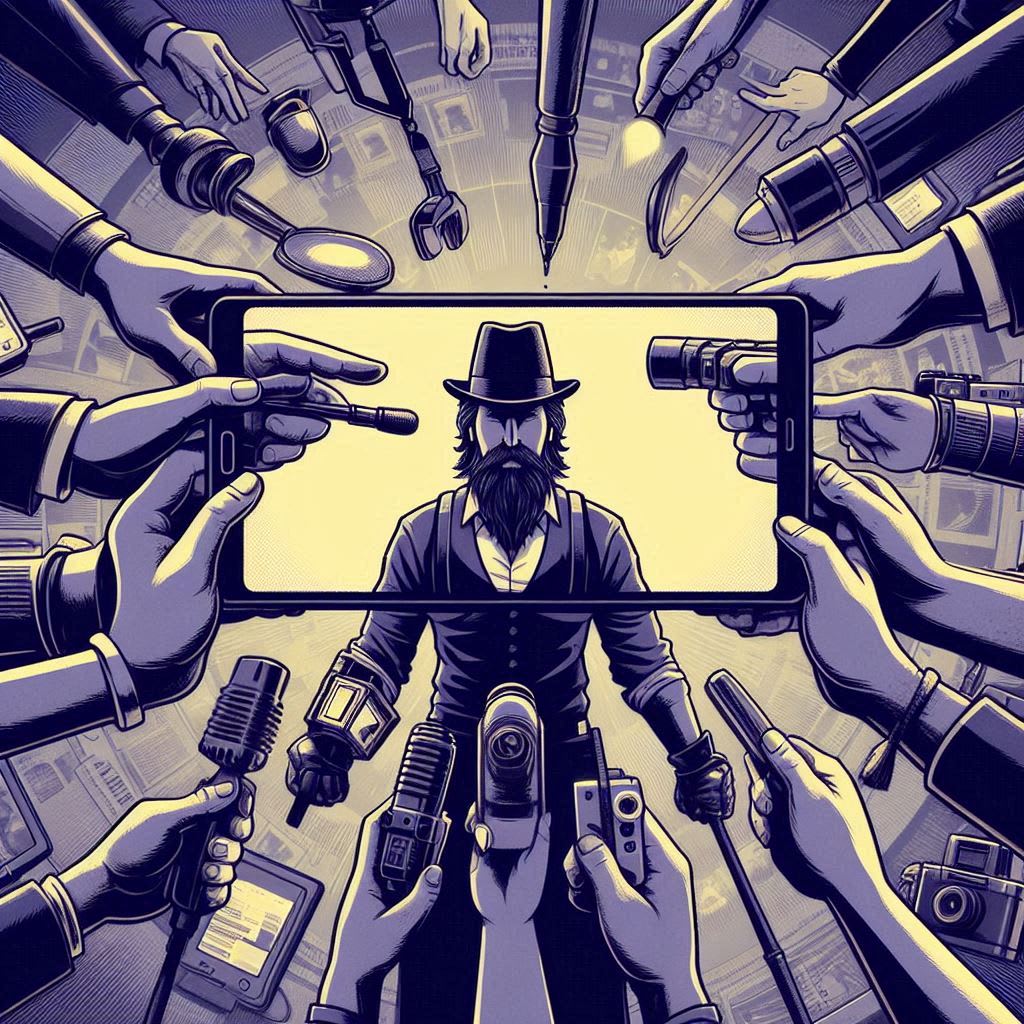
Growing up as the child of immigrants, I often felt like I was living in two worlds. At home, I was surrounded by the traditions, language, and expectations of my Bangladeshi heritage. But outside, in school or with friends, I was immersed in the culture of America—a world that often felt vastly different from the one I knew at home. I would flip through the pages of books or scroll through TV channels, desperately searching for characters or stories that resembled my experiences, only to find that they were few and far between. That is, until one day, an episode of the popular television show Master of None changed everything.
Master of None, created by Aziz Ansari and Alan Yang, was like a breath of fresh air. In the show, Ansari plays Dev Shah, a second-generation Indian-American trying to navigate the complexities of adulthood, love, and career. From the very first episode, I felt like I was watching a version of myself on screen—a young man in his twenties who was, like me, trying to find his place in the world, balancing family expectations with his own ambitions. There was a familiarity to his struggles, especially when it came to culture. Dev wasn’t a caricature or a stereotype; he was nuanced, flawed, funny, and deeply human.
Cultural Tensions and Family Expectations
One of the most powerful moments for me came when Dev was sitting down with his parents, speaking their native language at home. They discussed family matters, the future, and the occasional humorous misunderstanding between their immigrant values and Dev’s modern American outlook. It felt like a window into my own home. Suddenly, the private conversations I’d had with my parents—half in Bengali, half in English—were being played out on screen. I remember the quiet pride of hearing Dev’s parents speaking their language and reflecting on how that mirrored my own household’s fusion of cultures.
This was the first time I saw the subtle, sometimes unspoken, tensions between the life my parents envisioned for me and the one I was carving out for myself. The pressure to succeed in a way that honored our heritage, while still navigating my desires and passions in a society that often felt at odds with those traditional values. Like Dev, I had faced moments of discomfort, where I wasn’t sure where I truly fit in—a feeling of being neither here nor there. But seeing his story validated my own, and for the first time, I didn’t feel so alone.
Breaking the Silence on Identity and Belonging
Representation is more than just a buzzword—it’s about seeing yourself in the broader narrative, understanding that your story is worthy of being told. For me, seeing Dev's journey on Master of None made me realize that my experience as a Bangladeshi-American was not unique, nor was it something to be hidden or brushed aside. Instead, it was something to be celebrated, embraced, and explored.
This show was a turning point, not just for me but for many others like me. Before Master of None, much of the media I consumed didn’t fully reflect my experience. It often felt like there was an invisible barrier between who I was and what was shown on screen. The few times there was a character of South Asian descent, they were often portrayed as exaggerated stereotypes—the overly strict parent, the nerdy student, or the foreigner struggling with English. But with Dev, I saw a character who was complex, witty, and relatable—someone grappling with both his Indian heritage and his identity as an American in a way that felt authentic and real.
The Power of Representation and Its Impact on My Life
That sense of belonging wasn’t just internal—it started to ripple outward. Watching Master of None led me to more meaningful conversations with my peers, who were also navigating similar challenges of cultural duality. We’d talk about specific episodes, dissecting the scenes that spoke to us the most. We found common ground in discussing how we, too, had struggled with the push and pull between our immigrant backgrounds and our desire to create something new for ourselves.
For me personally, the representation on screen sparked something profound—a desire to share my own story. I began to explore writing as a way to document my experiences and to speak to others who might have felt similarly lost or in-between. Through writing, I found a way to express the richness of my cultural heritage and my experience growing up between two worlds. I began to seek out literature and media that reflected diverse voices and connected with authors whose work resonated with my own story.
Seeing myself on screen in Master of None not only gave me a sense of validation, but it also empowered me to contribute to the conversation about identity and belonging. I started to think more critically about the importance of media representation and how it can impact the way we see ourselves and others. It made me want to advocate for even more diversity in storytelling, so that people from all walks of life can experience that same moment of recognition I did.
The Role of Media in Shaping Society’s Narrative
Ultimately, representation in media is about more than just entertainment—it’s about shaping our collective narrative. It’s about creating space for everyone’s story to be told, so that no one feels invisible or unheard. For many of us, especially those who grew up as children of immigrants, media can serve as a mirror, reflecting back the unique, multifaceted identities we carry. It can be a powerful tool in helping us navigate our cultural journeys and build bridges between our past and present.
Looking back now, I realize just how much seeing myself represented in media shaped my understanding of who I am. It gave me the confidence to embrace both my Bangladeshi and American identities, to proudly share my story with others, and to continue advocating for authentic portrayals of diverse experiences. In a world where representation is still often lacking, I feel a deep sense of responsibility to contribute my voice to the ever-growing tapestry of stories that define who we are.
About the Creator
THiNK
Think - Your go-to destination for exploring captivating mysteries, insightful psychology, intriguing facts, and the latest news. Our mission is to spark curiosity and inspire learning. Join us as we uncover the unknown!
Healing Upward and Outward
Healing Upward and Outward Reconciliation is repairing the broken threads that connect us. These threads reach in two directions: up and out. First, we must consider the vertical dimension: our internal self and our relationship with the Divine. Before we can reach out to others, we are called to look inward and sit in the quiet, sometimes uncomfortable light of self-reflection. We must ask, “Where have we stumbled or contributed to a fracture?”
By Archery Owl 7 days ago in Humans


Comments
There are no comments for this story
Be the first to respond and start the conversation.