
The Lipreader’s Truth: Stop Assuming I’m Understanding Everything
It isn’t a superpower—it’s a high-stakes guessing game, and the mental tax is higher than you think.

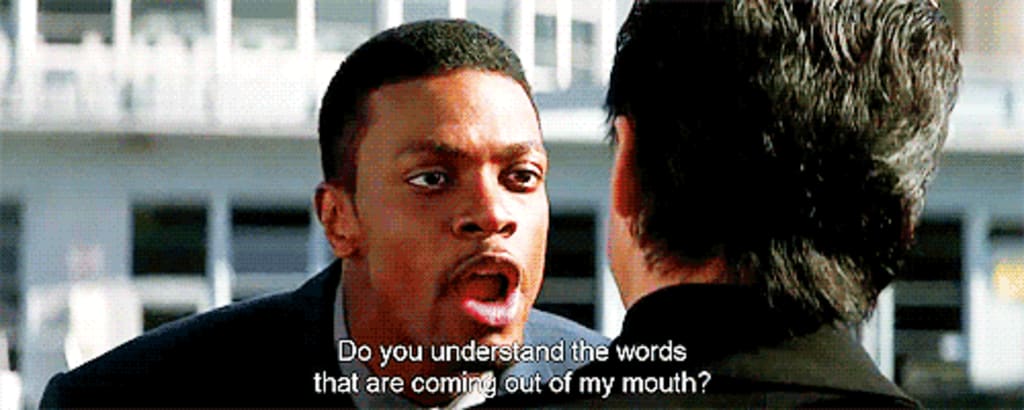
Most hearing people imagine lipreading as built‑in subtitles. They think that if they face me and speak clearly, I’m “reading” their words like text on a screen.
Here’s the truth: lipreading isn’t reading. It’s a relentless, high‑speed round of Wheel of Fortune where the stakes are my dignity and the prize is simply keeping up.
The 30% Gamble
Only about 30–40% of English is visible on the lips. The rest — the k in kite, the g in goat, the h in home — happens in the throat or nose. To a lipreader, “bat,” “mat,” and “pat” are identical twins.
When you speak to me, my brain is performing a thousand micro-calculations per second:
- The Visual Coin-Flip: Was that a ‘B’ or a ‘P’? I’m guessing based on context while you’re already onto the next word.
- The "Mad Libs" Effect: You said a word starting with 'S' and ending in 'N'—was it station, situation, or section?
- The "Mumble" Mystery: Add a mustache or minimal lip movement and my 30% drops to zero.
- The Processing Lag: I’m still decoding your first sentence while the rest of the room is laughing at your third.
This is the cognitive load — the invisible labor of stitching fragments into meaning in real time.
The Fatigue You Can’t See
People sometimes wonder why I fade at parties or choose the quiet corner of a restaurant. It’s not disinterest. It’s depletion.
Lipreading creates a specific kind of listening fatigue — a heaviness behind the eyes, a mental fog, a sense of running out of RAM. While others enjoy the “vibe” of a room, I’m working a double shift in my head.
If I pull back or go quiet, I’m not being rude. I’m conserving the last of my processing power.
The Emotional Labor of "Passing"
The hardest part isn’t the guessing — it’s the performance.
I see the flicker of frustration when I ask “What?” again. I feel the social pressure to smooth things over. So I do what many lipreaders do: The Nod.
I smile. I pretend. I act like I caught the joke.
It keeps the conversation moving, but it’s isolating. To “pass” as a successful communicator, I’m doing twice the work while hiding the struggle.
How to Be an Ally (Without Being a Hero)
Accessibility isn’t about perfection — it’s about awareness. You can make communication easier by shaping the visual environment:
- Don’t stand in front of windows. Backlighting turns you into a silhouette.
- Rephrase, don’t repeat. New words give new clues.
- Keep your mouth visible. No hands, mugs, or phones in the way.
- Check in, don’t assume. A nod doesn’t always mean understanding.
These aren’t grand gestures. They’re small shifts that open the door to real communication.
The Myth of “You’re So Good at This”
One of the strangest compliments I get is, “Wow, you’re really good at lipreading.” People mean it kindly, but it lands sideways.
What they’re really praising is my ability to compensate for a world that wasn’t built with me in mind. They’re applauding the skill, but not recognizing the cost. Lipreading well doesn’t mean the task is easy — it means I’ve spent years developing strategies, context clues, and mental shortcuts just to participate at the same level as everyone else.
What I need isn’t admiration for coping — it’s collaboration in communicating.
Moving Forward
When you talk to a lipreader, remember: I’m not just listening with my ears. I’m navigating a world built for a different sensory experience.
When you take a moment to ensure you’re being seen as well as heard, you’re not being “nice.” You’re making the world accessible — and that changes everything.
Your Part in the Conversation
Accessibility isn’t a niche issue — it’s a shared responsibility. Every interaction you have with a lipreader is a chance to either reinforce the barriers we navigate or help dismantle them. You don’t need special training or perfect technique. You just need awareness, patience, and the willingness to adjust a little so communication becomes something we build together.
If you take one thing from this article, let it be this:
Understanding isn’t automatic. Inclusion is intentional.
So the next time you’re talking with someone who relies on lipreading, pause for a moment. Make sure your face is visible. Offer clarity instead of speed. Choose connection over convenience.
Small changes add up. And when you make them, you’re not just helping me — you’re helping create a world where communication isn’t a test of endurance, but a shared human experience.
Want a Taste of Lipreading? Try This.
If you’re curious what lipreading actually feels like, grab a friend and play the “Sorry, What?” Lipreading Game. It’s simple: one person silently mouths a sentence while the other tries to guess what was said. No sound, no clues, just pure visual guessing.
You’ll notice something quickly — even the easiest words blur together. “Coffee” looks like “copy.” “Banana” looks like “bandana.” Entire sentences dissolve into a handful of possible options. And that moment when you think you understood but you’re not quite sure? That’s the feeling lipreaders navigate all day.
It’s a fun game for you.
It’s my real life.
About the Creator
Tracy Stine
Freelance Writer. ASL Teacher. Disability Advocate. Deafblind. Snarky.
Keep reading
More stories from Tracy Stine and writers in Humans and other communities.
When “Find Your Passion” Goes Wrong
“Find your passion” is everywhere — in graduation speeches, self‑help books, career workshops, and inspirational Instagram posts. It’s presented as the key to a meaningful life: once you discover the thing you were meant to do, everything else will fall into place.
By Tracy Stine25 days ago in Humans
When Love Feels Real: The Best Valentine’s Day Movie for Every Heart
Valentine’s Day can feel warm and glowing, or quiet and heavy. It depends on who is sitting beside you. Some people plan candlelit dinners and soft music. Others sit alone, scrolling through memories they wish they could forget. On nights like this, a valentine's day movie becomes more than background noise. It becomes company. It becomes comfort. It can help you laugh, cry, or simply feel understood. The right film does not just entertain. It mirrors your heart. Whether you are deeply in love, healing from heartbreak, or learning to love yourself, there is a story waiting for you. This guide explores the best valentine's day movie choices for every kind of heart.
By Muqadas khan8 days ago in Humans



Comments
There are no comments for this story
Be the first to respond and start the conversation.