
The influence of social media on society
Exploring the Digital Revolution: The Profound Influence of Social Media on Society

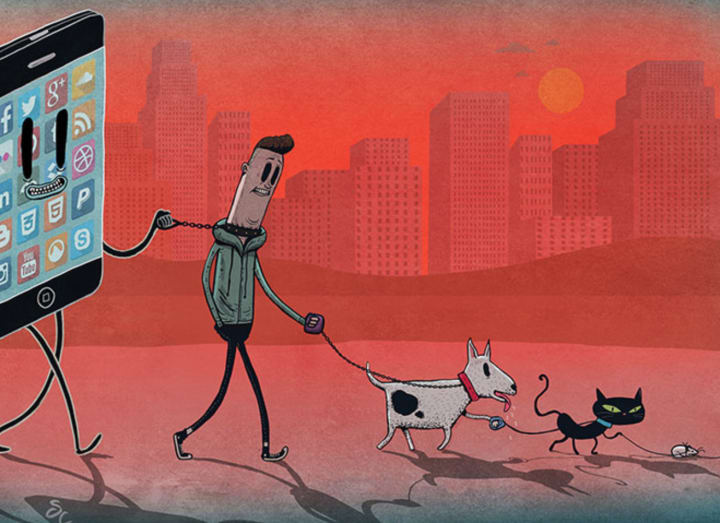
Social media has become an integral part of modern society, significantly impacting various aspects of people's lives. This essay explores the influence of social media on society, examining its effects on communication, relationships, information dissemination, and societal norms. By analysing both the positive and negative consequences, it becomes evident that social media has transformed society in profound ways, presenting opportunities and challenges that require careful consideration.
Social media platforms have revolutionized communication by providing individuals with unprecedented connectivity. They allow people to interact with others from different geographical locations and cultures, fostering a sense of global community. Social media enables individuals to exchange ideas, information, and personal experiences instantly, breaking down barriers that were once insurmountable. Platforms like Facebook, Twitter, and Instagram have become powerful tools for sharing opinions, news, and events in real-time, shaping public discourse on various topics. Furthermore, social media has given a voice to marginalized communities, empowering them to raise awareness about important social issues.
Social media has revolutionized the way we communicate, share information, and connect with others. In recent years, it has become an integral part of society, offering a range of advantages that have positively impacted various aspects of our lives. This essay explores the advantages of social media on society, highlighting its role in fostering communication, empowering marginalized voices, facilitating information sharing, promoting business opportunities, and enhancing social activism. By understanding and appreciating these advantages, we can harness the potential of social media to create a more connected and inclusive society. Social media platforms offer job seekers a platform to showcase their skills and connect with potential employers, fostering employment opportunities and facilitating the growth of the gig economy. Social media serves as a catalyst for social activism by raising awareness about societal issues, organizing protests, and facilitating community engagement. Social media platforms provide avenues for crowdfunding campaigns and building support networks for charitable causes, supporting philanthropy and humanitarian efforts.
Social media platforms have evolved beyond mere communication tools, transforming into dynamic educational platforms that offer a plethora of learning resources. This essay delves into the educational advantages of social media, focusing on how these platforms provide access to diverse educational resources, tutorials, and online courses. By exploring the expansion of learning opportunities facilitated by social media, we can understand how it has revolutionized education and created a more accessible and inclusive learning environment for individuals worldwide.
Social media's influence on relationships is a subject of intense debate. On one hand, it has made it easier to maintain and strengthen connections, particularly in long-distance relationships and friendships. Platforms like WhatsApp and Snapchat facilitate constant communication and sharing of personal moments, fostering a sense of closeness. However, social media has also been linked to negative effects on relationships. The constant exposure to curated online personas and idealized representations of life can lead to feelings of envy, inadequacy, and a fear of missing out (FOMO). Moreover, excessive reliance on social media for social interactions can hinder face-to-face communication skills and deepen feelings of isolation.
Social media has transformed the dissemination of information, challenging traditional media dynamics. With the rise of citizen journalism and user-generated content, news and events can spread rapidly through social media platforms. This presents both advantages and disadvantages. On one hand, it enables a diverse range of perspectives to be shared, breaking the monopoly of mainstream media. Social media has played a pivotal role in organizing and mobilizing social movements, allowing activists to raise awareness and enact change. However, the unchecked spread of misinformation and fake news poses significant challenges, as it can influence public opinion, sow division, and undermine trust in traditional media sources.
Social media has had a profound impact on societal norms, shaping attitudes, behaviors, and cultural trends. The constant exposure to carefully curated posts and images can create unrealistic expectations and foster a culture of comparison and self-objectification. Body image issues, cyberbullying, and online harassment have become prevalent concerns. Furthermore, social media has played a role in normalizing certain behaviors, such as excessive self-disclosure and the blurring of personal and professional boundaries. The quest for validation through likes, followers, and online popularity can impact individuals' self-esteem and mental well-being.
In conclusion, social media has undeniably transformed society in significant ways. It has revolutionized communication, connected individuals across the globe, and empowered marginalized communities. However, it has also introduced challenges such as the erosion of face-to-face interactions, the spread of misinformation, and the perpetuation of unrealistic societal norms. Recognizing and addressing these challenges is crucial to harnessing the positive potential of social media while mitigating its negative consequences. As society continues to grapple with the influence of social media, thoughtful engagement and responsible use become imperative for creating a healthy digital environment.
About the Creator
Keep reading
More stories from writers in Humans and other communities.
Whiskey At Dusk
Guess the whiskey was more important to you in the end, wasn’t it? It was more than the well-being of your friends; more vital than showing up to the places you promised you would and could come to; more critical of a matter than fulfilling your damn responsibilities and getting the press off your back.
By Snarky Lisa5 days ago in Humans
The Dangers of Not Having Your Coffee
5:30 a.m. and my husband coos at me asking if I am awake. I am now, but barely. He tells me he is off to work, checked the fire downstairs, and that is will be fine until I wake up (until 7:30 a.m.). Cool. I set my alarm for 7:30 and head back into some delicious dream, I can’t remember anymore. No I would not tell you, even if I could remember the dream)
By Alexandra Grant6 days ago in Humans




Comments
There are no comments for this story
Be the first to respond and start the conversation.