
The Importance of "Self-Care"
It's Not Selfish

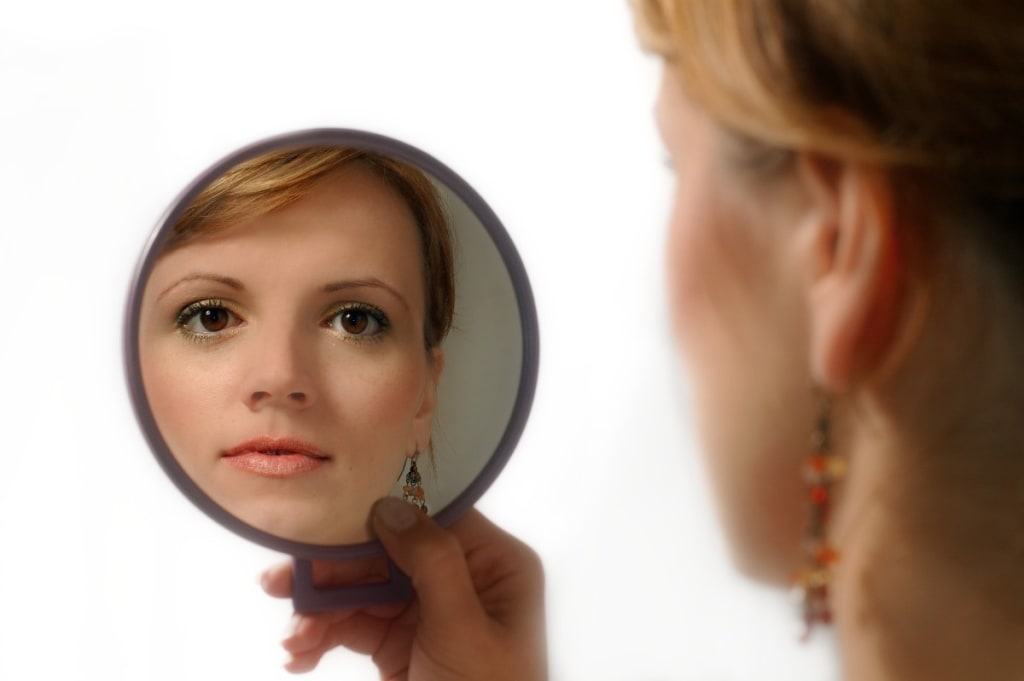
Being There For Others Without Forgetting Yourself
In today’s fast-paced and interconnected world, we are often bombarded with messages emphasizing the importance of being there for others. We are taught from a young age to be kind, empathetic, and compassionate towards those around us. While these qualities are admirable, there is one crucial aspect that often gets overlooked in the pursuit of being there for others — taking care of ourselves.
In the pursuit of being a good friend, family member, or colleague, we often neglect our own needs and well-being. We put others’ needs before our own and push ourselves to the limit to ensure their happiness and comfort. However, this constant self-sacrifice can have detrimental consequences on our mental, emotional, and physical health.
The saying “be there for others, but never leave yourself behind” may seem simple, but it holds a powerful lesson — the importance of self-care of one’s physical, emotional, and mental health. It involves setting boundaries, prioritizing one’s needs, and engaging in activities that bring joy and relaxation.
So, why is self-care crucial in our relationships with others?
Here are a few reasons =>
You cannot pour from an empty cup.
Imagine a cup filled with water. Now imagine that you keep pouring water from that cup without ever refilling it. Eventually, the cup will run dry, and you won’t have anything left to pour. The same ‘concept’ applies to our well-being. If we constantly give and give without taking time to replenish ourselves, we will eventually burn out.
Self-care is about replenishing our physical, emotional, and mental reserves so that we can continue to be there for others without sacrificing our own well-being. By taking care of ourselves first, we ensure that we have enough energy and resources to be truly present for those we care about.
Setting boundaries is crucial for healthy relationships.
In our desire to be there for others, we often say “yes” to everything and everyone, even when it may not be in ‘our’ best interest. We overcommit ourselves and take on more than we can handle, leading to feelings of overwhelm and resentment.
However, setting boundaries is essential for maintaining healthy relationships. When we know our limits and are honest about them, we can communicate them effectively to others. This not only prevents burnout but also fosters respect and understanding in our relationships.
Self-care promotes self-love.
Being there for others without neglecting ourselves is an act of self-love. When we prioritize our well-being and engage in activities that bring us joy and comfort, we are sending a powerful message to ourselves — that we are “Worthy” of love and care. This builds our self-esteem and confidence, making us more equipped to handle challenges in our relationships with others.
Moreover, self-care also involves recognizing ‘our’ needs and addressing them. This can involve seeking therapy, taking a break from toxic relationships, or simply engaging in activities that make us happy. By acknowledging our needs, we are showing ourselves love and compassion, which ultimately reflects in our relationships with others.
It sets a good example for those around us.
As the saying goes, ’actions speak louder than words’. By prioritizing self-care, we are setting an example for those around us, especially those of the younger generation. We are showing them that it is not selfish to take care of ourselves and that it is essential for maintaining healthy relationships.
When we constantly neglect our own needs and well-being, we unintentionally teach others to do the same. By practicing self-care, we are promoting a culture of self-love and self-respect, which can have a positive impact on our relationships with others.
In conclusion, being there for others is undoubtedly important, but we must never leave ourselves behind in the process. Self-care is crucial for maintaining healthy relationships, setting boundaries, promoting self-love, and setting a good example for those around us.
It is essential to remember that self-care looks different for everyone and can involve a variety of activities, such as going for a walk, practicing mindfulness, or spending time with loved ones. The Key is to prioritize our well-being and make it a constant practice in our daily lives.
So the next time you feel guilty for taking time for yourself, remember that you cannot pour from an empty cup. By taking care of yourself, you are not only benefiting your own well-being but also enhancing your relationships with others.
Remember to be there for others, but never leave yourself behind.
About the Creator
Ruth Elizabeth Stiff
I love all things Earthy and Self-Help
History is one of my favourite subjects and I love to write short fiction
Research is so interesting for me too
Keep reading
More stories from Ruth Elizabeth Stiff and writers in Humans and other communities.




Comments
There are no comments for this story
Be the first to respond and start the conversation.