
The Importance of Digital Literacy in the 21st Century
Why Navigating the Digital World Is Essential for Everyone
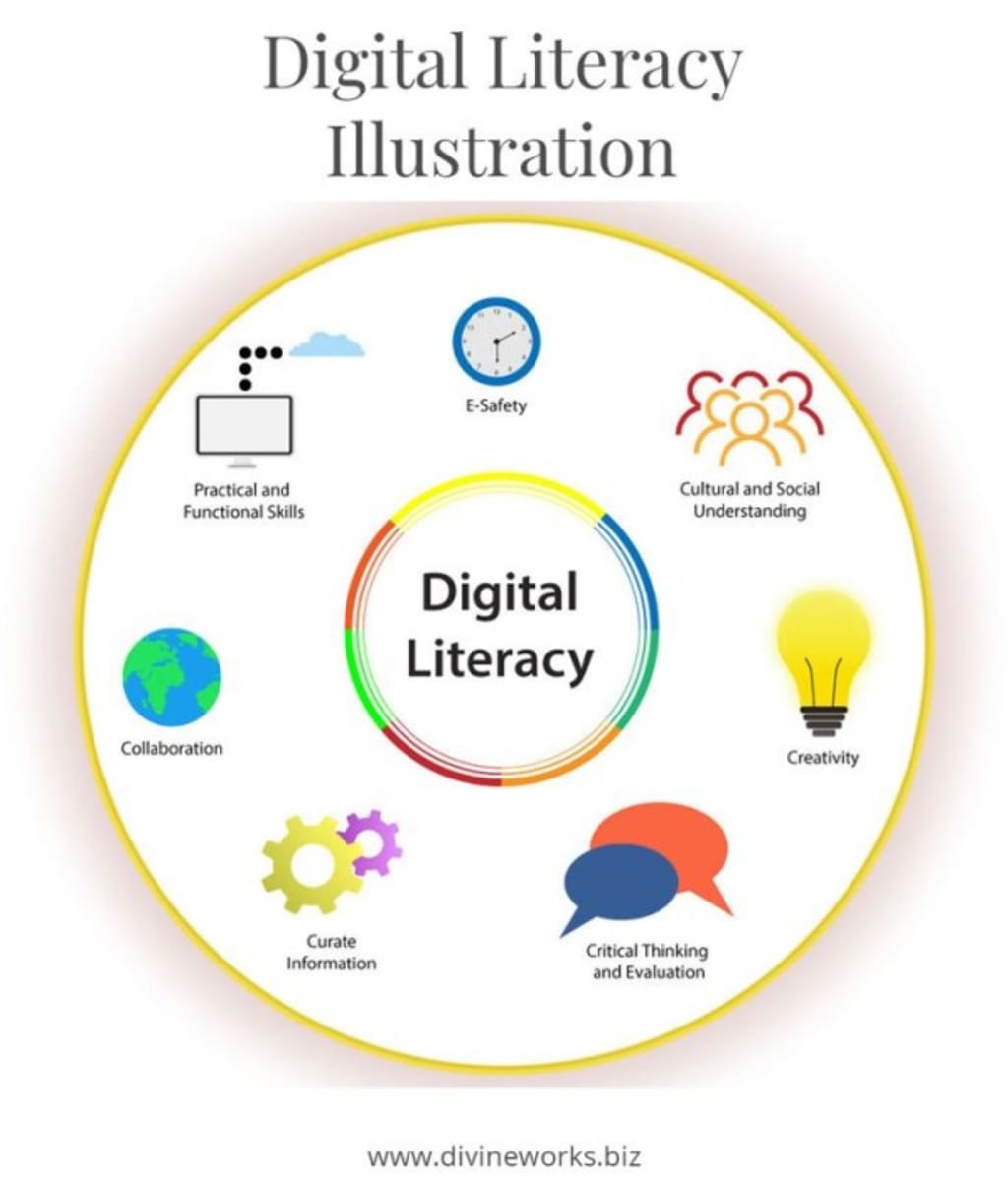
In the 21st century, digital literacy has become one of the most fundamental skills a person can have. It goes far beyond just knowing how to use a computer or send emails. Digital literacy means having the knowledge, skills, and mindset to effectively and safely navigate an increasingly complex digital world. As technology continues to permeate every aspect of our lives—from the way we work and learn, to how we socialize and entertain ourselves—being digitally literate is no longer optional but essential.
At its core, digital literacy involves understanding how to use digital devices, platforms, and applications, but also how to critically evaluate the massive flow of information online. It means knowing how to protect your personal data and privacy, how to communicate respectfully and responsibly, and how to solve problems using digital tools. Without these skills, people risk being excluded from important social, educational, and economic opportunities.
Think about how much of modern life depends on digital access. Many jobs require some level of comfort with technology, whether it’s sending emails, managing data, or collaborating online. Schools now rely heavily on digital platforms for assignments, lessons, and communication between teachers, students, and parents. Health services increasingly offer telemedicine and digital health records. Even government services—from renewing your driver’s license to filing taxes—are mostly online. If you don’t have digital literacy, you miss out on many opportunities and essential services.
One of the most critical aspects of digital literacy is the ability to think critically about online information. The internet is flooded with a mixture of factual information, opinions, marketing messages, misinformation, and outright fake news. This overload can be overwhelming, and without skills to judge the credibility of sources, people can be easily misled or manipulated. Digital literacy teaches us to ask key questions: Who created this content? What is their purpose? Is the information supported by evidence? Can it be verified from multiple trusted sources? Developing this critical mindset helps prevent falling victim to scams, conspiracy theories, or false claims.
Privacy and security are other vital components. Cyber threats such as phishing scams, identity theft, malware attacks, and data breaches are all too common. Digital literacy includes knowing how to create strong, unique passwords, using two-factor authentication, recognizing suspicious emails or websites, and keeping software updated. These precautions protect your personal information and reduce the risk of financial loss or identity fraud. With so much of our lives online—from banking to social networks—knowing how to stay safe is crucial.
Social media adds complexity to digital literacy. On one hand, social platforms offer powerful ways to connect, express ourselves, and build communities. On the other hand, they can amplify misinformation, increase polarization, and expose users to cyberbullying or harassment. Understanding how social media algorithms work, how content is curated, and how to engage respectfully online helps us benefit from these platforms while minimizing harm. It’s also important to know how to manage screen time and mental health in a world designed to capture attention.
For younger generations, digital literacy is increasingly part of school curricula. Teaching children not just to use devices but to think critically, behave ethically, and stay safe online lays the foundation for lifelong digital competence. For adults, continuous learning and support are essential as technologies and threats evolve rapidly. Digital literacy is a journey, not a one-time achievement.
The COVID-19 pandemic revealed starkly how vital digital literacy has become. When schools closed and workplaces shifted online, those without sufficient digital skills or access found themselves isolated, struggling with remote learning or remote work. This highlighted the urgent need to bridge the digital divide—the gap between those who have access to technology and skills and those who don’t. The divide is not only about access to devices or internet but also about knowledge and confidence to use them effectively.
Closing this digital divide is a global challenge but also a moral imperative. Governments, organizations, and communities must work together to provide affordable access, digital education, and ongoing support to everyone, especially marginalized groups. Everyone deserves the chance to participate fully in the digital age.
Digital literacy is constantly evolving. Emerging technologies like artificial intelligence, virtual and augmented reality, blockchain, and the Internet of Things bring new opportunities and challenges. Staying informed and adaptable is key to making the most of these innovations while avoiding pitfalls.
Ultimately, digital literacy empowers people to make informed choices, engage responsibly, protect themselves, and seize opportunities in the digital world. It enriches personal and professional lives, strengthens communities, and contributes to a more informed, inclusive society. In today’s world, digital literacy is truly a cornerstone of modern citizenship and lifelong learning.



Comments (1)
Digital literacy is super important these days. It's not just about using tech but evaluating info too. I've seen how it affects job opportunities. Without it, you're missing out on a lot. How do you think we can better teach digital literacy to those who need it most? Also, dealing with online misinformation is tough. We need to be more aware. Have you ever been misled by something you saw online? And how did you realize it wasn't true?