
Trapped in Our Screens – The Hidden Cost of Phone Addiction
How smartphones are reshaping our minds, behaviors, and relationships—and what we can do about it
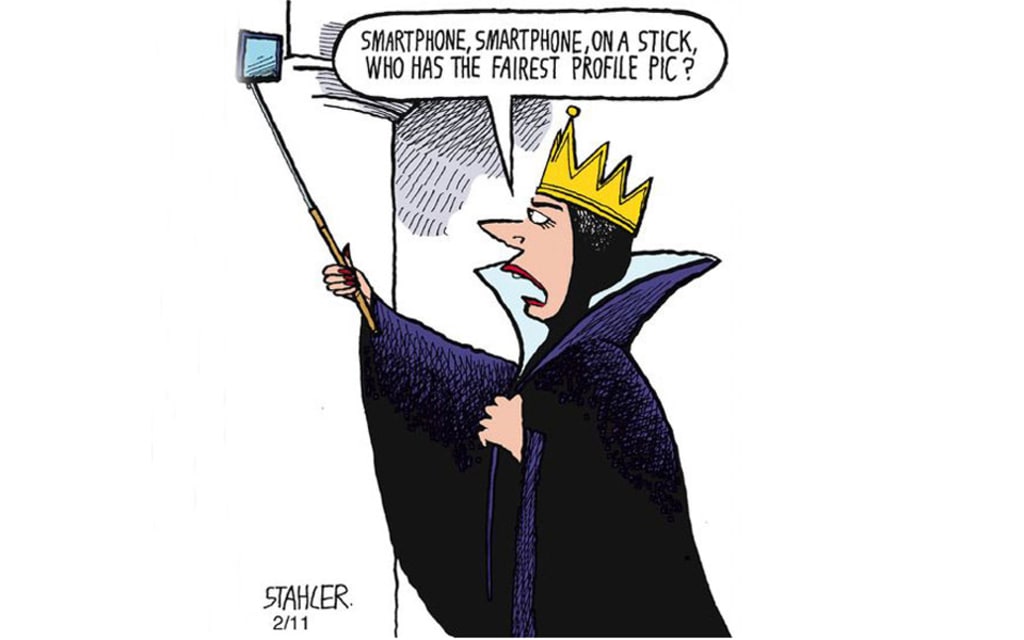
In the past two decades, the smartphone has gone from being a luxury product to becoming an indispensable part of daily existence. We utilize our phones for calls with loved ones, for information access, for taking pictures, for music listening, for navigating reality, for remote work, and for tracking our health. But with increasing reliance on the technology, with it comes a silent epidemic: phone addiction.
Phone addiction or phone addiction or smartphone addiction is not a medical issue, though the impact is recognized. Excessive phone use to the extent of disturbing daily life, relationship, and general health constitutes phone addiction. The majority of people don't realize they are addicted until they attempt to taper off and experience pain, anxiety, or boredom—withdrawal symptoms which are identical to those found in other addictions.
The design of smartphones and the apps they host plays a major role in fostering addictive behavior. Social media platforms, games, and news apps are specifically engineered to capture and retain our attention for as long as possible. Features such as infinite scrolling, personalized content, push notifications, and reward systems stimulate the release of dopamine—the brain's "feel-good" chemical—creating a cycle of instant gratification that keeps us coming back for more.
This perpetual stimulation has ill consequences for our physical and psychological well-being. Research has associated excessive use of the telephone with heightened anxiety, depression, stress, and insomnia. The more we scroll, the more we compare, feel inadequate, and feel fear of missing out (FOMO). Quality of sleep is particularly disrupted if phone use extends well into the evening, exposing us to blue light that blocks the release of melatonin and suppresses deep sleep.
Aside from physical health, mobile phone addiction is transforming our relationship with the world. Face-to-face relationships are affected when individuals are more preoccupied with screens than interactions. It is quite common to find a group of friends in front of each other, each holding their own phone, more interested in cyber space than with each other. This type of behavior, known as "phubbing" (phone + snubbing), erodes intimacy and fosters emotional space, even among families.
But yet another alarming aspect of phone addiction is the way that it results in the diminished attention span and mental acuteness. The constant routine of scanning for messages conditions the mind to anticipate routine stimulation, and it becomes increasingly hard to stay concentrated on activities over the long term or to think through at length. Almost anybody claims they cannot stay present at work or in conversation without grabbing their phone. For future generations, the issue is especially pertinent as excessive exposure at a young age to technology can preclude the development of critical analysis and regulation of emotions.
Kids and teens are particularly vulnerable. As wonderful as phones can be as learning devices, they expose young users to poisonous content, cyberbullying, and artificial expectations fostered by social media celebrities. Moreover, excessive screen use has been associated with worsened academic performance, more sedentary behavior, and language and social delay. Parents are awful at setting boundaries, and even worse when they are themselves glued to their own phones all day long.
Most of the economic model of smartphone apps worsens the problem. Tech companies are profiting from attention—more time on screen = more data garnered and more ads displayed. The attention economy rewards tech companies to design sticky features rather than healthy habits of usage. Some platforms have introduced features that permit monitoring of screen time or permit "focus mode," but these efforts are typically swamped by algorithms worth billions of dollars designed to keep individuals glued to their screens.
So what now? Awareness first. That phone addiction is real—and that it knows no age—lets the change begin. We must admit to our behavior and be willing to ask hard questions: Are we reaching for our phones to flee uncomfortable emotions? Are we trading relationships for virtual diversions? Are we opting for ease over well-being?
Second, boundaries need to be set. Functional strategies entail turning off extraneous notifications, taking phones out of the bedroom, setting specific "no-phone" times at meal or conversation time, and using apps that track or limit screen time. Some go as far as getting a periodic "digital detox" by spending an hour, a day, or even a weekend phone-free so they can rediscover the world offline.
Mindful consumption is also a good antidote. Instead of mindlessly consuming content, we can take a moment to consider whether or not what we're consuming on our devices is inspiring, meaningful, or significant. Replacing mindless scrolling with more intentional pursuits like reading, exercise, spending time outside, or creative pursuits can undo addiction and bring balance.
The parents and the teachers must set the example for becoming healthy behavior models and setting youth on the right path for better use of phones. The open daily discussion for avoiding excess usage, providing explicit guidelines, and practicing offline socialization and play are key measures. Schools can also introduce policies for restricting the use of phones in classes for better focus and enhanced learning.
At the larger level, there is mounting pressure on technology companies and policymakers to be held accountable. This ranges from the regulation of data privacy to algorithmic transparency on construction, age restrictions on addictive apps, and ethical guidelines that prioritize user well-being over profit. Digital well-being needs to be elevated to public health status with support from educational campaigns and community programs that promote healthy digital behavior.
It's also worth noting that smartphones aren't the issue. They are wonderful tools that, when used with purpose, can enhance our lives a million different ways. What we're fighting with is how we're using them—and the structures that incentivize mindless use. We must reclaim our agency, not allow our devices to tell us what to do.
In a technologically oriented world, phone addiction is a problem—a problem that can be solved. It requires self-regulation, self-awareness, and cultural change. By finding new means of engaging with our phones, we can support our mental well-being, build our relationships, and live a more mindful, meaningful life.
About the Creator
Amber Glenn’s Quiet Rise Through Pressure, Pain, and Perseverance
Amber Glenn is not the loudest name in figure skating, but her presence lingers long after she leaves the ice. Her career has been shaped by moments of promise, heartbreak, resilience, and steady growth that rarely follows a straight line. For years, she stood on the edge of major breakthroughs while carrying pressure few could see. Amber Glenn’s story is not about overnight success. It is about staying when leaving would have been easier. It is about learning to trust her body again, believing in her place in the sport, and showing up even when the spotlight felt heavy. To understand Amber Glenn today, you have to look beyond scores and medals and into the quiet determination that defines her journey.
By Muqadas khan7 days ago in Humans


Comments
There are no comments for this story
Be the first to respond and start the conversation.