
The Impact of Technology on Sleep Quality and Tips for Healthy Digital Habits
Strategies to Counter the Impact of Technology on Sleep Quality

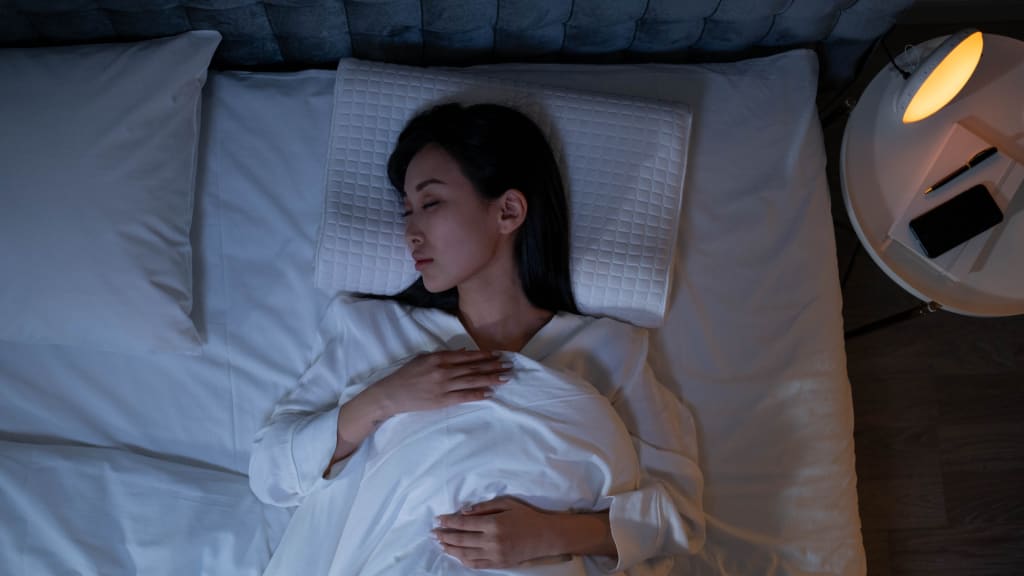
In today's modern world, technology has become an integral part of our daily lives. From smartphones and tablets to laptops and smartwatches, we are constantly surrounded by digital devices. While technology brings numerous benefits and conveniences, it also has an impact on our sleep quality. In this article, we will explore the effects of technology on sleep and provide practical tips for developing healthy digital habits to promote better sleep. Through real-life examples, we will understand how individuals have successfully improved their sleep quality by implementing these strategies.
The Disruptive Effects of Blue Light:
One of the major impacts of technology on sleep is the exposure to blue light emitted by electronic devices. Blue light suppresses the production of melatonin, a hormone that regulates sleep-wake cycles. This can lead to difficulties falling asleep and disrupted sleep patterns. For example, Sarah, a regular smartphone user, noticed that she had trouble falling asleep after using her phone late at night. She decided to implement a digital curfew by setting a specific time when she would stop using electronic devices to allow her body to prepare for sleep.
Distractions and Stimulating Content:
Another way technology affects sleep is through distractions and stimulating content. Engaging in activities like scrolling through social media feeds or watching exciting videos before bed can make it difficult to relax and unwind. Mark, a working professional, used to check work emails on his tablet right before bed. He realized that this habit kept his mind active and made it challenging to transition into a restful state. To address this, he established a bedtime routine that included reading a book or listening to calming music instead of using his tablet.
Sleep Disruptions from Notifications:
The constant influx of notifications, such as incoming messages or emails, can disrupt sleep by causing interruptions and temptations to check the device. Laura, a university student, experienced this firsthand when she kept her phone next to her bed and received notifications throughout the night. She decided to create a technology-free zone in her bedroom by keeping her phone in a different room and using an alarm clock instead. This simple change allowed her to have uninterrupted sleep and wake up feeling more refreshed.
Establishing a Digital Wind-Down Routine:
Creating a digital wind-down routine can help signal to the body that it is time to relax and prepare for sleep. This routine may include activities such as reading a book, practicing mindfulness or meditation, or engaging in gentle stretching exercises. John, a busy professional, incorporated a 30-minute wind-down routine before bed, during which he would turn off all electronic devices and focus on calming activities. This routine helped him unwind from the day's stresses and improve his sleep quality.
Implementing Sleep-friendly Device Settings:
Adjusting device settings can also contribute to better sleep. Many devices offer features like Night Mode or Blue Light Filters that reduce the amount of blue light emitted. These settings can be scheduled to activate automatically in the evening, promoting a more sleep-friendly environment. Emma, a frequent smartphone user, enabled the Night Shift mode on her device, which shifted the screen to warmer colors in the evening. This adjustment made a noticeable difference in her ability to fall asleep faster and enjoy more restful sleep.
Creating a Technology-Free Bedroom:
Designating the bedroom as a technology-free zone can have a significant impact on sleep quality. Removing electronic devices from the bedroom eliminates the temptation to use them before sleep or during the night. David, a technology enthusiast, decided to establish a no-phone policy in his bedroom. He created a charging station in the living room and started using an alarm clock instead of relying on his smartphone. This change helped him create a sleep-friendly environment and reduce the disruptions caused by technology.
While technology has undoubtedly revolutionized our lives, it is essential to be mindful of its impact on sleep quality. By understanding the disruptive effects of blue light, distractions, and sleep disruptions caused by notifications, we can take proactive steps to develop healthy digital habits. Implementing a digital curfew, establishing a wind-down routine, adjusting device settings, and creating technology-free zones can all contribute to better sleep. Real-life examples demonstrate the positive impact of these strategies on individuals' sleep quality. By prioritizing healthy digital habits, we can promote restful sleep and improve overall well-being in the digital age.
About the Creator
Nesou
📓🌌✨ Dive into poetry, stories, and thoughts. 📚✍️ Unveil the universe's mysteries through words. 🌌✒️ Share emotions, experiences, and magic. ✨🖋️ Explore a boundless world of expression. 🌟📝
Send Me Tips🍀,insights and❤️if you'd like😍✨
Love Is A Verb
“Why did nobody check on my mental health when I kept tattooing my face?” is a question I asked myself months ago. As I sat pondering on my previous life choices, I thought about the fact that many of them were clear signs that I wasn’t ok. I couldn’t help but wonder if the people in my life genuinely cared for me as they watched me get excessive face tattoos.
By Kenya Shania 4 days ago in Humans



Comments
There are no comments for this story
Be the first to respond and start the conversation.