
The Impact of Social Media on Pop Culture: A Deep Dive
Explore the rise of social media influencers, viral trends, and their impact on society

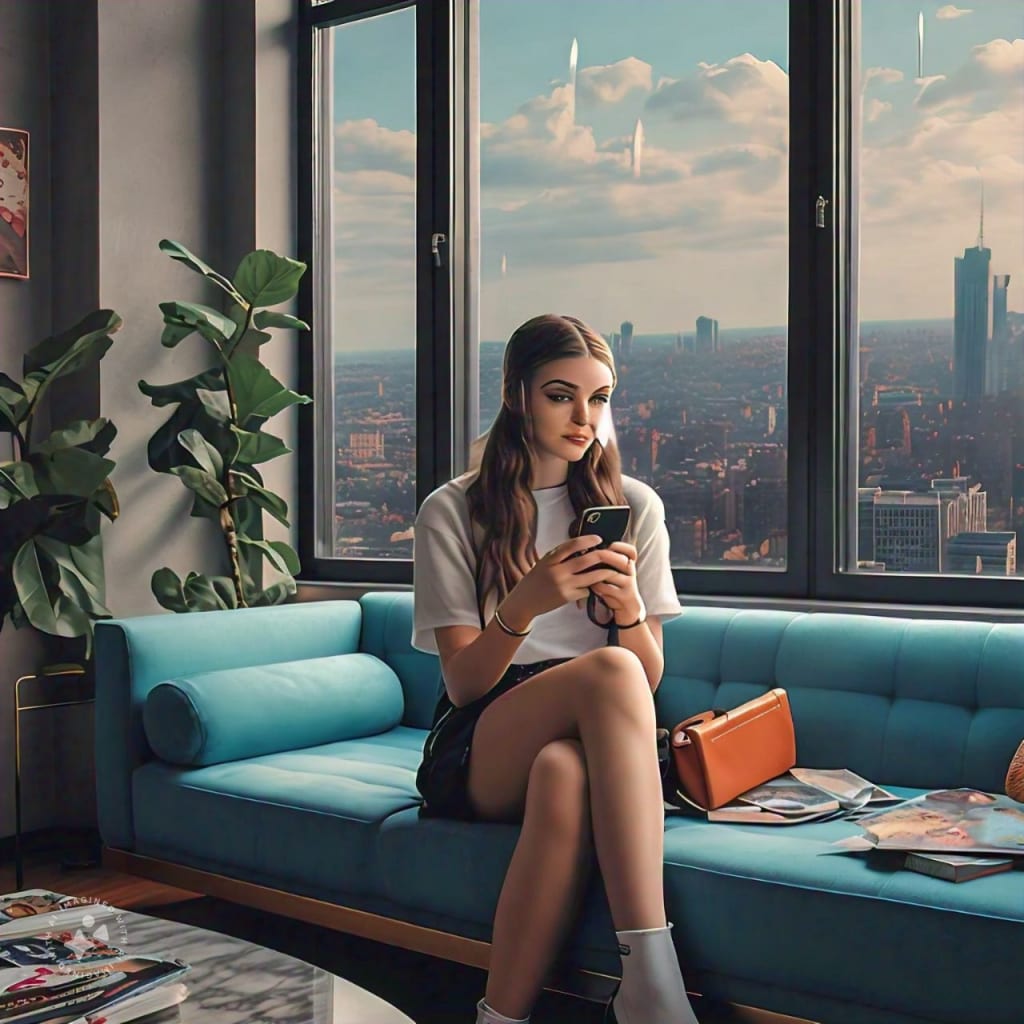
In today’s world, social media is not just a tool for communication; it’s become an ever-present force in shaping pop culture. From viral trends to influencers driving the latest fashion or beauty craze, social media has revolutionized how we experience and interact with culture. In the blink of an eye, a single tweet, post, or video can change the direction of popular trends, bringing new ideas into the spotlight and pushing old ones into the background. But what exactly makes social media so powerful in shaping our culture, and what does this mean for society?
To truly understand the impact of social media on pop culture, we need to look at how it’s altered the ways we consume information and entertainment. With the rise of platforms like Instagram, TikTok, Twitter, and YouTube, the barriers between the public and the creators of content have never been thinner. Social media gives anyone with a smartphone or computer the power to become a creator, a "micro-influencer," or even a household name, all within a matter of days or weeks.
Social media influencers have become central figures in modern pop culture. These individuals, whether they’re beauty gurus, fitness experts, fashion icons, or lifestyle bloggers, have built massive followings by sharing snippets of their lives and opinions online. They often wield more influence than traditional celebrities, as their followers view them as more relatable and accessible. The line between “celebrity” and “average person” has blurred, making it possible for anyone to go viral and achieve fame almost overnight.
The impact of influencers goes beyond simply promoting products or trends. They’ve created entire movements within pop culture. For example, influencers in the beauty community have revolutionized the way we approach makeup and self-expression. Brands now rely on influencers to launch new products, and makeup tutorials have become an art form in themselves. Fashion, too, has become more democratic, with influencers leading the charge in promoting streetwear, sustainable fashion, and body positivity.
Viral trends on social media are another major way in which pop culture has evolved. A catchy dance, a new meme, or a viral challenge can take over platforms like TikTok or Twitter in a matter of hours. These trends often spread across age groups, cultures, and continents, turning everyday moments into global phenomena. TikTok dances, in particular, have become a cultural staple, with young people around the world learning and performing choreography to popular songs. In many cases, these viral moments spark an entire movement, with millions of people creating their own versions of a challenge or meme, sharing them with their followers, and perpetuating the cycle of viral content.
The quick pace at which trends can catch on is a testament to the power social media holds over our attention spans. The moment something goes viral, it often becomes a part of the collective consciousness. Take the "Ice Bucket Challenge" or the "Mannequin Challenge," for example. These viral moments not only entertained but also served as vehicles for raising awareness about important causes. Social media allows for an unprecedented ability to spread messages quickly and far-reaching, whether for fun or for serious activism.
But there’s more to this phenomenon than just entertainment and trends. Social media also plays a significant role in shaping the way people view identity, relationships, and the world around them. Platforms like Instagram have transformed how we see beauty, with filters and editing tools offering an idealized version of reality. While this has allowed for more creative expression, it has also sparked conversations about body image and mental health. The pressure to curate a picture-perfect life online has led to increased discussions about self-esteem, the impact of social comparisons, and the rise of “influencer culture.”
On a deeper level, social media is creating a more interconnected and informed world. The democratization of content has given rise to diverse voices, amplifying perspectives that were once marginalized. Social media platforms have become spaces where people of all backgrounds can share their stories and connect with others who have similar experiences. This has fostered a sense of global community, where pop culture is not just shaped by a few elite voices, but by a vast, collective pool of creators.
Yet, with all its benefits, social media is not without its drawbacks. The pressure to stay relevant, maintain a certain image, or constantly produce new content can be overwhelming for influencers and regular users alike. The rise of “cancel culture” and online harassment has also made the internet a dangerous space for some, turning social media into a double-edged sword that can uplift while also tearing down. These darker sides of social media remind us that while it offers tremendous power, it also requires responsibility.
Another crucial aspect of social media’s impact on pop culture is the way it has affected traditional media. Platforms like YouTube, Instagram, and TikTok have given rise to a new generation of content creators who now compete directly with established celebrities and networks. In fact, many influencers have surpassed traditional celebrities in terms of audience engagement and influence, forcing television networks and movie studios to rethink how they approach entertainment.
Brands, too, have learned the importance of engaging with their audiences through social media. Traditional advertising methods, like TV commercials or print ads, no longer have the same pull they once did. Instead, companies now partner with influencers and run social media campaigns to promote their products. This shift has led to a more organic, authentic approach to marketing, as influencers build personal relationships with their followers.
Pop culture today is a swirling blend of digital content, viral trends, influencer-driven movements, and constant evolution. Social media platforms have shifted the way we define fame, beauty, and success. The culture of immediacy, where trends can rise and fall in the blink of an eye, has transformed how we interact with and consume media. As we continue to scroll, tweet, post, and like, it’s clear that social media isn’t just a trend — it’s an integral part of the fabric of pop culture that will shape the future of entertainment, identity, and society as a whole. The next viral trend could be just around the corner, ready to spark a new cultural revolution — one tweet, post, or TikTok at a time.
Thank you for taking the time to read! If you enjoyed this, don’t forget to follow and share for more insights and updates. Your support means the world—stay tuned for more! 🌟
About the Creator
Keep reading
More stories from Adepoju Toheeb Ojo and writers in Humans and other communities.
The Art of Mindful Living: A Path to Inner Peace
In today’s fast-paced world, where every moment feels like a race against time, finding a sense of calm often seems like an impossible dream. The pressures of daily life—work deadlines, personal responsibilities, and the endless pinging of notifications—can leave us feeling overwhelmed and disconnected. Amidst this chaos, the practice of mindfulness offers a gentle yet transformative way to reclaim balance, foster inner peace, and enrich our lives.
By Adepoju Toheeb Ojo about a year ago in Humans
Love Is A Verb
“Why did nobody check on my mental health when I kept tattooing my face?” is a question I asked myself months ago. As I sat pondering on my previous life choices, I thought about the fact that many of them were clear signs that I wasn’t ok. I couldn’t help but wonder if the people in my life genuinely cared for me as they watched me get excessive face tattoos.
By Kenya Shania 3 days ago in Humans



Comments
There are no comments for this story
Be the first to respond and start the conversation.