
The impact of social media on mental health
Unpacking the Link Between Social Media and Mental Health

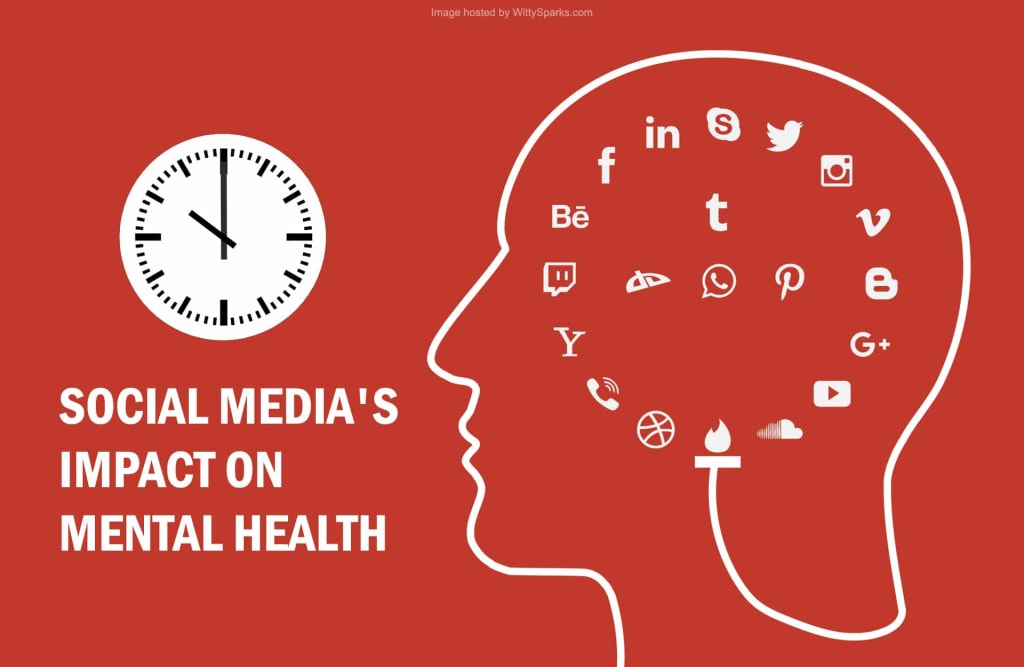
Social media has become an integral part of our daily lives, from connecting with friends and family to staying updated with news and information. However, while social media has brought many benefits, there are also concerns about its impact on mental health.
One of the main issues with social media is the lack of face-to-face interactions. In the past, people would interact with each other in person, which allowed for deeper and more meaningful connections. However, with the rise of social media, many of these interactions have moved online. While this has made it easier to stay in touch with friends and family who live far away, it has also led to a decrease in face-to-face interactions.
Research has shown that social isolation can have a negative impact on mental health. Studies have found that people who are socially isolated are more likely to develop mental health issues such as anxiety and depression. This is because social interactions provide a sense of belonging and support, which can help to reduce stress and improve mood.
In addition to the lack of face-to-face interactions, social media can also lead to feelings of inadequacy and low self-esteem. Many people use social media to present a perfect image of themselves, showcasing their best moments and achievements. This can lead to others feeling like they are not living up to the same standards, leading to feelings of inadequacy and low self-esteem.
Moreover, social media can also exacerbate existing mental health issues. For example, people with anxiety may find themselves obsessively checking their social media accounts for updates, leading to even more anxiety. Similarly, people with depression may find themselves comparing their lives to others on social media, which can worsen their symptoms.
Another issue with social media is the potential for cyberbullying. People can hide behind anonymous profiles and say hurtful things without fear of consequences. This can lead to serious mental health issues for those who are targeted. Cyberbullying can cause anxiety, depression, and even lead to suicidal thoughts.
Despite these negative impacts, social media can also be a source of support for those struggling with mental health issues. Many social media platforms have groups and pages dedicated to mental health support and awareness. These communities can provide a sense of belonging and understanding for those who are struggling.
Moreover, social media can also provide a platform for people to share their mental health experiences and raise awareness. People can use social media to share their stories, connect with others who are going through similar experiences, and advocate for mental health awareness.
However, there are steps that individuals can take to reduce the negative impact of social media on their mental health. Firstly, people should limit their time on social media. This means setting boundaries around social media use, such as only checking it at certain times of the day. Secondly, people should be mindful of the content they consume on social media. This means being selective about the accounts they follow and avoiding content that is triggering or negative.
Thirdly, people should be mindful of the content they share on social media. This means being careful about what they post and how it may affect others. It is important to remember that social media has a wide reach and that our words and actions can have a significant impact on others.
Lastly, people should seek support if they are struggling with their mental health. This could mean reaching out to friends and family, joining online mental health communities, or seeking professional help.
In conclusion, while social media has brought many benefits, there are also concerns about its impact on mental health. The lack of face-to-face interactions, the pressure to present a perfect image of oneself, the risk of cyberbullying, and the potential to exacerbate existing mental health issues are all significant concerns. However, social media can also provide a source of support and awareness for those struggling with mental health issues. It is important for individuals to be mindful of their social media use and to take steps to reduce the negative impact it may have on their mental health. With this in mind, it is possible to use social media in a way that is healthy and supportive.
One way to use social media in a positive way is to follow accounts that promote mental health and wellbeing. Many influencers and organizations use social media to raise awareness of mental health issues and provide support and resources for those in need. By following these accounts, people can get inspiration and ideas for how to take care of their mental health and learn about different types of support that are available.
Another way to use social media in a positive way is to join online communities focused on mental health. There are many groups and pages on social media dedicated to different mental health issues, such as anxiety, depression, and eating disorders. These communities provide a safe space for people to share their experiences, offer support and advice, and connect with others who are going through similar challenges.
Moreover, social media can also provide a platform for people to share their mental health stories and raise awareness. By sharing personal stories and experiences, people can help to reduce the stigma surrounding mental health and encourage others to seek support. This can help to create a more supportive and understanding society, where mental health issues are treated with the same importance as physical health issues.
However, it is important to be mindful of the content that is shared on social media. While sharing personal stories and experiences can be empowering, it is important to be aware of the potential impact it may have on others. People should be careful not to share triggering or graphic content that may be harmful to others. Moreover, people should be aware of the potential for misinformation to spread on social media, particularly around topics related to mental health. It is important to fact-check information before sharing it and to seek advice from trusted sources.
In addition to being mindful of the content that is shared on social media, it is also important to be aware of the potential impact it may have on mental health. As previously mentioned, social media can exacerbate existing mental health issues, such as anxiety and depression. Therefore, it is important to take steps to limit the negative impact that social media may have on mental health.
One way to do this is to limit the amount of time spent on social media. People can set boundaries around social media use, such as only checking it at certain times of the day or for a limited amount of time. By doing this, people can reduce the amount of time spent comparing themselves to others or engaging with triggering content.
Moreover, people can be selective about the accounts they follow on social media. It is important to follow accounts that promote positivity and support mental health and to unfollow accounts that may be triggering or negative. This can help to create a more positive social media experience that is supportive of mental health and wellbeing.
Lastly, people should seek support if they are struggling with their mental health. This could mean reaching out to friends and family, joining online mental health communities, or seeking professional help. It is important to remember that mental health issues are common and that there is no shame in seeking support. By seeking help, people can take control of their mental health and work towards recovery.
In conclusion, social media has become an integral part of our daily lives, and while it has many benefits, there are also concerns about its impact on mental health. The lack of face-to-face interactions, the pressure to present a perfect image of oneself, the risk of cyberbullying, and the potential to exacerbate existing mental health issues are all significant concerns. However, social media can also provide a source of support and awareness for those struggling with mental health issues. It is important for individuals to be mindful of their social media use and to take steps to reduce the negative impact it may have on their mental health. This can include setting boundaries around social media use, being selective about the accounts followed, seeking support, and being mindful of the content shared.
Moreover, it is essential for social media platforms to take responsibility for the impact their platforms may have on mental health. Platforms should invest in mental health resources, such as providing information and resources for users struggling with mental health issues, training moderators to recognize and respond to concerning the content, and implementing measures to prevent cyberbullying and harassment.
In recent years, social media platforms have taken steps toward addressing the impact of their platforms on mental health. For example, Instagram introduced a feature that allows users to limit the amount of time they spend on the app each day, and Facebook has developed tools to help users manage their mental health. However, there is still more that can be done to ensure social media is a positive and supportive space for all users.
In conclusion, the impact of social media on mental health is a complex issue, with both positive and negative aspects. While social media can provide a source of support and awareness for those struggling with mental health issues, it can also exacerbate existing mental health issues and contribute to negative self-image and cyberbullying. It is important for individuals to be mindful of their social media use and take steps to reduce the negative impact it may have on their mental health. Furthermore, social media platforms should take responsibility for the impact their platforms may have on mental health and invest in resources and tools to support their users. With a combined effort from individuals and platforms, social media can become a positive force for mental health awareness and support.
About the Creator
Teo Jelačić
Hi, I'm Teo Jelačić, a seasoned writer passionate about crafting compelling content that engages and inspires readers. Join me on Vocal.media for thought-provoking articles on current events, entertainment, and personal development.
Keep reading
More stories from Teo Jelačić and writers in Humans and other communities.
The science behind happiness
The pursuit of happiness is a universal desire. While happiness can be subjective and difficult to define, scientists have been studying the factors that contribute to happiness for decades. Recent research has shed new light on what makes us happy and how we can cultivate a happier life.
By Teo Jelačić3 years ago in Humans
Verizon Outage: When Silence Replaces the Signal We Trust
The moment your phone stops working, the world feels smaller. Messages do not send. Calls fail. Maps freeze. For many people, a Verizon outage is not just a technical issue. It is a sudden break in daily life. Parents worry they cannot reach their children. Workers panic about missed meetings. Travelers feel stranded, even in familiar places. We trust our phones to be there without thinking about it, until one quiet screen reminds us how fragile that trust is. This article explores what a Verizon outage really means, why it happens, how it affects real people, and what you can do when the signal disappears. Not with hype or panic, but with clarity, calm, and honesty.
By Muqadas khan5 days ago in Humans
Silver Screen Magic with Mae West
American actress and singer Mae West became a popular film actress during the Great Depression. She started entertaining in vaudeville, then performed on Broadway, and finally went to Hollywood. She signed up with Paramount Pictures and made her debut in the 1932 film “Night After Night.” She also starred in musicals, comedies, and crime dramas. The American Film Institute named her one of the best classic Hollywood actresses.
By Rasma Raisters6 days ago in Geeks



Comments
There are no comments for this story
Be the first to respond and start the conversation.