
The Impact of Social Media on Mental Health: Balancing Connectivity and Well-being
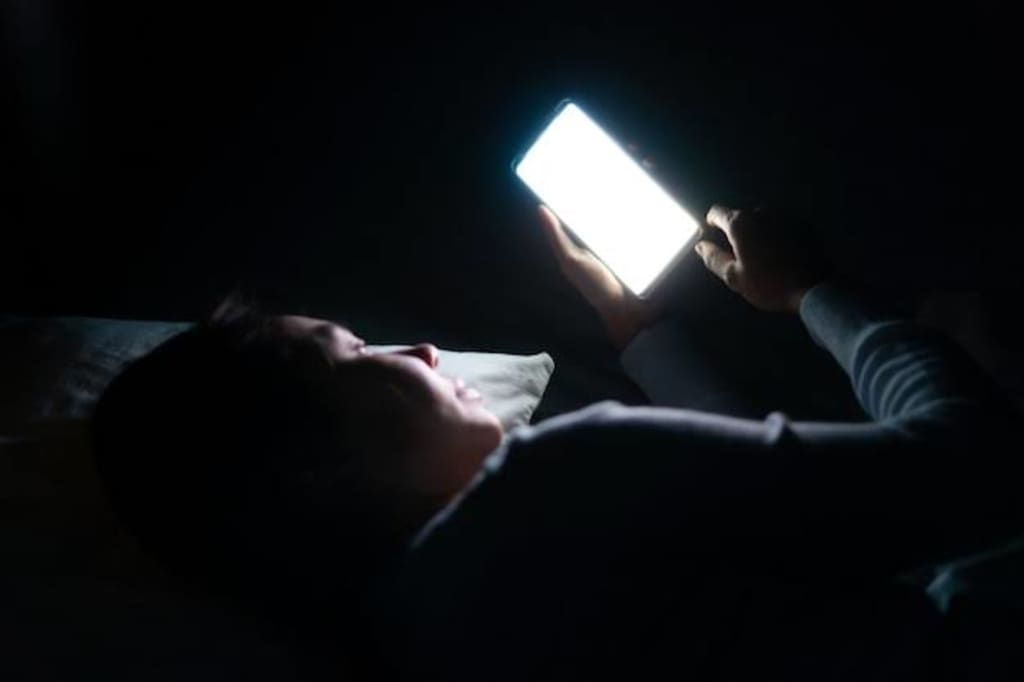
Don't spend so much time on social media

Introduction:
The advent of social media has transformed the way we communicate and connect with others in the digital era. Platforms like Facebook, Instagram, Twitter, and TikTok have become an integral part of our daily lives, offering numerous benefits. However, as social media's influence continues to grow, so does the concern about its impact on mental health. This article delves into the relationship between social media use and mental well-being, exploring both the positive and negative effects. Moreover, it aims to provide practical strategies for striking a healthy balance between online connectivity and overall mental well-being.
The Positive Aspects of Social Media on Mental Health:
1. Virtual Support Communities:
One of the most significant positive impacts of social media on mental health is the creation of virtual support communities. These platforms offer a space for individuals facing similar challenges, such as chronic illnesses, mental health issues, or personal struggles, to come together and share experiences. This fosters a sense of belonging and reduces feelings of isolation, providing invaluable emotional support to those who might not find it readily available in their offline lives.
2. Awareness and Mental Health Advocacy:
Social media has played a pivotal role in raising awareness about mental health issues. It has facilitated open and honest discussions about topics that were once taboo, breaking down the stigma surrounding mental health problems. As individuals share their stories, it encourages others to seek help and support, leading to a greater understanding of the challenges people face and the resources available to cope with them.
3. Access to Resources:
Social media platforms have become a valuable source of mental health resources, self-help tools, and educational content. These resources are easily accessible to anyone with an internet connection, providing valuable information about mental well-being, coping mechanisms, and professional assistance. Such accessibility empowers individuals to take control of their mental health journey and seek appropriate support when needed.
The Negative Impact of Social Media on Mental Health:
1. Social Comparison and FOMO:
The constant exposure to carefully curated highlight reels on social media can lead to social comparison. Individuals may perceive their lives as inadequate or inferior compared to the seemingly perfect lives of others. Additionally, the fear of missing out (FOMO) can trigger anxiety and a sense of being left out, further impacting self-esteem and well-being.
2. Cyberbullying and Online Harassment:
The anonymity afforded by social media can lead to cyberbullying and online harassment. These negative behaviors can have severe emotional consequences, causing distress, anxiety, and even depression for the victims. Addressing this issue requires a collective effort from both platform providers and users to foster a safer online environment.
3. Sleep Disruptions and Addiction:
Excessive social media use, especially before bedtime, can disrupt sleep patterns, leading to sleep deprivation and reduced overall well-being. Moreover, some individuals may develop addictive behaviors, compulsively checking their social media feeds, and experiencing withdrawal symptoms when attempting to reduce usage.
Finding Balance: Tips for Maintaining Positive Mental Health Online:
1. Limit Screen Time:
Setting specific time limits for social media use can help prevent excessive exposure and potential negative effects on mental health. Create a healthy balance between online and offline activities to prioritize self-care and well-being.
2. Curate Your Social Feed:
Unfollow accounts that trigger negative emotions and surround yourself with content that promotes positivity and well-being. Engage with content that is informative, uplifting, and supportive.
3. Engage Mindfully:
Be aware of your emotional state when using social media. Avoid mindlessly scrolling when feeling vulnerable or down, as this can exacerbate negative feelings.
4. Cultivate Offline Relationships:
Balance online interactions with meaningful face-to-face connections. Strengthening your social support system in the real world can significantly contribute to overall mental well-being.
5. Take Breaks:
Periodically disconnect from social media to recharge and focus on real-world activities that bring joy and fulfillment. Engaging in hobbies, exercise, or spending quality time with loved ones can positively impact mental health.
Conclusion:
Social media's impact on mental health is multi-faceted, with both positive and negative aspects. While it offers unique opportunities for connection and support, it also presents challenges that can affect mental well-being. Striking a balance between online connectivity and personal well-being is crucial. By adopting mindful social media habits and taking care of our mental health, we can harness the benefits of these platforms while minimizing potential negative effects. Ultimately, using social media as a tool to enhance our lives rather than letting it dominate them is key to maintaining a healthy and balanced approach to online connectivity....
About the Creator
Politetyphoon
I'm writing this article from AI bot
I think the AI is giving me good result so if you re intrested read the articles
Keep reading
More stories from Politetyphoon and writers in Humans and other communities.
Lost and Alone in the French Alps
Looking back, I can trace some of my life’s biggest adventures to a simple action from my sister. She’d introduced me to Tommy (a very long time ago), a colleague of hers, who had overshared his penchant for Italian-looking women, and I ticked that box.
By Chantal Christie Weiss20 days ago in Humans
The Longest Night: The Construction Worker, The Ledge, and the Nine-Hour Vigil
The true story of Michael O'Rourke, a construction worker who spent nine hours on a Brooklyn rooftop talking a suicidal woman down from a ledge, proving the power of simple human presence.
By Frank Massey about 23 hours ago in Humans




Comments
There are no comments for this story
Be the first to respond and start the conversation.