
The Impact of Sleep on Overall Health
Understanding the Importance of Quality Rest

Sleep is a fundamental biological need that plays a crucial role in maintaining overall health and well-being. It is a complex and dynamic process that allows the body and mind to rest, repair, and regenerate. Despite its significance, sleep is often undervalued in today's fast-paced and digitally-driven society. This article aims to explore the multifaceted impact of sleep on overall health, covering the physiological, cognitive, emotional, and behavioral aspects of sleep and its importance in different life stages.
The Physiology of Sleep
Sleep Stages: Sleep is not a uniform state but comprises distinct stages, including non-rapid eye movement (NREM) and rapid eye movement (REM) sleep. Each stage serves different physiological purposes, such as memory consolidation, tissue repair, and hormonal regulation.

Circadian Rhythms: The body's internal clock, known as the circadian rhythm, regulates the sleep-wake cycle. Disruptions to this rhythm, such as shift work or irregular sleep patterns, can have detrimental effects on health.
Hormonal Regulation: Sleep is closely linked to the regulation of hormones, including cortisol, insulin, and growth hormones, which play essential roles in metabolism, appetite, and stress response.
Cognitive Function and Sleep

Memory Consolidation: Sleep is crucial for memory consolidation, as it helps transfer information from short-term to long-term memory, enhancing learning and cognitive performance.
Attention and Focus: Inadequate sleep can impair attention, concentration, and decision-making abilities, affecting daily productivity and cognitive function.
Creativity and Problem-Solving: Quality sleep has been shown to enhance creative thinking and problem-solving skills, fostering innovation and adaptive thinking.
Emotional Regulation and Sleep

Mood and Sleep: Sleep has a bidirectional relationship with mood, where poor sleep can lead to mood disturbances, and emotional stress can disrupt sleep quality.
Mental Health: Chronic sleep deprivation is linked to an increased risk of developing mood disorders, such as depression and anxiety.
Stress and Coping: Sufficient sleep plays a significant role in managing stress and emotional resilience, allowing individuals to cope better with life's challenges.
Physical Health and Sleep

Immune Function: Sleep plays a vital role in maintaining a robust immune system, protecting the body against infections and diseases.
Cardiovascular Health: Chronic sleep deprivation is associated with an increased risk of hypertension, heart disease, and stroke.
Weight Management: Inadequate sleep disrupts hormonal regulation, leading to imbalanced appetite hormones and an increased risk of obesity.
Diabetes: Poor sleep habits can contribute to insulin resistance and an increased risk of developing type 2 diabetes.
Sleep and Age-Related Health
Sleep in Infants and Children: Sleep is crucial for growth, development, and cognitive functioning in children. Establishing healthy sleep habits early in life can have long-term benefits.
Sleep in Adolescents: Teenagers often face sleep challenges due to biological changes and lifestyle factors, which can impact their academic performance and emotional well-being.
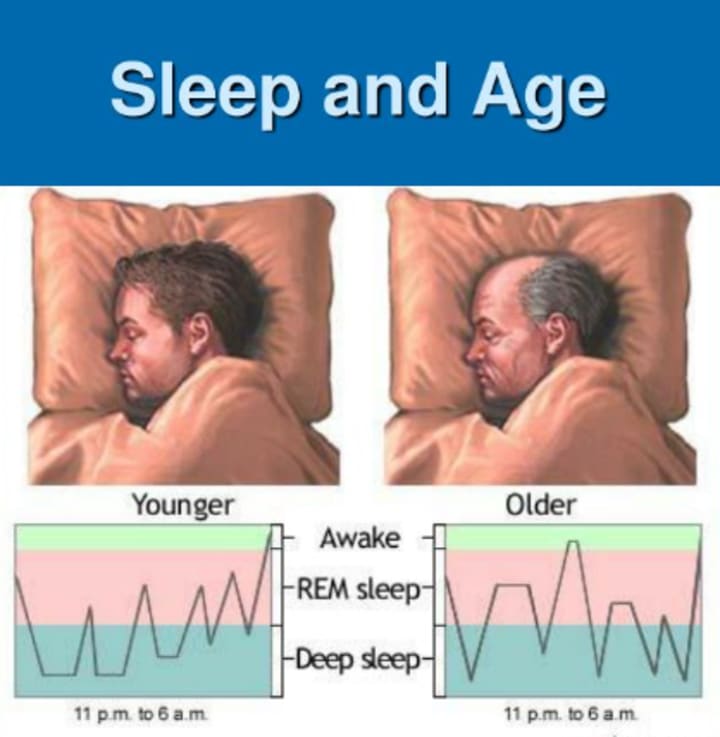
Sleep in Older Adults: Aging is associated with changes in sleep patterns, which can affect cognitive function and increase the risk of certain health conditions.
Sleep Disorders and their Impact
Insomnia: The most common sleep disorder characterized by difficulty falling asleep or staying asleep, leading to daytime impairment.
Sleep Apnea: A serious sleep disorder involving recurrent interruptions in breathing during sleep, which can lead to cardiovascular complications.
Restless Leg Syndrome (RLS): An uncomfortable sensation in the legs, causing an irresistible urge to move them, leading to sleep disruption.
Narcolepsy: A neurological disorder characterized by excessive daytime sleepiness and sudden episodes of falling asleep.
Strategies for Improving Sleep
Sleep Hygiene: Adopting healthy sleep habits and creating a conducive sleep environment.
Cognitive-Behavioral Therapy for Insomnia (CBT-I): A structured approach to treating insomnia without medication.
Lifestyle Changes: Incorporating regular exercise, stress reduction techniques, and a balanced diet to improve sleep quality.
Managing Technology: Limiting screen time before bedtime to minimize disruptions to the sleep-wake cycle.
Conclusion

Sleep is a fundamental pillar of overall health and well-being. The multifaceted impact of sleep on various aspects of life underscores its significance. Prioritizing quality sleep through healthy habits and addressing sleep disorders can lead to improved cognitive function, emotional well-being, and physical health. Recognizing the vital role of sleep in maintaining overall health should inspire individuals, healthcare professionals, and policymakers to take collective action in promoting better sleep habits and addressing sleep-related challenges in society.
About the Creator
How to Succeed at the Benson Directory®
Congratulations and welcome to the Benson Directory® employee #22391! As our newest call handler, you will have the privilege of speaking with dozens of unique and interesting people on a daily basis as well as the opportunity to earn bonuses for high performance. Contained within this handbook you will find a set of ease to follow instructions designed to help you settle in to your new role and begin paving the way to success.
By S. A. Crawford3 days ago in Fiction




Comments
There are no comments for this story
Be the first to respond and start the conversation.