
The Illusion of Free Thinking
You’re Not as Free-Minded as You Think, Here’s Why (And How to Break Free)
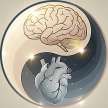

I used to believe I was a free thinker, that my opinions were my own, shaped by logic, reason, and myself! But after years of studying psychology, I realized that most of what we believe isn’t truly ours.
From the moment we’re born, we are shaped, conditioned, and influenced by the world around us.
We are absolutely convinced that our way of thinking is correct, but why? Because society has made us believe it.
We live under the illusion that we are independent thinkers, making our own choices. But in reality, for most of us, our thoughts, opinions, and beliefs are heavily influenced by governments, religions, celebrities, unqualified individuals, fake news, and society itself.
1. The Illusion of Free Thinking: Are Your Beliefs Really Your Own?
Most people assume they are free thinkers, but in reality, our beliefs are shaped long before we ever question them. From childhood, we absorb religious, political, and cultural ideas from our parents, teachers, and society. By the time we’re old enough to think critically, our minds are already programmed to see the world in a specific way.
One major reason for this is blind trust in authority. People naturally accept what they are taught by experts, leaders, or media sources. Rarely do we stop to ask:
- Who benefits from me believing this?
- Is this based on evidence, or just repetition?
Another reason is the brain’s built-in defense mechanism against change. When faced with facts that challenge a belief, we don’t automatically reconsider. Instead, our minds:
- Dismiss the new information as wrong or biased
- Find a way to reinterpret it to fit what we already believe
- Avoid engaging with sources that contradict our worldview
This is why two people can look at the same facts and reach completely different conclusions, because they were conditioned differently.
If your beliefs were shaped before you could think critically, are they really yours? Or are you just repeating what you’ve been told?
True free thinking comes from questioning everything.
2.The Inherited Belief Trap: How Most of Your Ideas Were Given to You
I used to think my beliefs were my own, shaped by my reasoning and life experiences. But after studying how people form opinions, I realized something unsettling: most of what I believe was handed to me by others.
From the moment we are born, we are surrounded by ideas that we absorb without even noticing. Our parents pass down their religious, political, and moral beliefs before we are old enough to understand them. Schools teach us what to think, not how to think. And society sets invisible rules, making sure we accept certain values as “normal” without ever questioning them.
What's wrong with that? You believe you are thinking for yourself, but you’re actually repeating what you’ve absorbed from the world around you.
Why People Rarely Question Their Inherited Beliefs
- Familiar ideas feel “right.” The brain is wired to prefer what it already knows, so old beliefs feel true, even when they’re false.
- Questioning feels like betrayal. Challenging religious or political beliefs can make you feel like you’re turning against your family, culture, or community.
- Doubt is uncomfortable. Most people avoid questioning their beliefs because it’s easier to stay in the comfort of certainty.
How to Escape the Inherited Belief Trap
- Make a list of your strongest beliefs. Ask yourself: Did I logically choose this, or was it given to me?
- Expose yourself to opposing viewpoints. Read books and articles from people you disagree with.
- Realize that questioning doesn’t mean rejecting. You can explore new ideas without abandoning your identity.
If you never question your beliefs, you’ll never know if they’re truly yours.
3.Social Conditioning: How Culture and Media Shape Your Thinking Without Consent
Most people assume they form their beliefs through reason and personal experience. But what if the way you think has been decided for you? From birth, your culture, media, and education shape your perception of reality, often without your awareness. This process is called social conditioning, and it’s designed to make you fit into the system rather than question it.
How Social Conditioning Works
- Culture shapes your values before you even understand them.
What’s considered "normal" is just what you were raised to accept. In some societies, obedience is seen as a virtue; in others, questioning authority is encouraged. Your sense of right and wrong isn’t universal, it’s learned.
- The media filters what you see and what you ignore.
You don’t get to decide what’s important, the news, movies, and social platforms decide for you. They control which issues get attention and which are buried. When a story is told repeatedly in a certain way, you begin to believe that’s the only way to see it.
- Repetition rewires your brain.
If you hear something often enough, your brain accepts it as truth, whether it is or not. Historical narratives, political ideologies, and even moral values are shaped this way. What you accept as “facts” might just be well-rehearsed stories.
This is dangerous because you mistake what is common for what is true, you assume the media presents facts instead of perspectives, and you end up defending beliefs, ideas, or ideologies that were never truly yours to begin with.
How to Break Free from Social Conditioning
- Question what you've been taught. Ask yourself: "Who taught me this? Why did they teach it? How did they learn it? What was their source? And who benefits from me believing this?"
- Look beyond your culture. What seems “normal” to you might seem strange somewhere else.
- Limit media influence. The less time you spend absorbing pre-packaged opinions, the more you think for yourself.
If society shaped the way of your thinking and beliefs, how can you really call them your own?
4.The Authority Effect: Why Humans Trust Leaders Without Questioning
People tend to trust authority figures, even when they are wrong. This is called the authority bias, a mental shortcut that makes us accept information without questioning it, simply because it comes from someone in power.
What happens next? Many follow leaders, religious figures, and media personalities blindly, without verifying facts for themselves.
How the Authority Effect Controls Beliefs
- People trust titles, not truth.
If someone is labeled as an “expert” or a “leader,” their words are often believed automatically, even when they are false.
Example: Many self-proclaimed “health experts” spread misinformation Corona-19, but people trust them because of their credentials.
- Fame creates credibility.
The more well-known a person is, the more people assume they must be right.
Example: Celebrities influence opinions on politics, science, and health, even when they have no real expertise.
A 2024 Newsweek poll found that 18% of voters are more likely to vote for a candidate if Taylor Swift supports them. This means about one in five Americans might follow her choice.
- Obedience to authority is socially rewarded.
Many cultures teach that questioning leaders is disrespectful or rebellious, even when those leaders are corrupt or wrong.
Example: Religious followers are often discouraged from doubting their spiritual leaders because skepticism is seen as weakness.
This is very dangerous because it allows false ideas to spread unchecked, makes people defend authority figures instead of questioning them, and turns leaders into untouchable figures, no matter how wrong they are.
How to Break Free from the Authority Effect
- Always fact-check, no matter who says something. Truth isn’t based on titles, it’s based on evidence.
- Judge ideas, not status. A leader can be just as wrong as an anonymous person online.
- Ask yourself: “Would I still believe this if someone else had said it?”
The next time you hear a claim from a public figure, research it as if they had no title or status. See if the argument still holds up.
A true thinker doesn’t follow authority, they follow logic.
5. Cognitive Biases That Trick You Into Believing You’re Right
Most people assume they believe things because they are true. But what if your brain is tricking you? The mind is full of cognitive biases, mental shortcuts that create the illusion of certainty, even when someone is completely wrong.
The outcome? People become trapped in their own thinking, defending false beliefs without realizing they are being misled by their own brains.
The Three Biggest Cognitive Biases That Control Thinking
1.Confirmation Bias: The Brain Ignores Information That Contradicts Beliefs
People don’t actively seek truth, they seek validation. Instead of analyzing all the facts, they look for information that supports what they already believe.
Example: We all have seen this many times, a religious person only reads books that confirm their faith, ignoring scientific evidence that contradicts it.
2.The Dunning-Kruger Effect: The Less You Know, the More Confident You Feel
The more inexperienced someone is, the more they overestimate their knowledge. Meanwhile, real experts tend to doubt themselves because they understand how complex things truly are.
Example: Someone who watches a few YouTube videos about investing suddenly thinks they know more than professional traders.
3.The Backfire Effect: When People Believe Even More After Being Proven Wrong
Instead of changing their minds when confronted with facts, some people double down on their beliefs. Why? Because admitting they were wrong feels like an attack on their identity.
Example: Conspiracy theorists become even more convinced when shown evidence debunking their claims, believing it’s part of a cover-up.
This is dangerous because you trust emotions over facts, you become too stubborn to have rational discussions, and you stay mentally trapped in false ideas without realizing it.
How to Break Free from Cognitive Biases
- Seek out information that challenges your views. If your belief is strong, it will survive criticism.
- Be comfortable admitting when you’re wrong. It’s a sign of intelligence, not weakness.
- Always ask: “What would convince me I’m wrong?” If the answer is “nothing,” that’s a problem.
Pick one of your beliefs and research the best arguments against it. See if your opinion holds up under scrutiny.
Thinking you’re right doesn’t mean you are!
6. The Danger of Groupthink: Why People Conform Even When They Know It’s Wrong
Most people like to believe they would stand up for the truth when faced with false information. But in reality, human nature pushes us to conform, even when we know something is partially wrong. This is called groupthink, and it’s one of the most powerful forces shaping people’s beliefs.
What happens next? People follow the crowd, even when logic tells them not to.
How Groupthink Silences Independent Thinking
- Fear of Rejection
Nobody wants to be seen as the outsider. Many stay silent to avoid conflict, even when they disagree.
Example: A person in a religious community has doubts and might want to ask a simple question like “How can our religion be the only true religion if it allowed slavery for centuries?” but stays quiet to avoid being labeled a “non-believer.”
- The Illusion of Majority Agreement
If everyone around you believes something, your brain, in most cases, assumes it must be true, even if it’s not.
Example: A political movement repeats the same message so often that people accept it as fact without questioning.
- Social Punishment for Dissent
Throughout history, societies have attacked and isolated those who challenge dominant beliefs.
Example: Scientists and thinkers were once exiled, imprisoned, or even executed for questioning widely accepted (but false) ideas.
Groupthink is dangerous because it stops people from questioning bad ideas, it allows harmful ideologies to survive for generations, and it punishes those who think differently instead of rewarding critical thinking.
How to Break Free from Groupthink
- Dare to think independently. If an idea is strong, it will survive criticism.
- Surround yourself with diverse perspectives. Avoid hearing only one side of an issue.
- Be willing to be the “outsider” when necessary. Truth doesn’t depend on popularity.
The next time you feel pressure to agree with a group, pause and ask yourself: “Do I actually believe this, or am I just going along with it?”
True thinkers don’t follow the crowd, they question it.
7. The Comfort of Certainty: Why the Brain Prefers Belief Over Truth
Humans crave certainty. It makes the world feel predictable and safe. But certainty is also a mental trap, one that leads people to cling to false beliefs rather than embrace the discomfort of not knowing. The brain prefers a wrong answer over no answer, which is why many people believe things simply because they “feel” true, not because they actually are.
The result? People mistake emotional comfort for truth.
Why the Brain Fears Uncertainty
- The Survival Instinct
In ancient times, uncertainty meant danger, so the brain evolved to seek clear, fast conclusions.
Example: Early humans invented myths and superstitions to explain natural events before science existed.
- Cognitive Ease: The Brain is Lazy
Thinking deeply is hard work, so the brain takes shortcuts to save energy.
Example: If an idea is simple and familiar, people accept it faster than complex, nuanced truths.
- Emotional Security: People Want to Feel in Control
Uncertainty creates anxiety, so people cling to rigid beliefs for emotional comfort.
Example: Many religions promise absolute answers about life and the afterlife, making them psychologically appealing.
It is dangerous because it makes people reject new evidence that feels threatening, it stops them from questioning their own beliefs, and it creates mental rigidity, making intellectual growth harder.
How to Embrace Uncertainty and Think More Clearly
- Accept that it’s okay to not have all the answers. Truth could take time to uncover.
- Resist the urge to believe something just because it “feels right.”
- Stay curious. Instead of clinging to beliefs, train your mind to always seek better explanations, ask over and over WHY?
The next time you feel certain about something, ask yourself: “Do I believe this because it’s true, or because it makes me feel comfortable?”
The strongest minds are not the ones who "know everything", they are the ones willing to say, “I don’t know yet.”
8. How to Break Free and Truly Think for Yourself
Now that you know how society, authority, biases, and emotions influence your thinking, the next step is to reclaim your mind. Independent thinking isn’t about rejecting everything, it’s about questioning everything before accepting it.
The outcome? You develop true mental freedom, choosing your beliefs based on reason, not manipulation.
Steps to Start Thinking for Yourself
- Question Your Strongest Beliefs
Ask yourself: “If I had grown up in a different culture, would I still believe this?”
If the answer is no, then your belief is probably a product of conditioning, not truth.
- Challenge the Information You Consume
Every time you see a claim, ask:
Who benefits from me believing this?
Is this backed by logic, or just emotion?
What’s the best argument against it?
- Train Yourself to Be Comfortable with Uncertainty
Instead of clinging to rigid beliefs, develop a mindset of:
“I’m open to changing my mind if better evidence appears.”
“I’d rather have no answer than believe a wrong one.”
- Reduce External Influence Over Your Thinking
Social media, news, and cultural norms constantly push opinions onto you, limit your exposure.
Spend more time reading diverse sources and thinking alone, without distractions.
What Happens When You Start Thinking Independently?
This is powerful because you become mentally stronger, your beliefs are tested, not blindly accepted, you gain true confidence, knowing you’re thinking for yourself, not just following the crowd, and you open the door to real truth, because you stop filtering the world through pre-programmed biases.
Thinking for yourself isn’t easy, but it’s the only path to true freedom.
What’s one belief you’ve recently questioned? Let me know in the comments!
About the Creator
Beyond The Surface
Master’s in Psychology & Philosophy from Freie Uni Berlin. I love sharing knowledge, helping people grow, think deeper and live better.
A passionate storyteller and professional trader, I write to inspire, reflect and connect.
Keep reading
More stories from Beyond The Surface and writers in Humans and other communities.
The 4 Rules That Make Conversation Feel Effortless
Most people think talking is easy (until they find themselves in the middle of an awkward silence). Suddenly, the words vanish. You forget how to start, how to move things forward, or worse, how to end it gracefully.
By Beyond The Surface9 months ago in Humans
I Don't Need My Phone... Wait, Is That Actually True?
My parents gave me my first cell phone when I was twelve years old. It wasn't a fancy iPhone or anything, not even close. Just a simple black flip phone for when I needed to call or text them after school.
By Madison "Maddy" Newton24 days ago in Humans
Beyond Ordinary Bonds: Unpacking the Subtle Layers That Set Kindred Spirits Apart from Lifelong Best Friends.
In the landscape of human relationships, few connections feel as comforting and profound as a true best friend or a kindred spirit. Both offer loyalty, laughter, support, and shared history, yet beneath the surface lies a hidden distinction that many overlook until they experience it firsthand. A best friend is built through time, shared experiences, trust, and mutual effort, while a kindred spirit arrives with an almost mystical sense of recognition—as if your souls have known each other across lifetimes or simply vibrate on the exact same frequency from the first moment.
By Wilson Igbasia day ago in Humans
REEEEEEEEE!
I'm on a low road right now. There are a literal million things to do and not one of them worth my time. I would rather sit in place and burn but the orbit takes me on its inevitable route 'round the center; and I a center in my own right, around which others orbit, and so on and so forth, ad infinitum, ad nauseum.
By C. Rommial Butler7 days ago in Poets



Comments (1)
Fascinating! I gotta start questioning my beliefs! I want to do that for a long time. Thanks for the motivation.