
The History of Puerto Rico: From Colonization to U.S. Territory

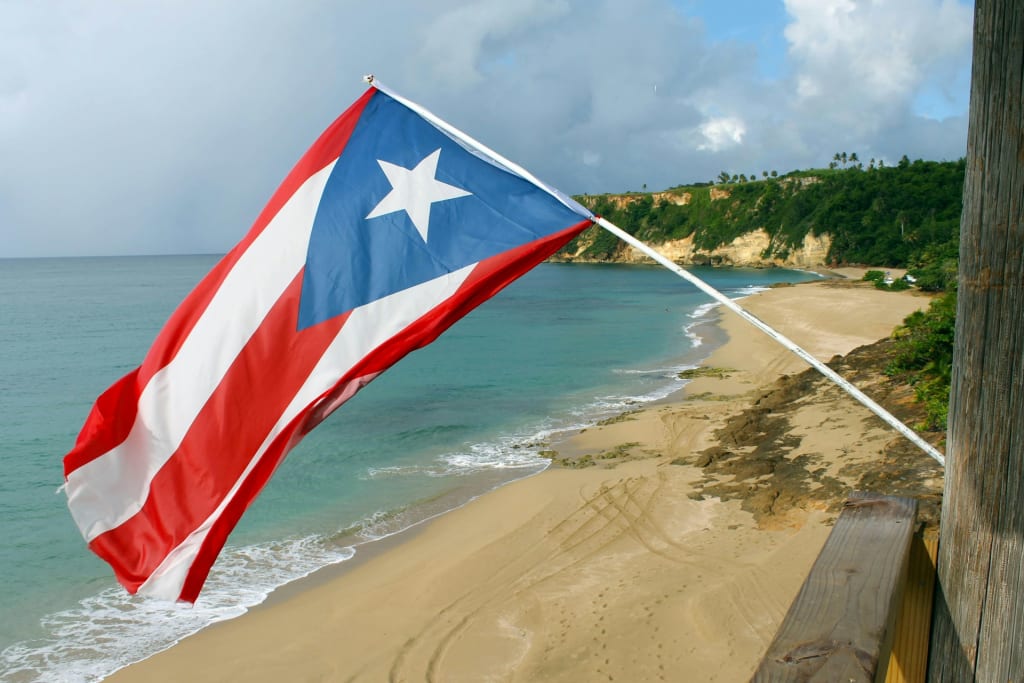
Since so many people have seemed to have forgotten what they should have learned in 8th grade social studies, and in light of the controversy of Bad Bunny, here is a little short primer on Puerto Rico. Please feel free to share with your friends who have also forgotten.
Introduction
Puerto Rico, an island in the Caribbean with a rich and complex history, has long been shaped by the influences of colonial powers. Today, it is an unincorporated territory of the United States, and its political status continues to be a subject of debate and discussion. Understanding how Puerto Rico became a U.S. territory and the implications of this status requires a look into its past, from indigenous beginnings through colonial rule and the events that led to its present-day relationship with the United States.
Early History: Indigenous Peoples and Spanish Colonization
Before European arrival, Puerto Rico was home to the Taíno people, an indigenous group who called the island "Borikén." In 1493, Christopher Columbus arrived on his second voyage to the Americas, claiming the island for Spain and naming it "San Juan Bautista." Spanish colonization began in 1508, led by Juan Ponce de León. Over the next several centuries, Puerto Rico became a strategic military outpost for Spain, faced repeated attacks from other European powers, and underwent significant social and economic changes. The native population suffered greatly due to disease, forced labor, and cultural upheaval.
Spanish Rule and the Path to Change
Puerto Rico remained under Spanish rule for over 400 years. During this period, the island's economy was based on agriculture, particularly sugar, coffee, and tobacco. In the 19th century, the push for greater autonomy intensified, with local uprisings like El Grito de Lares in 1868, although these were ultimately suppressed. In 1897, Spain granted Puerto Rico a degree of autonomy, establishing a local parliament, but this was short-lived.
The Spanish-American War and U.S. Acquisition
The turning point for Puerto Rico came with the Spanish-American War in 1898. The conflict, fueled by U.S. interests in the Caribbean and Pacific, resulted in Spain's defeat. Under the Treaty of Paris, signed in December 1898, Spain ceded Puerto Rico, along with Guam and the Philippines, to the United States. The U.S. military quickly took control of the island, ushering in a new era of governance.
Becoming a U.S. Territory
After the war, Puerto Rico was governed by the U.S. military until the Foraker Act of 1900 established a civilian government. This act defined Puerto Rico as an "unincorporated territory," meaning it was controlled by the United States but not fully part of it. Puerto Ricans were not granted U.S. citizenship until the Jones-Shafroth Act of 1917, which also restructured the island's government. Despite these changes, Puerto Rico did not gain the same rights as U.S. states, and Congress retained ultimate authority over its laws and governance.
Modern Political Status and Implications
Today, Puerto Rico remains an unincorporated territory of the United States. Its residents are U.S. citizens but cannot vote in presidential elections and have only a non-voting representative in Congress. Puerto Rico has its own constitution and local government, but federal law often takes precedence. The territory's status affects everything from federal funding and disaster relief to economic development and self-determination. Debates over statehood, independence, and enhanced commonwealth status continue to shape the island's politics.
What It Means to Be a U.S. Territory
Being a U.S. territory has significant implications for Puerto Rico and its people. While citizenship and certain legal protections are provided, limitations exist in representation and sovereignty. Economic challenges, such as restricted access to federal programs and higher poverty rates, persist. The relationship with the mainland is complex, with many Puerto Ricans advocating for different futures: some for statehood, others for independence, and others for maintaining or modifying the current status.
Conclusion
The history of Puerto Rico is one of resilience and change, shaped by colonization, war, and evolving political status. Its journey from indigenous homeland to Spanish colony and, eventually, to U.S. territory has left lasting impacts. Today, Puerto Rico navigates the challenges and opportunities of its unique relationship with the United States, as debates over its future continue to reflect the island's diverse perspectives and rich heritage.
-Julie O’Hara
THANK YOU for reading my work. I am a global nomad/permanent traveler, or Coddiwombler, if you will, and I move from place to place about every three months. I am currently in Peru and heading to Chile in a few days and from there, who knows? I enjoy writing articles, stories, songs and poems about life, spirituality and my travels. You can find my songs linked below. Feel free to like and subscribe on any of the platforms. And if you are inspired to, tips are always appreciated, but not necessary. I just like sharing.
YouTube Top Song List.
https://www.YouTube.com/results?search_query=julia+o%27hara+top+songs
Amazon PlayList
https://www.amazon.com//music/player/artists/B0D5JP6QYN/julia-o'hara
Spotify PlayList
https://open.spotify.com/artist/2sVdGmG90X3BJVn457VxWA
You can also purchase my books here:
https://www.lulu.com /spotlight/julie-ohara
I am also a member of Buy Me A Coffee – a funding site where you can “buy me a cup of coffee.”
https:www.buymeacoffee.com/JulieOHara
-Julie O’Hara
THANK YOU for reading my work. I am a global nomad/permanent traveler, or Coddiwombler, if you will, and I move from place to place about every three months. I am currently in Peru and heading to Chile in a few days and from there, who knows? I enjoy writing articles, stories, songs and poems about life, spirituality and my travels. You can find my songs linked below. Feel free to like and subscribe on any of the platforms. And if you are inspired to, tips are always appreciated, but not necessary. I just like sharing.
YouTube Top Song List.
https://www.YouTube.com/results?search_query=julia+o%27hara+top+songs
Amazon PlayList
https://www.amazon.com//music/player/artists/B0D5JP6QYN/julia-o'hara
Spotify PlayList
https://open.spotify.com/artist/2sVdGmG90X3BJVn457VxWA
You can also purchase my books here:
https://www.lulu.com /spotlight/julie-ohara
I am also a member of Buy Me A Coffee – a funding site where you can “buy me a cup of coffee.”
https:www.buymeacoffee.com/JulieOHara
About the Creator
Julie O'Hara - Author, Poet and Spiritual Warrior
Thank you for reading my work. Feel free to contact me with your thoughts or if you want to chat. [email protected]
Keep reading
More stories from Julie O'Hara - Author, Poet and Spiritual Warrior and writers in Humans and other communities.
Beware the Ride: A Cautionary Tale of Santiago's Taxi Troubles
You’ve just landed in Chile’s bustling capital, Santiago, ready for adventure, empanadas, and a little bit of Latin flair. But before you even grab your luggage, the airport greets you with something less festive: an ominous audio loop warning you, in case you missed the memo, to beware of rogue taxi scammers lurking on the streets. If you thought that was overly dramatic, buckle up ... your wallet (and patience) are about to go for a wild ride.
By Julie O'Hara - Author, Poet and Spiritual Warrior4 months ago in Humans
Autonomy Is The Real Privilege
Good morning, freedom-seekers! Today we’re gonna be looking at autonomy. A strange word, I know; one many would probably look at blankly and run away from on sight. We’re gonna figure out what it actually means, consider how it’s achieved, and decipher just how deeply most of us are tangled up in dependence without realising it.
By That ‘Freedom’ Guy5 days ago in Humans
Signs You Were Labeled Difficult but Were an Indigo Child.
Many people grow up labeled difficult. Teachers complain. Adults correct behavior. Authority feels tense. Yet the issue often lies in sensitivity and awareness. Indigo children show traits rooted in perception and integrity. These traits clash with rigid systems. Understanding reframes the past.
By Wilson Igbasi3 days ago in Humans



Comments
There are no comments for this story
Be the first to respond and start the conversation.