
THE HIDDEN EPIDEMIC
Why Childhood Trauma is a Public Health Emergency
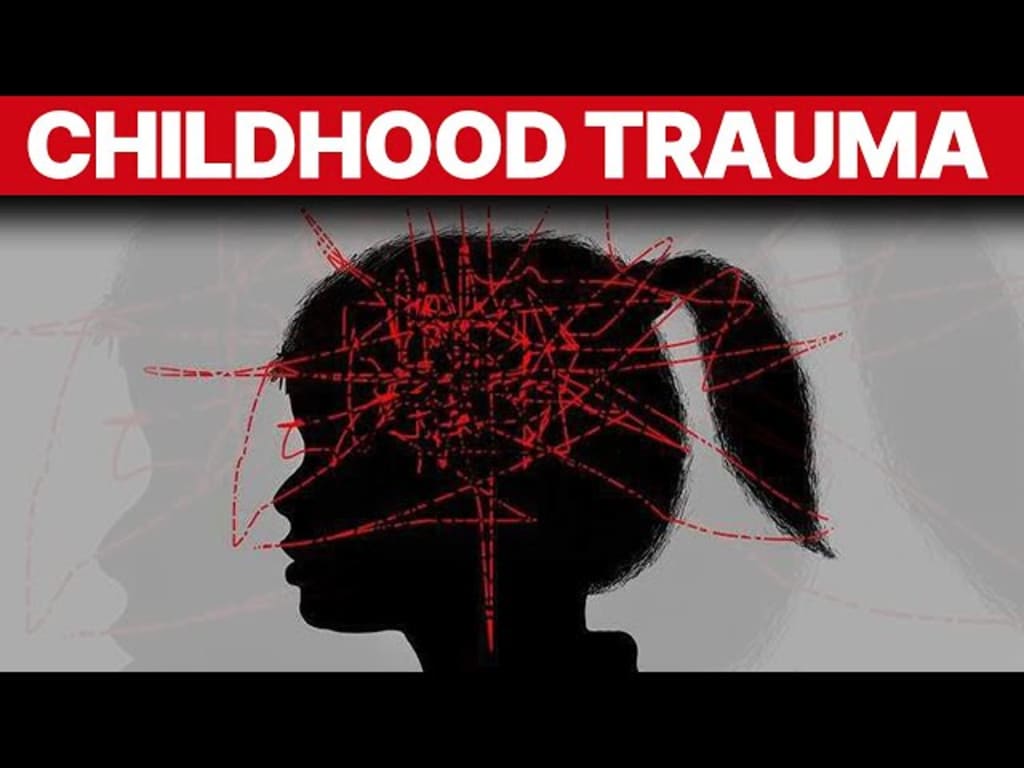
In the mid-1990s, a groundbreaking discovery quietly shook the foundations of public health. The Centers for Disease Control (CDC) and Kaiser Permanente uncovered a powerful link between early childhood trauma and the leading causes of death in the United States. It wasn’t a virus. It wasn’t a new environmental toxin. It was something far more personal—and far more common. It was childhood trauma.
What Is Childhood Trauma, Really?
When we talk about childhood trauma, we’re not referring to failing a math test or losing a game. The kind of trauma with lifelong health consequences includes experiences that are severely threatening, pervasive, and overwhelming to a child’s sense of safety. These include physical, emotional, or sexual abuse, neglect, witnessing domestic violence, or growing up in a home affected by mental illness, substance dependence, or incarceration.
These early-life adversities are collectively known as ACEs—Adverse Childhood Experiences—and the science shows they can change everything.
The ACE Study: A Wake-Up Call for the Nation
The Adverse Childhood Experiences Study, led by Dr. Vince Felitti and Dr. Robert Anda, surveyed 17,500 adults and asked about their childhoods. For each adverse experience, they received one point on their ACE score.
What they found was astonishing: 67% of people had at least one ACE. One in eight had four or more. The study revealed a powerful "dose-response" relationship—meaning the more ACEs someone experienced, the greater their risk for serious health conditions later in life.
People with high ACE scores were:
2.5 times more likely to develop chronic obstructive pulmonary disease (COPD)
4.5 times more likely to suffer from depression
12 times more likely to attempt suicide
3 times more likely to develop lung cancer
3.5 times more likely to experience heart disease, the leading cause of death in the U.S.
And these outcomes weren’t just a result of “bad behavior” like smoking or drinking to cope. The science now shows that early trauma actually reshapes how our brains and bodies develop.
How Trauma Gets Under the Skin
Repeated exposure to toxic stress in childhood can fundamentally alter a child’s biology. It disrupts the development of the brain and weakens the immune, hormonal, and even genetic systems. Areas like the amygdala (our fear response center), the prefrontal cortex (involved in decision-making and self-control), and the nucleus accumbens (linked to addiction) are all affected.
And it’s not just about mental health or behavior. Even individuals who avoid high-risk behavior like substance use or poor diet still show increased rates of diseases like cancer and heart disease. Why?
The answer lies in the body’s stress response system—the hypothalamic-pituitary-adrenal (HPA) axis. This system helps us survive immediate threats. But when the “bear” comes home every night—when a child is repeatedly exposed to trauma—the system becomes overactive, pumping out stress hormones like cortisol nonstop. Over time, this wears down the body’s systems, setting the stage for chronic illness.
One Doctor’s Wake-Up Call
Dr. Nadine Burke Harris, a pediatrician trained in one of the top hospitals in Northern California, encountered this issue firsthand while working in one of San Francisco’s most underserved neighborhoods, Bayview-Hunters Point. There, she began noticing a disturbing trend: many children were being referred to her for ADHD, but their symptoms didn’t quite fit.
Digging deeper, she discovered that these children had lived through intense trauma. It wasn’t a behavioral disorder—it was toxic stress.
Burke Harris began reading every piece of science she could find on the subject, eventually coming across the ACE Study. That day changed her life and medical practice forever.
From Data to Action: The Center for Youth Wellness
Realizing the need for a new approach to medicine, Dr. Burke Harris founded the Center for Youth Wellness in San Francisco. The goal? To prevent, screen, and treat toxic stress in children using a public health model.
At the center, every child is screened for ACEs during routine checkups. If a child has a high ACE score, they receive comprehensive care from a team of pediatricians, mental health professionals, social workers, and other specialists. The interventions may include:
In-home visits
Mental health support
Nutritional guidance
Holistic healing techniques
Medications, when necessary
And importantly, parents are educated about the effects of trauma—just like they would be about choking hazards or lead exposure.
Why Aren’t We All Doing This?
Despite the overwhelming evidence, routine screening for ACEs has yet to be adopted as a standard medical practice. Dr. Burke Harris once believed that once this data became widely known, it would transform healthcare overnight. Instead, she found that it requires more than just science—it requires a movement.
Why? Because this isn’t just about "those" kids in "those" neighborhoods. This is about all of us.
The original ACE study was conducted on a predominantly white, college-educated, middle-class population. Trauma does not discriminate by zip code. Many of us grew up with a mentally ill parent, an alcoholic guardian, or harsh physical discipline—and yet the stigma around discussing it keeps the issue in the shadows.
This Is Treatable. This Is Preventable.
There’s good news: we can do something about it. Just as we’ve made strides against public health threats like HIV/AIDS, lead poisoning, and tobacco use, we can take on childhood trauma. But it requires shifting our mindset.
We need:
Routine ACE screening in pediatric care
Multidisciplinary treatment teams in clinics
Trauma-informed schools and communities
More education for medical professionals
Public health campaigns to reduce stigma
And above all, we need the courage to look this issue in the face and say: “This is real. This affects all of us. And we can fix it.”
We Are the Movement
The effects of childhood trauma are no longer a mystery. The science is here. The tools are available. What we need now is willpower, commitment, and compassion.
Because when we act early, we don’t just save lives—we change them.
About the Creator
Keep reading
More stories from Kreative William 254 and writers in Humans and other communities.
ADDICTION ISNT THE ENEMY
For a century now, the world has been waging a war against addiction — a battle filled with punishment, stigma, and fear. But what if everything we thought we knew about addiction is wrong? What if the real answer isn’t more control, more punishment, or more shame — but more love, understanding, and human connection?
By Kreative William 25411 months ago in Humans
10 Things I Consider Micro-Cheating
1. Hiding Messages From Your Partner If someone feels the need to hide chats, delete messages, or quickly switch screens when their partner comes near, it usually means something is wrong. In healthy relationships, communication is open and transparent. While everyone deserves privacy, secrecy about certain conversations can signal that boundaries are being crossed.
By The Story Scribeabout 20 hours ago in Humans


Comments
There are no comments for this story
Be the first to respond and start the conversation.