
The Health Benefits of Spending Time Outdoors: Exploring Nature Therapy
How Nature Therapy Can Help Improve Your Physical and Mental Health
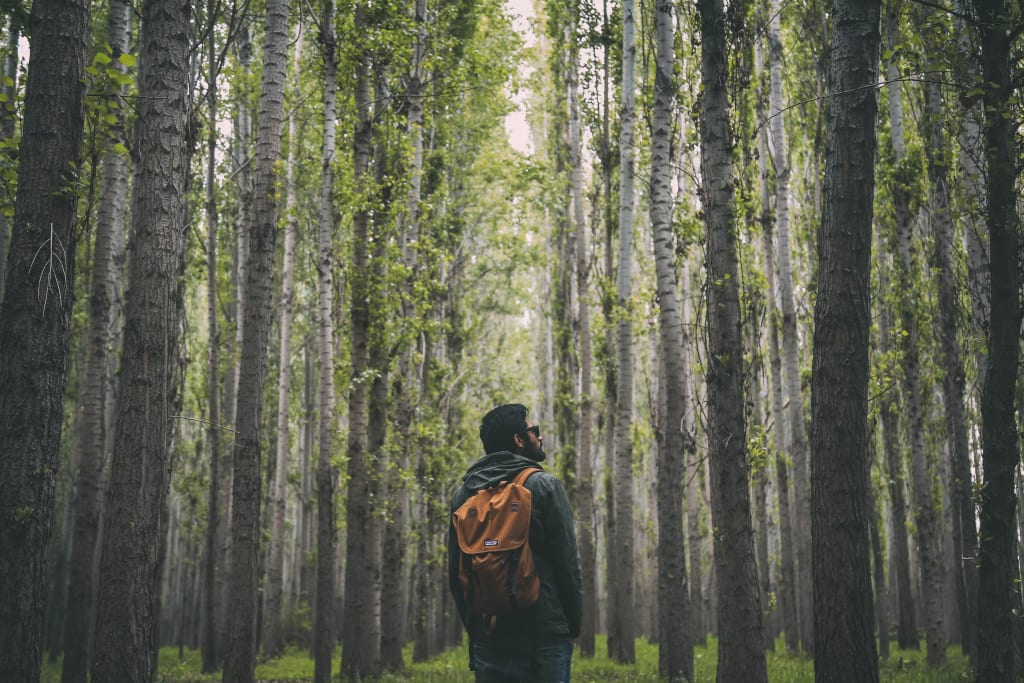
Nature therapy, also known as ecotherapy or green therapy, is a form of treatment that involves spending time outdoors in natural environments to improve physical and mental health. This approach to healing has gained popularity in recent years, as more people are recognizing the restorative benefits of nature.
In this article, we will explore how nature therapy can help improve your physical and mental health.
Reduced Stress and Anxiety
One of the main benefits of nature therapy is its ability to reduce stress and anxiety. Research has shown that spending time in nature can lower cortisol levels, which is the hormone associated with stress. Nature therapy has also been shown to reduce symptoms of anxiety and depression.
Improved Physical Health
In addition to its mental health benefits, nature therapy can also improve physical health. Spending time outdoors has been linked to reduced blood pressure, improved immune function, and increased physical activity.
Boosted Mood and Cognitive Function
Another benefit of nature therapy is its ability to boost mood and cognitive function. Being in nature has been shown to improve memory, attention, and creativity. It can also lead to feelings of happiness and well-being.
Different Ways to Engage in Nature Therapy
There are several different ways to engage in nature therapy, including hiking, camping, gardening, and even simply spending time in a park or green space. Studies have shown that spending just 20 minutes in nature can have a positive impact on mood and cognitive function.
Here are some ways to incorporate nature therapy into your daily life:
Take a walk in a park or nature reserve.
Go for a hike or bike ride in the woods or mountains.
Start a garden, whether it be a vegetable garden or a flower garden.
Spend time near water, such as a lake or ocean.
Go camping or plan a nature retreat.
Participate in outdoor sports or activities, such as kayaking or rock climbing.
Take up birdwatching or nature photography.
Attend outdoor yoga or fitness classes.
Have a picnic or outdoor meal.
Take a break from technology and spend time outdoors without distractions.
Precautions and Safety Measures
While nature therapy can be an excellent way to improve physical and mental health, it's essential to take precautions and follow safety measures when engaging in outdoor activities. Here are some tips:
Wear appropriate clothing and footwear for the weather and terrain.
Use sunscreen and bug spray to protect your skin.
Bring enough water and snacks to stay hydrated and energized.
Let someone know where you are going and when you plan to return.
Be aware of your surroundings and stay alert for potential hazards, such as wildlife or uneven terrain.
Respect nature and leave no trace, taking care to clean up after yourself and not disturb the environment.
Overall, nature therapy is a valuable tool for improving physical and mental health. By spending time outdoors and engaging with nature, individuals can reap numerous benefits and enhance their overall well-being. Incorporating nature therapy into your daily routine can be as simple as taking a walk in the park or starting a garden, making it accessible to people of all ages and abilities.
Research on Nature Therapy
Numerous studies have shown the benefits of nature therapy for physical and mental health. For example, a study published in the Journal of Environmental Psychology found that spending time in nature can lead to decreased symptoms of anxiety and depression, improved mood, and increased feelings of well-being. Another study published in the Journal of Physiological Anthropology found that forest therapy, or Shinrin-yoku, can lower blood pressure, reduce cortisol levels, and improve immune function.
Additionally, a study published in the International Journal of Environmental Health Research found that gardening can have positive effects on mental health, including reduced symptoms of anxiety and depression. Similarly, a study published in the Journal of Health Psychology found that spending time in nature can lead to improved cognitive function and memory.
Final Thoughts
Nature therapy is a simple and effective way to improve physical and mental health. By spending time outdoors and engaging with nature, individuals can reduce stress and anxiety, improve physical health, and boost mood and cognitive function. Whether it's a hike in the woods or a walk in the park, nature therapy can provide numerous benefits for people of all ages and abilities.
Conclusion
Nature therapy is a simple yet powerful way to improve physical and mental health. By spending time outdoors and engaging with nature, individuals can reduce stress and anxiety, improve physical health, and boost mood and cognitive function. Whether it's a hike in the woods or a walk in the park, incorporating nature therapy into your self-care routine can have a lasting positive impact on your overall well-being
About the Creator
Keep reading
More stories from Shahinsha Shamon and writers in Humans and other communities.
"Natural Remedies: Holistic Solutions for Everyday Health Issues"
When you’re feeling unwell, it can be tempting to reach for over-the-counter medications to ease your symptoms. However, these medications often come with side effects and can be expensive in the long run. If you’re looking for a more natural approach to managing common ailments, there are several tried and tested natural remedies that you can try.
By Shahinsha Shamon3 years ago in Humans




Comments
There are no comments for this story
Be the first to respond and start the conversation.