
The Gene: An Intimate History
A quick review of The Gene: An Intimate History gives a sample of what the book covers.

Introduction
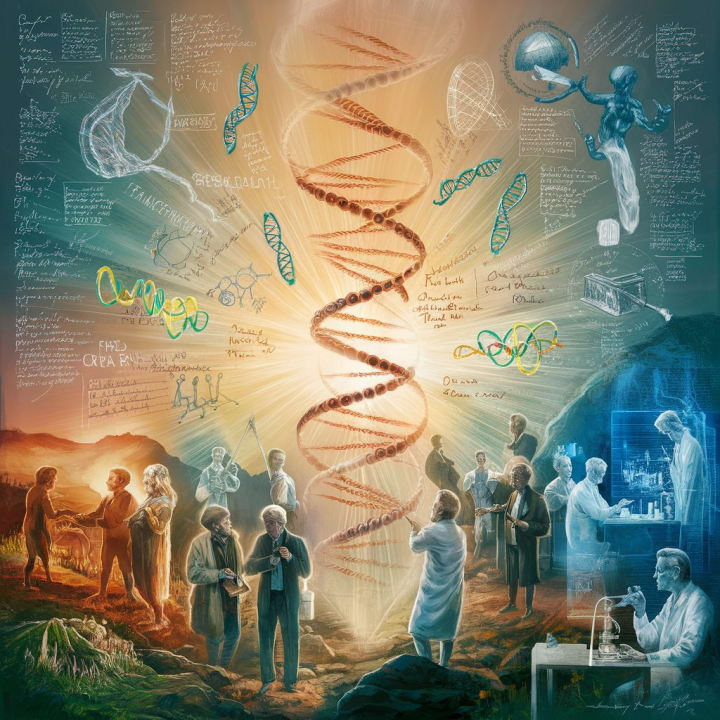
"The Gene: An Intimate History" by Siddhartha Mukherjee is a compelling exploration of the history, science, and ethical implications of genetics. Published in 2016, Mukherjee, a physician and researcher, takes readers on a journey through the discovery and understanding of genes—from their initial identification to modern advancements in genetic technology. The book examines how genes shape life, influence health, and raise profound questions about identity, heredity, and the future of humanity. This summary provides an overview of the key themes and insights from each chapter.
Chapter 1: Inheritance
Mukherjee begins by introducing the concept of inheritance and the early understanding of heredity through the work of Gregor Mendel and his experiments with pea plants. He explores how Mendel's laws of inheritance laid the foundation for the study of genetics, highlighting the fundamental principles of dominant and recessive traits. The chapter also discusses the initial skepticism and eventual acceptance of Mendel's work within the scientific community.
Chapter 2: Variation
This chapter delves into the mechanisms of genetic variation and the discovery of genes as units of heredity. Mukherjee discusses how early geneticists, such as Thomas Hunt Morgan and his colleagues, studied variations in fruit flies to understand genetic mutations and chromosome inheritance. He explores how these discoveries paved the way for understanding genetic diversity and the role of mutations in evolution.
Chapter 3: Mutation
Mukherjee examines the concept of genetic mutations and their impact on health and evolution. He discusses the discovery of mutations that cause genetic disorders, such as sickle cell anemia and Huntington's disease, and how these conditions provided insights into the genetic basis of disease. The chapter also explores the ethical dilemmas surrounding genetic testing and the implications of identifying disease-causing mutations.
Chapter 4: Transformation
In this chapter, Mukherjee explores the transformative impact of molecular biology and the discovery of the structure of DNA by James Watson and Francis Crick. He discusses how the understanding of DNA as a double helix molecule revolutionized genetics and laid the groundwork for decoding the genetic code. The chapter also examines the development of recombinant DNA technology and its applications in genetic engineering and biotechnology.

Chapter 5: Regulation
Mukherjee investigates how genes are regulated and controlled within cells to determine their expression and function. He discusses the role of regulatory elements, such as promoters and enhancers, in orchestrating gene activity. The chapter explores how disruptions in gene regulation can lead to diseases, highlighting the complexity of gene interactions and cellular processes.
Chapter 6: Evolution
This chapter explores the role of genes in evolution and the mechanisms by which genetic variation drives species adaptation and diversity. Mukherjee discusses evolutionary genetics and the contributions of scientists like Richard Dawkins and Stephen Jay Gould in elucidating how genes shape biological diversity over time. The chapter also examines controversies surrounding evolutionary theory and its implications for understanding human ancestry.
Chapter 7: Heredity
Mukherjee examines the concept of heredity beyond genetics, exploring how cultural and societal factors influence the transmission of traits and behaviors across generations. He discusses the interplay between nature and nurture in shaping human characteristics, highlighting research on epigenetics and the inheritance of acquired traits. The chapter also considers the implications of hereditary studies for understanding human identity and individuality.
Chapter 8: Memory
In this chapter, Mukherjee explores the concept of genetic memory and the transmission of trauma and experience across generations. He discusses research on epigenetic inheritance and how environmental factors can influence gene expression and behavior in offspring. The chapter examines case studies and scientific evidence suggesting that traumatic experiences may leave molecular imprints on genes, affecting future generations.
Chapter 9: Power
Mukherjee discusses the ethical implications of genetic technology and the power it confers to manipulate and modify genes. He explores controversies surrounding gene editing technologies like CRISPR-Cas9 and their potential applications in medicine, agriculture, and beyond. The chapter considers ethical dilemmas related to genetic enhancement, eugenics, and the regulation of genetic research and experimentation.
Chapter 10: Choice
The final chapter examines the future of genetics and the choices humanity faces in harnessing genetic knowledge responsibly. Mukherjee discusses the promise and pitfalls of personalized medicine, genetic screening, and gene therapy. He reflects on the ethical, social, and legal considerations that accompany advancements in genetic technology, emphasizing the need for informed decision-making and ethical guidelines to navigate the complexities of genetic science.
Conclusion
"The Gene: An Intimate History" by Siddhartha Mukherjee is a comprehensive exploration of genetics, blending scientific insights with historical narratives and ethical reflections. Through its exploration of inheritance, variation, mutation, and the societal implications of genetic knowledge, the book provides readers with a profound understanding of how genes shape life and influence the future of humanity. Mukherjee's engaging storytelling and interdisciplinary approach make this book essential reading for anyone interested in genetics, biology, and the complexities of human heredity.
**Affiliate Disclosure** This article contains affiliate links, meaning that we will receive a small commission at no added cost to you as part of our partnership with Audible when you sign up for a free trial to obtain this book.
About the Creator
Keep reading
More stories from Ermelita T. Engracio and writers in Humans and other communities.
Sapiens: A Brief History of Humankind
Introduction "Sapiens: A Brief History of Humankind" by Yuval Noah Harari is a groundbreaking exploration of the history of our species. Published in 2014, the book traces the journey of Homo sapiens from the Stone Age to the present, examining how we became the dominant species on Earth. Harari combines insights from history, biology, anthropology, and economics to provide a compelling narrative of human evolution, societal development, and the forces that have shaped our world. This summary offers an overview of the book's key themes, organized by chapters.
By Ermelita T. Engracio2 years ago in Humans
Autonomy Is The Real Privilege
Good morning, freedom-seekers! Today we’re gonna be looking at autonomy. A strange word, I know; one many would probably look at blankly and run away from on sight. We’re gonna figure out what it actually means, consider how it’s achieved, and decipher just how deeply most of us are tangled up in dependence without realising it.
By That ‘Freedom’ Guy3 days ago in Humans
Saturn Is Testing Your Twin Flame Connection.
Many twin flame journeys hit a wall. Connection fades. Silence grows. Distance hurts. You ask why love feels blocked when the bond feels eternal. Astrology gives one clear answer. Saturn stands at work in your connection.
By Wilson Igbasia day ago in Humans
Smart phones, Humans and Aliens.
WARNING. I will be tapping into one of your favorite creative tensions: The absurdity of humans worshipping their glowing rectangles as if they were tiny oracles. There’s something deliciously poetic about that contradiction, and it lends itself beautifully to an instructive proviso.
By Novel Allen7 days ago in Poets




Comments (2)
love the way you format it!
Thank you for the interesting and delicious content. Follow my stories now.