
The Friends You Lose in Your 20s: Why It Hurts, Why It’s Normal, and Why You’ll Thank Them Later
Outgrowing people isn’t betrayal—it’s growth disguised as heartbreak.

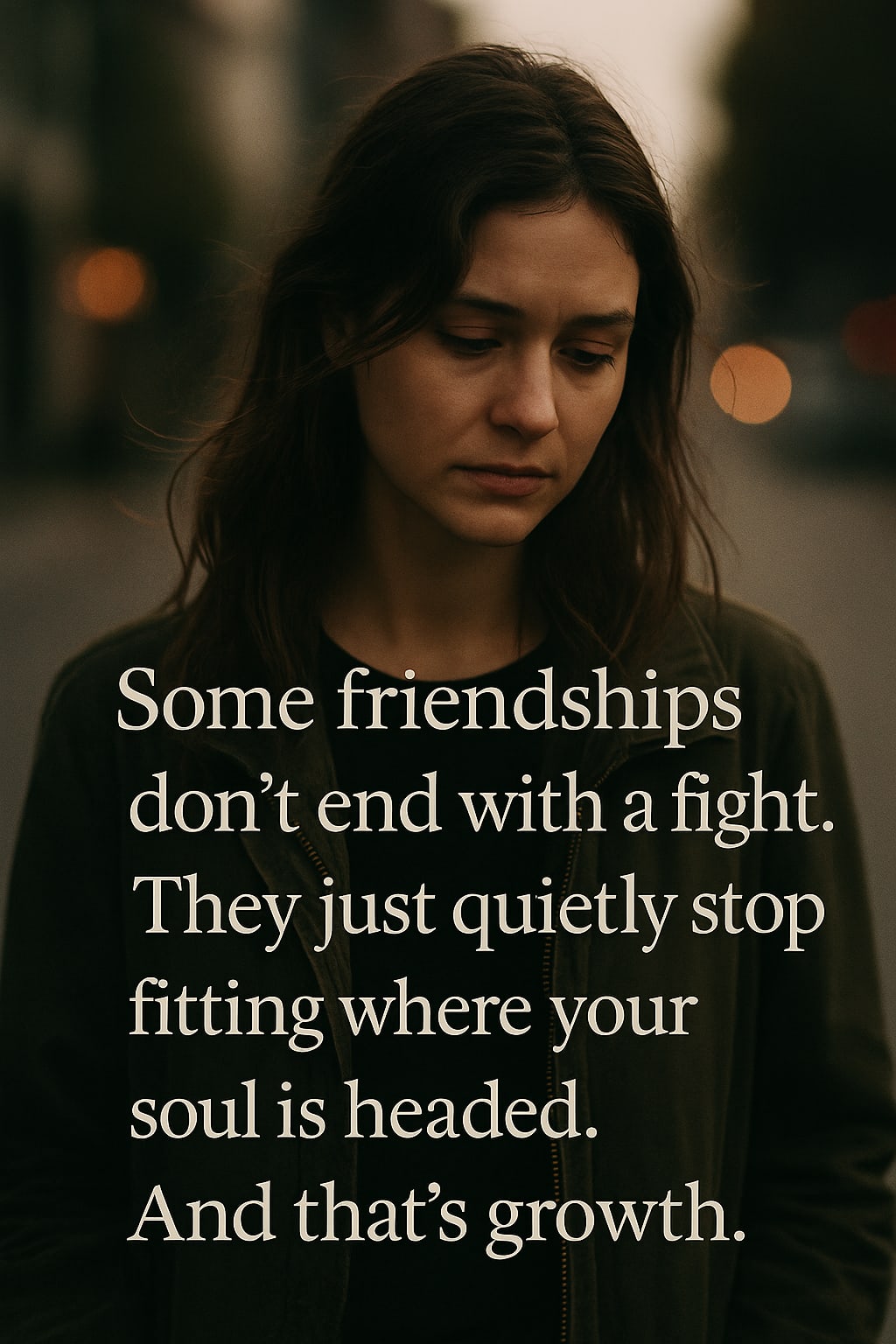
There’s a strange kind of heartbreak that no one warns you about when you enter adulthood—not romantic, not family-related. It’s the quiet, confusing grief of losing friends in your 20s. One moment, you’re laughing in high school classrooms, sharing memes and dreams; the next, you’re watching someone you once called a “ride or die” become just a viewer of your Instagram story.
But here’s the twist: it’s not only normal—it’s necessary.
The Illusion of Forever
When you’re younger, friendships feel eternal. You make promises of “forever” during sleepovers, on summer nights, after exams. These are the people who knew your first crush, your worst haircut, your embarrassing teenage phase. But as you get older, something subtle starts to shift.
Your schedules change. Your values evolve. One friend might prioritize career hustle while the other seeks peace and solitude. Suddenly, what once bonded you feels… distant.
You might wonder: Was it fake?
No—it was real. It just had an expiration date.
Outgrowing Isn’t Betrayal
Let’s be real. Some friendships end with a bang—fights, betrayal, miscommunication. But most? They just fade. No big argument. No closure. Just slower replies, shorter calls, more silence.
And that silence can be deafening. But hear this clearly: outgrowing someone doesn’t mean you hate them. It means your energies no longer align. And that’s okay.
Growth is lonely. But it’s honest.
Sometimes, your soul starts craving something else—new experiences, deeper conversations, healthier environments. If a friendship doesn’t grow with you, it will feel like it’s holding you back.
And letting go isn’t cruelty. It’s self-respect.
The Guilt That Follows
You’ll feel guilty. That’s normal.
You’ll ask yourself: Should I text them? Should I try harder?
But here’s the question that really matters: Do they still see you? Not the “you” from five years ago, but the you now—the one learning, healing, chasing a vision they might not understand.
If they don’t see or support that person anymore, then maybe it’s time to lovingly detach.
You can miss someone and still not want them back in your life. Both can be true.
People Are Lessons, Not Always Lifelong Cast Members
Some friends are here to show you joy, others pain. Some are mirrors, reflecting your best (and worst) qualities. Others are bridges—to new ideas, new places, new versions of yourself.
It doesn’t mean you failed.
It means their role in your story is complete.
And just like in a great movie, not every character stays until the credits roll.
The Friends Who Stay
Now, let’s talk about the ones who remain.
They’re rare. They adapt with you. They cheer for you even when your path looks nothing like theirs. You might not talk every day, but when you do—it feels like home.
These are your forever people. Not because you promised it, but because you both chose it, again and again, despite life pulling you in different directions.
Hold them close.
You’ll Thank Them One Day
Yes, even the ones who disappeared.
The friend who ghosted you taught you boundaries.
The friend who lied taught you honesty.
The friend who drifted taught you how to let go.
They weren’t a waste of time. They were part of your becoming.
And maybe one day, you’ll cross paths again. Wiser. Softer. Grateful. But until then, send them peace silently. You’re not mad. You’re just growing.
Final Thoughts
Losing friends in your 20s can feel like a betrayal. But it’s usually just life doing what it does—shifting, pruning, preparing. You’re not a bad person for changing. You’re not heartless for letting go. You’re just evolving.
And if you’re in the thick of this now—grieving friendships that once felt sacred—breathe. You’re not alone. You’re just becoming the person you were always meant to be.
Let them go. Let yourself grow.
About the Creator
Kiefer Sutherland and the Weight of Time on Screen Alone
Some actors arrive loudly. Others arrive quietly and stay with you. Kiefer Sutherland belongs to the second kind. His presence does not rush into a scene. It settles, waits, and then slowly takes hold. Over decades, his face has carried fear, regret, loyalty, and exhaustion in ways that feel close to real life. Watching him is often less about spectacle and more about recognition. You see parts of people you know. Maybe even parts of yourself. This article explores Kiefer Sutherland not as a star, but as a human figure shaped by time, choices, and consequence. His work speaks to aging, responsibility, and the cost of standing alone when the world keeps asking more.
By Muqadas khan5 days ago in Humans
The Devil's Cut
“Comrade, finally you’re awake.” The voice was smooth, sensual. A flickering incandescent bar was all that lit the white, sterile room. All Vladimir remembered was everything going black. He tried to move his arms and found them strapped to the gurney.
By Matthew J. Fromm5 days ago in Fiction


Comments
There are no comments for this story
Be the first to respond and start the conversation.