
Kiefer Sutherland and the Weight of Time on Screen Alone
Some actors arrive loudly. Others arrive quietly and stay with you. Kiefer Sutherland belongs to the second kind. His presence does not rush into a scene.

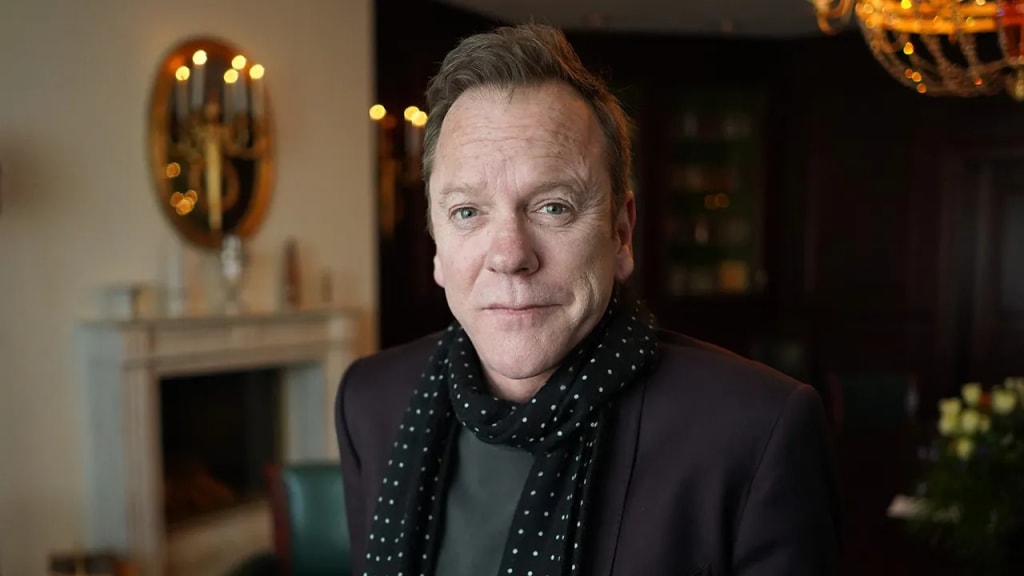
Some actors arrive loudly. Others arrive quietly and stay with you. Kiefer Sutherland belongs to the second kind. His presence does not rush into a scene. It settles, waits, and then slowly takes hold. Over decades, his face has carried fear, regret, loyalty, and exhaustion in ways that feel close to real life. Watching him is often less about spectacle and more about recognition. You see parts of people you know. Maybe even parts of yourself. This article explores Kiefer Sutherland not as a star, but as a human figure shaped by time, choices, and consequence. His work speaks to aging, responsibility, and the cost of standing alone when the world keeps asking more.
Kiefer Sutherland and the Shape of a Quiet Career
Kiefer Sutherland did not follow a straight line to fame. His career moved in turns, pauses, and returns. Early on, he appeared in films that leaned toward youth, rebellion, and danger. Yet even then, there was restraint in his acting. He rarely begged for attention. His roles suggested someone watching the room rather than owning it.
This approach shaped how audiences connected with him. Kiefer Sutherland never felt distant. He felt present. That presence grew stronger with age, not weaker. While many actors chase reinvention, he allowed time to leave marks. Wrinkles, slower speech, heavier silences. These became part of his language on screen.
Growing Up in the Shadow of a Famous Name
Being the son of a respected actor placed weight on Kiefer Sutherland early. Expectations existed before his first role. Instead of running from that shadow, he seemed to step sideways from it.
He did not copy the style of the previous generation. Where others might aim for grandeur, he leaned toward tension and restraint. This choice helped him stand apart without loud rebellion.
The pressure of comparison can break confidence. In his case, it appeared to sharpen focus. He selected roles that tested emotional limits rather than public approval. Over time, that choice paid off. His name came to mean something separate, something earned.
This background matters because it explains why Kiefer Sutherland often plays characters carrying invisible burdens. Responsibility feels familiar in his performances. It feels practiced.
Early Roles That Carried Unease
In his younger years, Kiefer Sutherland often appeared in stories about risk, loyalty, and moral tension. These characters were rarely comfortable. They lived on edges.
Even when playing villains or morally unclear figures, he avoided exaggeration. His calm delivery made danger feel closer. The lack of raised voice or dramatic movement created unease. Viewers leaned in because something felt off, not because it was loud.
These roles hinted at what would define his later work. He understood that fear often lives in silence. His early performances showed an actor willing to trust the audience to notice small shifts in expression.
That trust became a signature.
Kiefer Sutherland and the Power of Stillness
Many actors rely on movement. Kiefer Sutherland relies on stillness. He can stand in a room, say very little, and still hold attention.
This skill becomes more valuable as stories grow complex. When scenes involve moral conflict or emotional fatigue, stillness allows space for the viewer to think. It respects the audience.
In several of his roles, long pauses speak louder than dialogue. The camera lingers, and he allows discomfort to exist. This is not empty space. It is active restraint.
Stillness also mirrors real life. People often hide their worst thoughts behind calm faces. Kiefer Sutherland understands this truth and brings it into his work.
The Weight of Authority in His Characters
Authority appears often in Kiefer Sutherland roles. Leaders, protectors, decision makers. Yet his authority rarely feels comfortable.
He plays leaders who doubt themselves. Leaders who carry guilt. Leaders who know every choice costs something. This makes authority feel heavy rather than glamorous.
Viewers respond to this because it feels honest. Real leadership is exhausting. It isolates. His characters show the toll without asking for sympathy.
This theme repeats across genres. Whether in action, drama, or political settings, his authority feels earned and fragile. It can break.
That fragility is what keeps audiences invested.
Kiefer Sutherland and Moral Exhaustion
One of the most striking elements of Kiefer Sutherland performances is moral exhaustion. His characters often reach a point where right and wrong blur.
He does not play heroes who enjoy saving the day. He plays people who understand the cost of every action. This creates tension that lasts beyond a single scene.
Moral exhaustion shows in posture, in slower responses, in tired eyes. He allows that fatigue to remain visible. He does not rush toward redemption.
This approach reflects real ethical struggle. Life rarely offers clean answers. His work respects that complexity.
Television and the Long Arc of Consequence
Television gave Kiefer Sutherland space to explore long-term consequence. Over many episodes, viewers watched choices stack up.
This format suited his strengths. He excels at showing gradual change. Small losses accumulate. The character ages emotionally even when the story timeline feels tight.
His television work made him a familiar presence in living rooms. Yet it never felt casual. Each episode carried weight. Viewers sensed that nothing would reset easily.
This sense of permanence separated his work from typical television comfort. Actions mattered. Damage remained.
Aging on Screen Without Hiding
As Kiefer Sutherland aged, he did not hide it. He did not smooth the edges or chase youth. He allowed time to appear on his face.
This honesty deepened his performances. Aging added credibility to roles involving regret and reflection. He became more believable as someone who had lived.
In an industry often afraid of age, this choice felt brave. It also aligned with the themes he explored. Responsibility does not fade with time. It grows heavier.
Viewers aging alongside him found connection. They saw their own changes mirrored on screen.
Kiefer Sutherland and Emotional Isolation
Loneliness appears often in his characters. Even when surrounded by people, there is distance.
This isolation is not loud. It sits quietly between lines of dialogue. He often looks like someone carrying thoughts he cannot share.
This emotional isolation makes scenes feel intimate. The audience becomes the only witness to that inner struggle.
It also explains why his characters often stand alone at critical moments. They are used to it. They expect it.
That expectation adds sadness without asking for pity.
Music as an Extension of Mood
Outside acting, Kiefer Sutherland explored music. This choice surprised some, but it fits his emotional tone.
His music reflects similar themes found in his acting. Reflection, regret, quiet observation. It does not chase trends. It sits with feeling.
This crossover reveals consistency. Whether acting or making music, he seems drawn to honest expression rather than attention.
It also shows that his creativity extends beyond performance into personal reflection.
Kiefer Sutherland and Masculinity Without Noise
Traditional masculinity in film often relies on dominance and volume. Kiefer Sutherland offers another version.
His masculinity feels restrained. Strength appears through endurance rather than force. Pain is acknowledged, not hidden behind aggression.
This portrayal resonates with viewers tired of loud bravado. It suggests that strength can exist alongside doubt.
His characters break without losing dignity. That balance is rare.
The Role of Voice and Delivery
Kiefer Sutherland voice carries weight. It is calm, measured, and deliberate.
He avoids unnecessary emphasis. Words land because they are not pushed. This delivery makes dialogue feel considered rather than performed.
Silence often follows his lines, allowing meaning to settle. This rhythm creates tension without action.
It also reflects internal control. Even when emotions run high, his voice stays steady. That steadiness hints at effort.
Failure as a Repeating Theme
Many Kiefer Sutherland characters fail. Not once, but repeatedly.
Failure does not end their story. It shapes it. He portrays failure as something characters live with, not escape from.
This approach feels honest. Real life includes repeated mistakes. His work acknowledges that reality.
Failure deepens empathy. Viewers recognize the weight of trying again after loss.
Kiefer Sutherland and Trust in the Audience
One reason his work lasts is trust. He trusts viewers to notice subtlety.
He does not explain every emotion. He allows silence to speak. He allows scenes to breathe.
This trust creates respect between actor and audience. It invites participation rather than passive viewing.
Over time, this relationship builds loyalty. Viewers return because they feel seen, not told.
The Physicality of Weariness
Physical exhaustion appears often in Kiefer Sutherland roles. Not exaggerated, but present.
Shoulders sag. Movements slow. Breathing changes. These details communicate history.
Physical weariness mirrors emotional strain. The body remembers what the mind tries to forget.
This attention to physical detail grounds his performances in reality.
Kiefer Sutherland in Supporting Roles
Even when not leading, Kiefer Sutherland leaves impact. Supporting roles benefit from his restraint.
He does not overpower scenes. He listens. He reacts.
This makes other actors stronger. Scenes feel shared rather than dominated.
His willingness to support story rather than spotlight reveals confidence.
Legacy Built on Consistency
Kiefer Sutherland legacy is not built on a single moment. It grows from consistency.
Decade after decade, he delivers believable performances. Not flashy, but grounded.
This consistency builds trust. Audiences know what to expect emotionally.
That reliability becomes part of his identity.
Why Kiefer Sutherland Still Matters
In a culture chasing novelty, Kiefer Sutherland offers continuity. His work reminds viewers of patience and depth.
He represents a slower approach to storytelling. One that values consequence and reflection.
As entertainment grows louder, his quiet intensity feels necessary.
He matters because he stays honest.
Conclusion: Carrying Time With Grace
Kiefer Sutherland career shows what happens when an actor allows time to shape rather than erase. His performances carry the weight of years, choices, and consequence. He does not rush toward resolution. He stays with discomfort.
That willingness creates connection. Viewers do not just watch him. They feel alongside him.
In the end, Kiefer Sutherland stands as a reminder that lasting work comes from sincerity. From listening more than speaking. From allowing silence to carry meaning.
Time has not softened his impact. It has deepened it.
About the Creator
Muqadas khan
Hi! Welcome to my Vocal page. I’ll be sharing fresh articles every day covering stories, ideas, and a bit of inspiration to brighten your feed. Thanks for reading and supporting daily writing! 📖💫
Keep reading
More stories from Muqadas khan and writers in Humans and other communities.
John Forte and the Long Road Back to Meaningful Music Life
Some lives move in straight lines. Others bend, break, and slowly find their way back. The story of john forte belongs to the second kind. It is not loud or glossy. It is quiet, heavy, and deeply human. His name often appears in the margins of hip hop history, yet his journey speaks to anyone who has made mistakes and carried them for years. This is a story about music, loss, time, and patience. It is about how a person can fall far, sit with that fall, and still choose to create something honest. If you have ever wondered how art survives prison walls, or how identity survives shame, this story stays with you.
By Muqadas khan2 months ago in Humans
The Mirror of the Moon Goddess
She had walked past the antique shop a hundred times without stopping. But tonight, the full moon cast a silver light on a small ornate mirror in the window and it called to her. Not with a sound, not with a voice, but with something deeper, a pull from the chest, like a memory she had never lived but somehow always known.
By Chic X Charm 4 days ago in Humans



Comments
There are no comments for this story
Be the first to respond and start the conversation.