
The First Ripples of a Global Storm: Reflections on the Early Months of COVID-19
From Uncertainty to Resilience: Lessons Learned and the Strength of Hope in a Pandemic's Wake
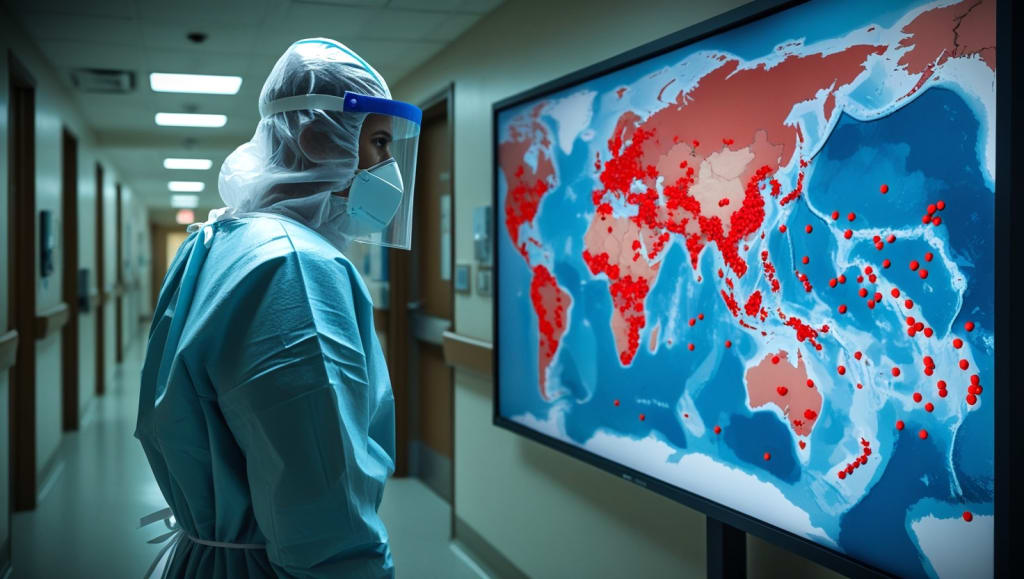
The COVID-19 pandemic began almost silently, a world-changing happening for which we are still trying to find our way out. By the end of 2019, whispers of a mysterious illness in Wuhan, China, started popping up. Not many could have envisioned how these whispers would quickly turn into a deafening roar and change the course of history. The first critical months remind us all of fear, resilience, and humanity in defining this time. December 2019: The First Ripples of Trouble
It began as a small ripple. In December 2019, health officials in Wuhan noticed clusters of pneumonia cases with no identified cause. Associated with the Huanan Seafood Market, this disease had a mysterious feel to it. On December 31, China notified the World Health Organization (WHO), paving the way for international recognition of what was in store.
In what was an incredibly rapid endeavor, scientists were able to identify a novel coronavirus, dubbed SARS-CoV-2. The sequencing of the virus's genome at such speed gave a glimpse of the incredible scientific breakthroughs that lay ahead, even as the world remained largely unaware of the storm that was brewing.
January 2020: Alarm Bells Begin to Sound
Alarm bells were ringing louder by the time January dawned. On January 11, China reported the first death related to the virus. Soon, cases began to surface outside China in Thailand and Japan, and this raised global concern. Human-to-human transmission was confirmed, breaking hopes that the outbreak might be contained.
January 30 marks the declaration of the outbreak by WHO as a Public Health Emergency of International Concern (PHEIC). Thousands of people were infected in China, and it was undoubtedly known that the world was dealing with something new and unprecedented. However, the majority of us attended to our daily routine without any knowledge of what was happening on a geological level.
February 2020: The Virus Crosses Borders
In February, the virus began its relentless march across the globe. South Korea's outbreak linked to a religious group shocked the nation, while Italy's Lombardy region became a tragic epicenter for Europe. Each day brought harrowing images of overwhelmed hospitals and grieving families.
The Diamond Princess cruise ship, which was hosting this couple on its crew, became a ubiquitous arch-symbol of the reach of the virus, infecting hundreds of passengers. Most were awake thanks to those early stories; however, the reality of the pandemic still felt distant for some.
March 2020: The World Had Changed
By March 11, 2020, the WHO declared COVID-19 a pandemic. It was one of those moments that brought sobering clarity: nearly every continent was infected; the impacts were becoming undeniable.
Lockdowns began sweeping across the world. Italy then shut down, followed by Spain, and then most of Europe. In the U.S., life as we knew it stopped. Schools closed their doors, businesses shuttered, and families huddled in their homes, not knowing what the future held. New York City, so vibrant and alive, became a hotspot. Pictures of empty streets and overwhelmed hospitals painted a very vivid picture of the battle unfolding.
The world's collective worry was palpable. Amid the fear, though, were stories of resilience. Communities came together to rally support for each other, singing from balconies and donating to those in need. The human spirit, tested, refused to falter.
April 2020: Fighting Back
April was a month of fierce fight and glimpses of hope. Health workers wore their PPE which often inadequate and became heroes on the frontline. Their bravery inspired millions even though their faces showed the mark of long working hours and the tight mask.
Scientists worked day and night. Trials for treatments and vaccines began, offering hope at the end of a long, dark tunnel. Public health messages about masks, handwashing, and social distancing became the lifeline.
The inequities were glaring. It revealed that it is low-income communities and countries who bear the brunt of the virus and reveal the depth of inequity. A sharp reminder to systems on the fragility of it all and the compassion that was much needed.
Lessons from the First Months
The first months of COVID-19 were a maelstrom of uncertainty, fear, and adaptation. Mistakes were made, but so too were extraordinary strides. These months leave us with lessons that will resound for generations:
Preparedness Saves Lives: The pandemic laid bare the shortcomings in public health systems across the globe, reinforcing the call for readiness.
The Power of Science: From sequencing the virus's genome to developing vaccines in record time, science stood at the center.
Strength in Unity: Whether through global collaboration or local acts of kindness, the pandemic showed that together, we are stronger.
Moving Forward with Hope
The early months of COVID-19 were a time of heartbreak and courage, loss and discovery. They tested humanity in ways we could never have imagined. Yet, they also revealed our ability to adapt, innovate, and care for one another.
As we look back, let's honor the sacrifices made and lessons learned. The pandemic reshaped our world, but it also reminded us of the resilience that defines us. Even in the face of uncertainty, hope remains our greatest strength. As we continue to navigate a changed world, the memories of those first months will forever remind us of where we've been and how far we've come.
April 2020: Pushing Back
April was the month of brutal fighting and glimpses of hope. Healthcare workers suited up in PPE—sometimes woefully insufficient—and became front-line heroes. Millions were inspired by their bravery even as their faces testified to long, grueling shifts and tight masks.
Scientists worked day and night. The treatment and vaccine trials started. The messages of public health were the masks, handwashing, and social distancing.
However, this pandemic had differences in its impact. It affected the poor more than anything else, exposing deep inequities. It made it all come to the fact that our systems are so fragile and call for compassion.
Lessons of the First Months
The early months of COVID-19 were marked by a whirlwind of uncertainty, fear, and adaptation. It made mistakes and made extraordinary strides. These months taught us the lessons that would resound in generations to come:
Preparedness Saves Lives: The pandemic revealed gaps in public health systems worldwide, marking a need for readiness.
Power of Science: Sequencing of the virus's genome to record vaccines in its development was definitely needed.
Strength in Unity: Whether across borders in collaboration or in individual acts of generosity around the corner, the pandemic made it clear: together, we are stronger.
Towards a Future Full of Hope
The early days of COVID-19 were those of broken heart and bravery, of loss and discovering stuff. They tested our humanity in ways beyond our wildest imagination. They revealed our strength to adapt, our genius, and our very goodness to each other.
Let us just remember then, as we take a look back at what has happened, the sacrifices and lessons learned during this time. The pandemic reshaped our world by reminding us of the resilience that defines us. Indeed, even amidst uncertainty, hope remains our greatest strength. And the memories of those first months will forever remind us about where we are, how far we can go, and where we come from.
About the Creator
Keep reading
More stories from MahaShanker Mandal and writers in Humans and other communities.
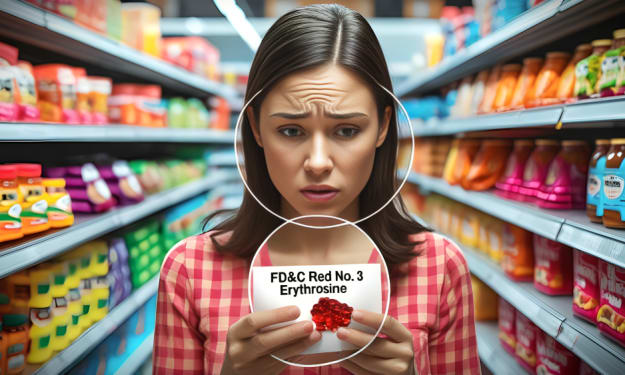
The FDA’s Ban on Red Dye 3: What You Need to Know
The FDA's new choice to boycott Red Colour 3 (Erythrosine) marks a huge move towards focusing on shopper well-being by tending to the dangers related to counterfeit food colourings. This manufactured colour, generally used to bestow dynamic red or pink shades to food, has for quite some time been under a magnifying glass for its potential wellbeing gambles, especially its connection to disease in research facility creatures. By disallowing its utilization in food items, the FDA has found a proactive way to safeguard general well-being while at the same time flagging a shift towards stricter guidelines on fake added substances.
By MahaShanker Mandalabout a year ago in Humans

Comments
There are no comments for this story
Be the first to respond and start the conversation.