
The Evolution of Tradition: Preserving Cultural Identity in a Modern World
Embracing Change while Keeping Culture Alive
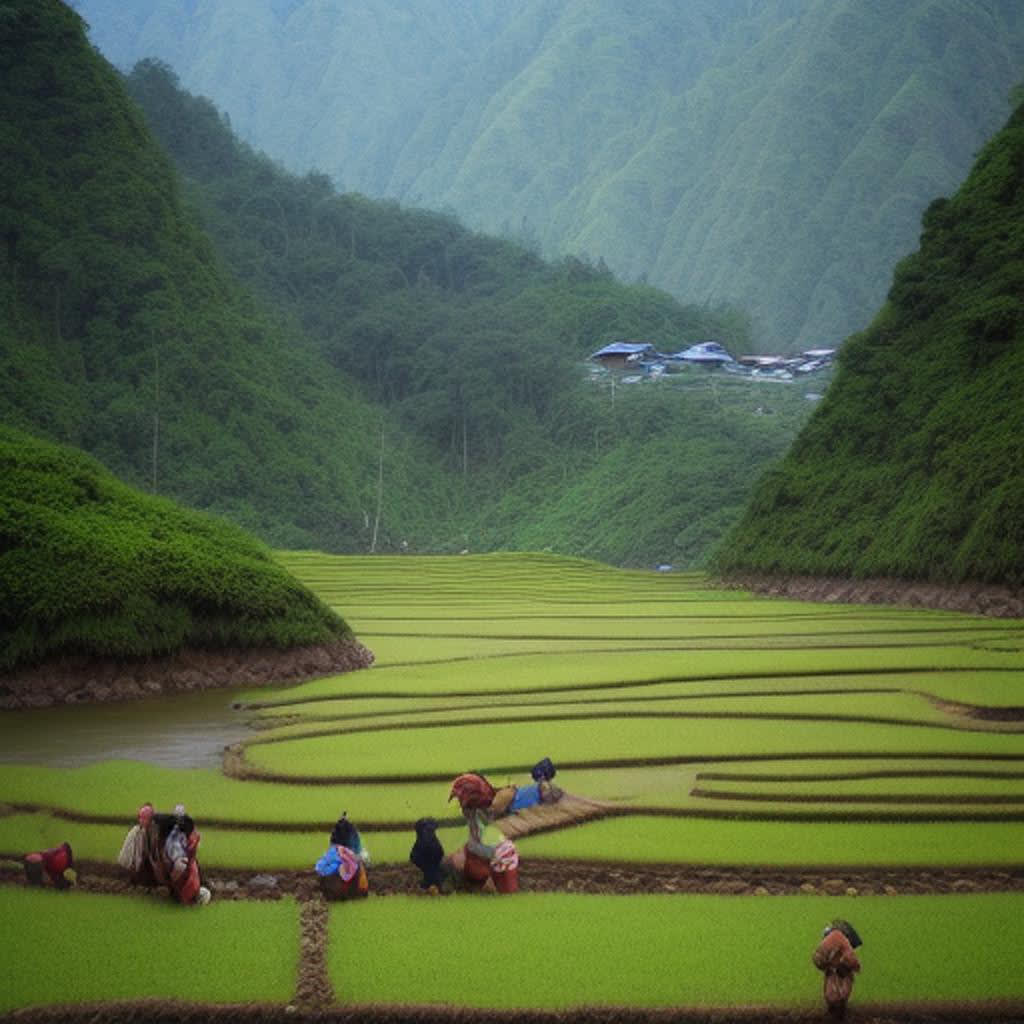
One of the greatest challenges facing humanity today is the rapid advancement of technology, which has brought about monumental changes in the way society operates. While these changes have undoubtedly led to numerous benefits, they have also threatened many of our traditional ways of life. For indigenous communities, who have long depended on their ancient customs and cultural values, the threat posed by technological change is especially pronounced. It is in this context that we must examine the evolution of tradition as a means of preserving cultural identity in a modern world.
As a member of an indigenous community, I was born into a rich culture filled with ancient traditions and practices that have been passed down through generations. However, over the years, I've witnessed our culture change drastically due to the rapid advancement of technology.
In the past, we used to rely on the knowledge of our elders and the teachings passed down through oral history to guide us in our daily lives. Our traditions and customs were rooted in a deep respect for the natural world and its beauty. In our mountain village, our children used to grow up surrounded by nature and traditional ways. However, as technology advanced rapidly, smartphones and the internet became a part of our daily lives. While these new innovations brought many benefits, they also had the unintended consequence of altering our way of life. As our children spent more time plugged into their devices, they became less interested in the traditional practices that had been passed down through generations. They no longer helped collect firewood or tend to the crops, and they had little interest in the oral history and cultural traditions that our elders had spent so much time teaching them.
This shift wasn't without its benefits. Our children had access to new knowledge and entertainment, and they were able to communicate with people from around the world. But I couldn't help but worry that these changes were leading us down a path of cultural isolation, where our ancient traditions would be lost.
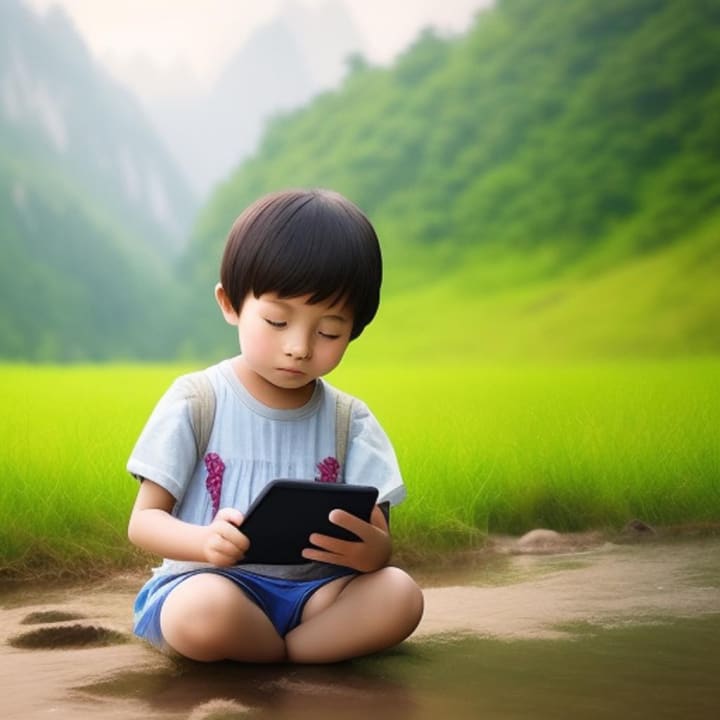
As a member of our community, I felt a sense of responsibility to preserve our cultural heritage for future generations. I knew that we couldn't stop the tide of change, but we could take steps to ensure that our children appreciated and valued the traditions that had once been so central to our identity.
As the world around us continues to rapidly evolve, it can be difficult to find a balance between embracing technology and preserving our heritage and traditions. This is especially true for indigenous communities that have long been able to rely on their age-old customs and practices to guide them. But even as the pace of change quickens, we must not lose sight of the things that make us unique. It is up to the entire community to come together and find a balance between tradition and modernity, ensuring that the traditions and values that have shaped our identity are not lost to time. By working together, we can find a way to honor our past without sacrificing our future, creating a better and more fulfilling life for all members of our community.As long as we stayed true to our heritage and continued to pass down our cultural values to our children, I believed that we would find a way to navigate the changes of the modern world and emerge stronger than ever before.
Despite the changes I see around me, I am proud to be a part of an indigenous community that has endured for centuries. I am honored to be a part of a community that has endured despite the challenges we have faced, and to have the opportunity to continue our traditions and customs. It is important to strike a balance between embracing advancements and preserving our heritage, as both are integral parts of our identity and who we are as a people.
About the Creator
Keep reading
More stories from Denver Madjaco and writers in Humans and other communities.
Igorot: The Philippine Highlanders
The story of the Philippines is a tale of courage and resilience, and nowhere is this more evident than among the Igorots. These fierce and proud people have called the mountains of North Luzon home for millennia, surviving against all odds to maintain their ancient ways of life.
By Denver Madjaco3 years ago in History


Comments
There are no comments for this story
Be the first to respond and start the conversation.