
The Evening AI Automation Taught Me What Real Productivity Feels Like
How letting go of control helped me rediscover balance and focus.

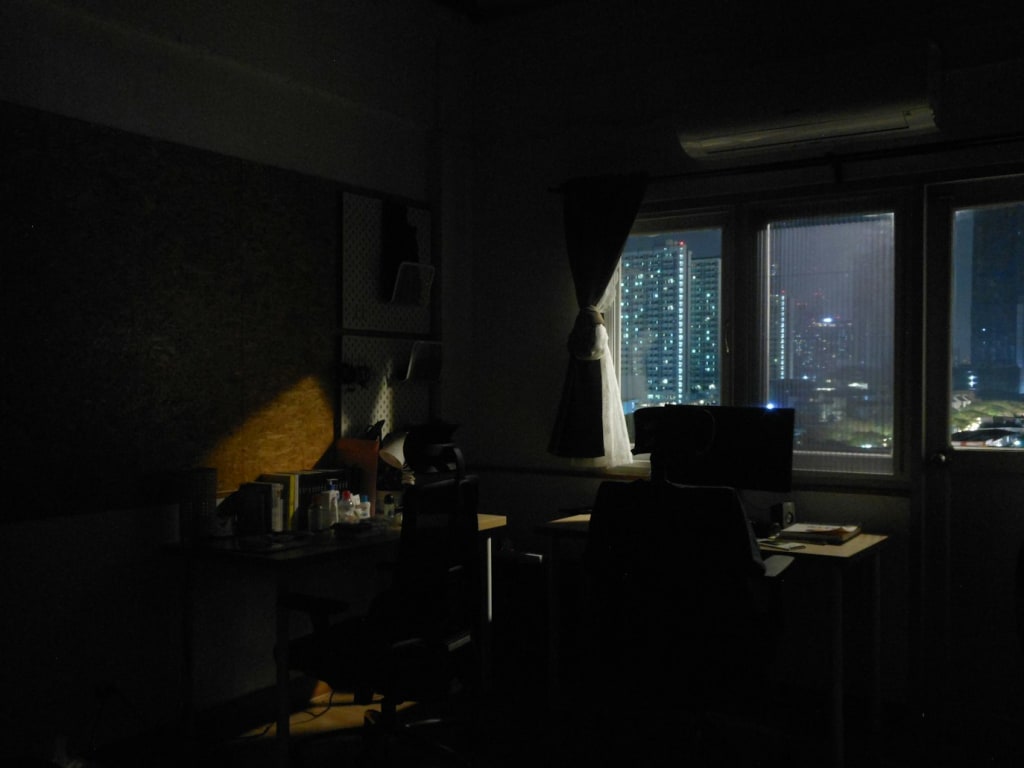
The sun was sinking behind my window when I realized I was still working.
Emails. Reports. Notifications. Tabs that multiplied like thoughts I couldn’t silence.
My coffee had gone cold hours ago, but I kept sipping it — out of habit, not need.
The room was quiet, but my mind wasn’t.
For months, my days had been a blur of tasks. Productivity had become a strange kind of addiction — a chase I didn’t know how to stop. I thought if I finished everything, I’d finally feel peace. But peace never came.
It started small — just a few minutes here and there that I promised myself would be breaks.
But those breaks became extensions of work: checking messages, reviewing another report, tweaking another process “just to be safe.”
I was never really resting. I was maintaining motion.
And motion, I’ve learned, can sometimes look like progress even when it’s just exhaustion in disguise.
One evening, as I stared at yet another unfinished list, I noticed the sunset outside my window — a color I hadn’t really looked at in weeks. I wondered how long I’d been measuring my worth by how late I stayed online.
That’s when I decided something had to change.
I didn’t start with some grand plan or expensive tool.
It began with curiosity — and a quiet question:
“What if I didn’t have to hold it all?”
I’d heard about AI automation before. People in tech circles called it “the future of work.”
But I wasn’t thinking about the future. I just wanted my evenings back.
So I set up one simple automation: a task that gathered my daily reports and sent them to me each morning. It took maybe ten minutes to configure. Nothing fancy.
That night, I didn’t stay late to finish.
I didn’t check “just one more thing.”
I closed my laptop, made tea, and sat by the window — the same one that had watched me chase deadlines for years.
The silence felt strange at first.
But slowly, it began to feel like freedom.
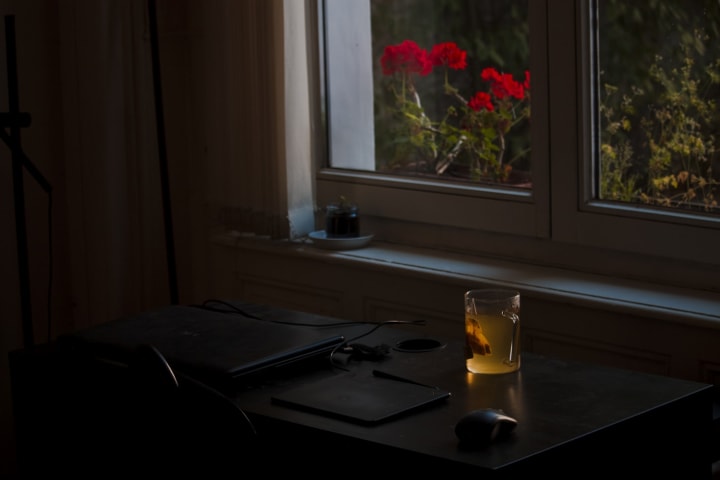
The next morning, the report was waiting in my inbox.
No stress. No rush. No guilt.
I smiled — not because of the automation itself, but because of what it represented: a small surrender.
For once, I didn’t have to control everything.
It’s funny — I used to think letting go meant failure. That if I wasn’t constantly working, I was falling behind. But now, I realize it’s the opposite.
Letting go is how we catch up — not with our goals, but with ourselves.
Over the next weeks, I added a few more small automations.
A reminder to breathe before my first meeting.
A message that logged my progress automatically.
A system that handled my end-of-day reports.
Each one gave me a little piece of time back — minutes that turned into hours, hours that started to feel like life again.
I began cooking dinner slowly. Reading before bed. Calling friends I’d only texted for months.
And one night, I caught myself smiling at nothing in particular — just at the quiet rhythm of an ordinary evening.
That’s when I realized something simple but profound:
AI didn’t make me more productive.
It made me more present.
Of course, the work still matters. The deadlines, the goals, the ambition — they’re all part of the story.
But they’re not the whole story.
Somewhere along the way, I confused effort with meaning.
I thought constant doing was proof of value.
But the truth is, balance is not built from effort — it’s built from awareness.
AI automation became my mirror for that.
It showed me that some things don’t need my hands — just my trust.
And in return, I got something no machine can generate: stillness.
Sometimes people ask me if I’m afraid automation will replace human work.
But I think that’s the wrong fear.
The real danger is that we replace our human moments with endless work.
We forget that rest isn’t a reward — it’s part of what makes us human.
Automation didn’t steal my purpose.
It helped me remember it.
Because the point of productivity was never to fill every moment —
It was to free them.
Now, when the sun sets, my laptop stays closed.
There’s still more to do — there always will be —
but that’s okay.
The world can wait until morning.
The reports will be there. The reminders will run.
And the quiet will still belong to me.
Maybe that’s what balance really is — not control, but choice.
The choice to step away, to breathe, to let the machines hum softly while you reclaim the simple beauty of being alive.
Maybe automation isn’t about doing more.
Maybe it’s about remembering when to stop.
☕ Thanks for reading!
I write about AI, automation, and mindful productivity — how technology can help us slow down, not speed up.
💡 Follow me on Vocal for more reflective stories about balance, creativity, and the human side of automation.
About the Creator
Erick Galaviz
✍️ Writer exploring the calm side of technology.
I write about AI, automation, and the art of slowing down — stories that blend reflection, balance, and the human touch behind productivity. 🌙
Keep reading
More stories from Erick Galaviz and writers in Humans and other communities.
Kyrsten Sinema
Kyrsten Sinema is an important American political leader. She worked for many years in the U.S. government and became known for being different from many others in politics. This article uses easy English and clear subtitles to help you understand who she is, where she came from, what she did, and what is happening now with her.
By Farhan Sayed2 days ago in Humans
Wild Card Weekend Recap: What Happens Now?
I think I figured out why I love Wild Card Weekend so much. It's because it's the first playoff anything of the calendar year. The NFL season starts in the fall, and once upon a time, the champion was crowned either on or slightly before New Year's. The evolution of the NFL schedule has resulted in the playoffs starting just into the New Year, and currently, the final week of the season falls on the first weekend of the New Year, with Wild Card Weekend coming a week after that. So yes, chronologically, the NFL's Wild Card Weekend serves as the first playoff anything of the calendar year.
By Clyde E. Dawkins6 days ago in Unbalanced



Comments (1)
Letting go of control felt strange at first — like slowing down in a world that rewards speed. But maybe that’s where the real focus lives. Has anyone else felt that shift?