
The Night AI Helped Me Stop Working — and Start Living Again
How gentle automation taught me that real productivity begins with peace.

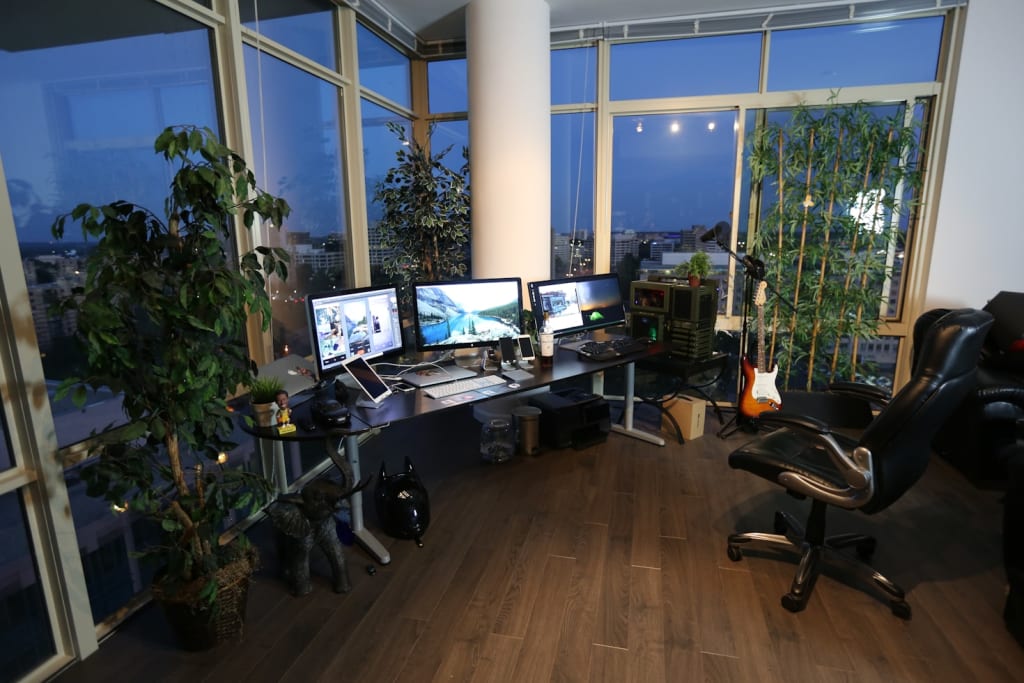
The sun was sinking low behind my window, brushing the sky with the kind of orange that makes you wish you could pause time.
But my laptop was still glowing — a cold light that had become my second sunset.
Every day blurred into the next.
Emails, reports, checklists, notifications — like waves that never stopped crashing. I told myself I was being productive. I told myself this was the price of ambition. But deep down, I knew I was running in circles, not moving forward.
Some nights I’d catch my reflection in the dark monitor after closing another tab. I looked tired. Not the kind of tired a full night’s sleep could fix, but the kind that comes from forgetting what silence feels like.
Automation was supposed to be for other people — the tech wizards, the engineers, the ones with dashboards full of graphs and blinking lights.
I was just trying to survive my to-do list.
But one evening, after missing yet another dinner because I “just had one more task,” I reached a quiet breaking point. I opened a new tab — not for work, but for escape. I searched: “how to automate daily tasks with AI.”
At first, it felt like cheating.
Letting something else handle what I was supposed to control.
But as I connected one small automation — a simple report generator — something shifted.
The next morning, the report was waiting for me, perfectly formatted.
No late night. No rush. No guilt.
I stared at the screen for a long minute, then closed my laptop.
For the first time in months, I made coffee without thinking about pending tasks.
And that’s when it hit me: maybe productivity wasn’t about staying busy — maybe it was about making room for calm.
Of course, it didn’t all change overnight.
Old habits have roots that go deep.
I still caught myself reaching for my laptop after dinner, my mind whispering: “Just five minutes.” But then, the automation would already have finished what I was about to start. It was like having a silent reminder that I didn’t need to keep proving my worth through exhaustion.
Over time, I began trusting the process more.
The reports came in. The reminders triggered. The emails were sorted.
And slowly, I felt something returning — not time, exactly, but presence.
Evenings no longer felt like unfinished business.
They felt like mine again.
There’s a moment — somewhere between work and rest — where the mind unclenches.
I started noticing it again.
Sometimes it was in the sound of my coffee machine.
Sometimes in the way my living room light hit the floor at dusk.
Tiny, ordinary things that I had been too busy to see.
AI didn’t give me peace. It simply gave me space.
And in that space, I rediscovered the quiet version of myself I’d left behind — the one who read books just for the joy of it, who took walks without checking notifications, who laughed without thinking about the next deadline.
I used to think automation was about doing more in less time.
Now I see it differently.
It’s about designing a life that doesn’t collapse under the weight of endless optimization.
It’s about using technology not to move faster, but to breathe slower.
The funny thing is, when I stopped chasing productivity, my work got better.
Ideas came easier. I made fewer mistakes.
Even creativity — something I thought automation might dull — grew sharper.
There’s a calm that comes from knowing you don’t have to hold everything at once.
That’s what automation gave me: not control, but release.
One night, weeks after I’d set everything up, I closed my laptop right at six.
No guilt. No anxiety. Just quiet.
Outside, the world was glowing again — that same orange light I used to miss.
I brewed tea, sat by the window, and realized I couldn’t remember the last time I’d simply watched the evening arrive.
I didn’t need to check if the reports were done.
They were.
I didn’t need to schedule tomorrow’s tasks.
They’d already be waiting.
And for the first time in a long time, I wasn’t waiting for permission to rest.
We often talk about AI as if it’s taking something from us — creativity, control, meaning.
But maybe it’s offering something too.
Not perfection.
Not performance.
But presence.
Because when I let automation handle the noise, I finally heard what silence sounded like again.
That’s what I’d been missing all along.
Not more hours in the day — just the courage to live the ones I already had.
Maybe productivity isn’t about doing more.
Maybe it’s about remembering how to stop.
☕ Thanks for reading!
I write about AI, automation, and mindful productivity — how technology can help us slow down, not speed up.
💡 Follow me on Vocal for more reflective stories about balance, creativity, and the human side of automation.
About the Creator
Erick Galaviz
✍️ Writer exploring the calm side of technology.
I write about AI, automation, and the art of slowing down — stories that blend reflection, balance, and the human touch behind productivity. 🌙
Keep reading
More stories from Erick Galaviz and writers in Humans and other communities.
With No Black Magic, I Can Tell You Where You’ll Find Your Ideal Romantic Partner
For years, I was single. Not casually single. Not “taking a break” single. I mean years of not dating, not finding someone I could truly get along with. It felt isolating. I started to believe maybe deep compatibility just wasn’t in the cards for me.
By Amira hossam7 days ago in Humans


Comments (1)
I used to think balance meant doing everything faster. But that night, I realized it meant doing less — and feeling more. Has anyone else felt that quiet shift when you finally let go of “busy”?