
The Emotional Side of Money: How Our Finances Shape Who We Are?
Money is often talked about in terms of numbers, budgets, and investments. But beneath the surface, it plays a much deeper role in our lives.

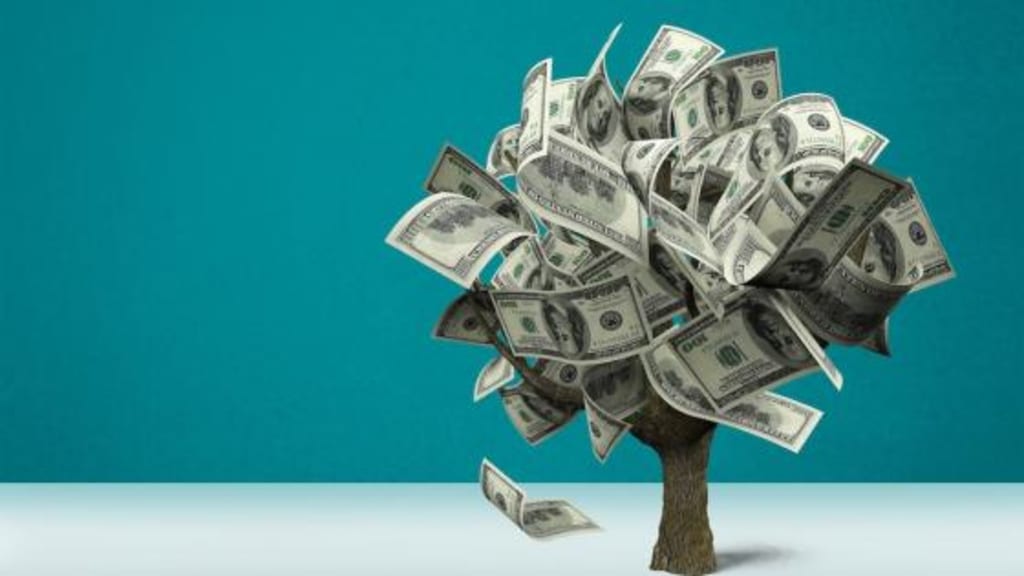
Our relationship with money is intertwined with our emotions, values, and sense of identity. Understanding the emotional side of money can help us better manage our finances, improve our well-being, and connect with others on a more meaningful level. Here’s how money shapes who we are and how we can take control of that relationship.
1. Money and Self-Worth: Breaking the Cycle
For many people, money is closely tied to their sense of self-worth. We often measure our success, happiness, and even value as individuals based on our financial status. This can create a cycle where we equate having more money with being a better person, which can be emotionally draining and unhealthy.
How to Break Free:
Redefine Success: Success isn’t just about the size of your bank account. It’s about living a life that aligns with your values and brings you fulfillment. Take time to identify what truly matters to you beyond money—relationships, health, creativity, or personal growth—and focus on those areas.
Practice Gratitude: Regularly acknowledging what you have, rather than focusing on what you lack, can shift your mindset. Gratitude helps you see the value in things that aren’t tied to money, like the love of family and friends or the beauty of nature.
2. The Fear of Financial Insecurity
Nearly everyone has experienced financial anxiety at some point, whether it’s worrying about making ends meet, losing a job, or unexpected expenses. This fear can be overwhelming and can affect our mental health, relationships, and overall quality of life.
Coping Strategies:
Build a Safety Net: One of the most effective ways to combat financial fear is to create an emergency fund. Start small, even if it’s just saving a few dollars a week. Over time, this fund can give you peace of mind and a sense of security.
Talk About It: Financial stress can feel isolating, but you’re not alone. Talk to friends, family, or a financial advisor about your worries. Sharing your concerns can help you feel supported and may even lead to practical solutions you hadn’t considered.
3. Money and Relationships: Finding Balance
Money plays a significant role in our relationships, whether it’s with our partners, family, or friends. Disagreements about spending, saving, or financial goals can create tension and conflict, while a lack of communication can lead to misunderstandings and resentment.
Building Stronger Connections:
Open Communication: Discuss your financial situation and goals openly with those closest to you. Whether it’s planning a budget with your partner or setting expectations with friends about shared expenses, clear communication is key to avoiding conflicts.
Set Shared Goals: Working together towards a common financial goal, like saving for a home or a vacation, can strengthen your relationships. It turns money from a source of stress into a shared mission that brings you closer together.
4. The Impact of Money on Our Mental Health
Our financial situation can have a direct impact on our mental health. Struggling with debt, facing financial uncertainty, or feeling pressure to maintain a certain lifestyle can lead to stress, anxiety, and even depression.
Taking Care of Yourself:
Seek Professional Help: If financial stress is affecting your mental health, don’t hesitate to seek help from a therapist or counselor. They can provide coping strategies and emotional support.
Mindful Spending: Practicing mindfulness in your spending can reduce financial stress. Before making a purchase, ask yourself if it aligns with your values and whether it will bring you lasting happiness.
5. Money as a Tool for Positive Change
While money can be a source of stress, it can also be a powerful tool for making a positive impact. How we choose to use our money can reflect our values and contribute to the world we want to see.
Ways to Make a Difference:
Support Causes You Care About: Whether it’s donating to charity, supporting local businesses, or investing in sustainable products, your spending can be a force for good.
Empower Others: Sharing your financial knowledge or resources with others can create ripple effects that go beyond just you. Consider mentoring someone, supporting a friend in need, or investing in your community.
Money is more than just a tool for buying things—it’s deeply connected to our emotions, relationships, and identity. By understanding and embracing the emotional side of money, we can build healthier financial habits, improve our well-being, and create stronger connections with others. Remember, you are not alone in your financial journey, and by recognizing the shared emotional experiences that money brings, we can all feel a little more connected and understood
About the Creator
Eva Kajushi
"Some steps need to be taken alone. It's the only way to really figure out where you need to go and who you need to be." ~ Mandy Hale.
Keep reading
More stories from Eva Kajushi and writers in Humans and other communities.
Autonomy Is The Real Privilege
Good morning, freedom-seekers! Today we’re gonna be looking at autonomy. A strange word, I know; one many would probably look at blankly and run away from on sight. We’re gonna figure out what it actually means, consider how it’s achieved, and decipher just how deeply most of us are tangled up in dependence without realising it.
By That ‘Freedom’ Guyabout 5 hours ago in Humans
My New Book is Finally Here
My poetry collection Beautiful and Brutal Things is done. It's actually done and finally published over 270 pages. Over a year of my life went into this book. More than a year, really. Long days at my computer, sometimes seven days a week because I couldn't stop even when I probably should have. Then two months of editing that felt harder than the writing itself. But it's finished, and I'm still standing, and the book is real.
By Tim Carmichael3 days ago in BookClub




Comments (2)
Thanks for sharing
Very well written.