
The Difference Between Being Alone and Left Alone
Discover the key differences between being alone and left alone. Understand how each impacts your mental health and emotional well-being.


In a world teeming with social interactions and constant connectivity, the concepts of being alone and being left alone are becoming increasingly significant. For introverts, mental health enthusiasts, and social dynamics observers, understanding these nuances can provide valuable insights into human behavior and well-being. This article will explore the difference between being alone and being left alone, emphasizing their impacts on mental health and social dynamics.
Understanding Alone Time
The Benefits of Alone Time
For many introverts, spending time alone is not only a preference but a crucial aspect of their well-being. Alone time allows individuals to recharge, reflect, and engage in activities that bring them joy without external distractions. Here are some key benefits:
- Enhanced Creativity: Solitude often fosters creativity by providing a tranquil environment for the mind to wander and innovate.
- Improved Focus: Alone time eliminates social interruptions, allowing for deep concentration and productivity.
- Self-Discovery: Spending time alone can lead to greater self-awareness and personal growth, as it provides an opportunity for introspection.
- Feelings of Rejection: Being left alone can evoke feelings of abandonment and rejection, which can lead to low self-esteem and depression.
- Social Isolation: Prolonged periods of being left alone can result in social isolation, where individuals feel disconnected from their community and support systems.
- Impacts on Well-being: Social interactions are crucial for emotional support and overall well-being. Lack of social contact can increase stress and reduce life satisfaction.
Solitude vs. Loneliness
It's essential to differentiate between solitude and loneliness. Solitude is a positive state where one chooses to be alone and finds peace in it. Loneliness, on the other hand, is a negative emotion that stems from feeling disconnected from others.
Understanding this distinction is vital for recognizing how alone time can either benefit or harm mental health.
Social Dynamics and Isolation
Impact of Being Left Alone
Being left alone, especially when it is not by choice, can have profound effects on one's mental health and social dynamics. Here are some points to consider:
Importance of Social Interactions
Engaging in social interactions is essential for maintaining mental health. Positive social relationships provide emotional support, reduce stress, and contribute to a sense of belonging. It's crucial to strike a balance between alone time and social interactions to ensure overall well-being.
Recognizing the Difference
Alone by Choice vs. Feeling Abandoned
Understanding the difference between choosing to be alone and feeling left alone is key to addressing mental health concerns. Here are some signs to help distinguish the two:
Alone by Choice:
- Feeling content and at peace.
- Engaging in hobbies and activities that bring joy.
- Using the time for self-improvement and relaxation.
Feeling Abandoned:
- Experiencing sadness or depression.
- Feeling disconnected and unloved.
- Avoiding social interactions out of fear of rejection.
Signs of Struggling with Isolation
Recognizing when someone is struggling with being left alone or isolated is critical for providing support. Look for signs such as withdrawing from social activities, expressing feelings of loneliness, and changes in mood or behavior.
Coping Mechanisms and Advice
Making the Most of Alone Time
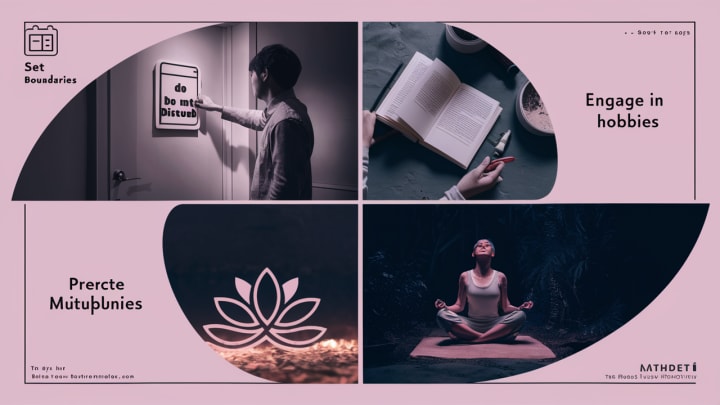
For introverts and those who enjoy solitude, here are some strategies to make the most of alone time:
- Set Boundaries: Establish clear boundaries for alone time to ensure it's respected by others.
- Engage in Hobbies: Spend time on activities that you are passionate about, whether it's reading, painting, or hiking.
- Practice Mindfulness: Use solitude to practice mindfulness and meditation, which can enhance mental clarity and reduce stress.
- Do Selfcare: Spend few minutes doing selfcare , do your skincare and feel loved.
Overcoming Social Isolation
If you or someone you know is struggling with social isolation, consider these tips:
- Reach Out: Make an effort to connect with friends, family, or support groups.
- Seek Professional Help: If feelings of isolation persist, consider consulting a mental health professional.
- Stay Active: Engage in community activities, volunteer work, or join clubs to meet new people and build social connections.
Conclusion
Understanding the key differences between being alone and being left alone is crucial for maintaining mental health and fostering positive social dynamics.
Alone time can be a powerful tool for self-growth and relaxation when chosen willingly, while being left alone can lead to feelings of rejection and isolation.
By recognizing these differences and implementing coping mechanisms, individuals can better manage their social needs and enhance their overall well-being.
Feel free to share your experiences and insights on this topic in the comments below. Let's support each other in understanding and accepting our unique social needs.
About the Creator
Ashi Writes
Read Your Thoughts With Me.
Keep reading
More stories from Ashi Writes and writers in Humans and other communities.
Why We Envy Fictional Characters: Perfection vs. Reality
K-Dramas have taken the world by storm, captivating audiences far beyond South Korea's borders. These series blend intense storylines, emotional depth, and cultural richness—elements that have made them a global phenomenon.
By Ashi Writesabout a year ago in Humans
The CEO of Everything
They say "jack of all trades, master of none," but they forgot to mention the part where the jack of all trades is also the camera woman, the makeup artist, and the person currently yelling at a tangled Wii microphone cable in a her own bathroom while recording herself singing and trying to make it look realistic and professional. (As professional as you can make it with nothing but a cell phone camera and a mic that doesn't work)
By Sara Wilson4 days ago in Humans
How Astrology Affects Twin Flame Attraction and Separation Cycles.
Twin flame attraction feels instant and consuming. Separation feels confusing and painful. Astrology explains why these cycles repeat. Planetary movements influence timing, emotional intensity, and personal growth. You experience pull and distance through energetic patterns reflected in birth charts and transits.
By Wilson Igbasi5 days ago in Humans


Comments (1)
Really well done!