
The Curious Case of Hiccups: A Journey Through the Unseen
Is there a hiccup monster inside us? What's the science behind it?

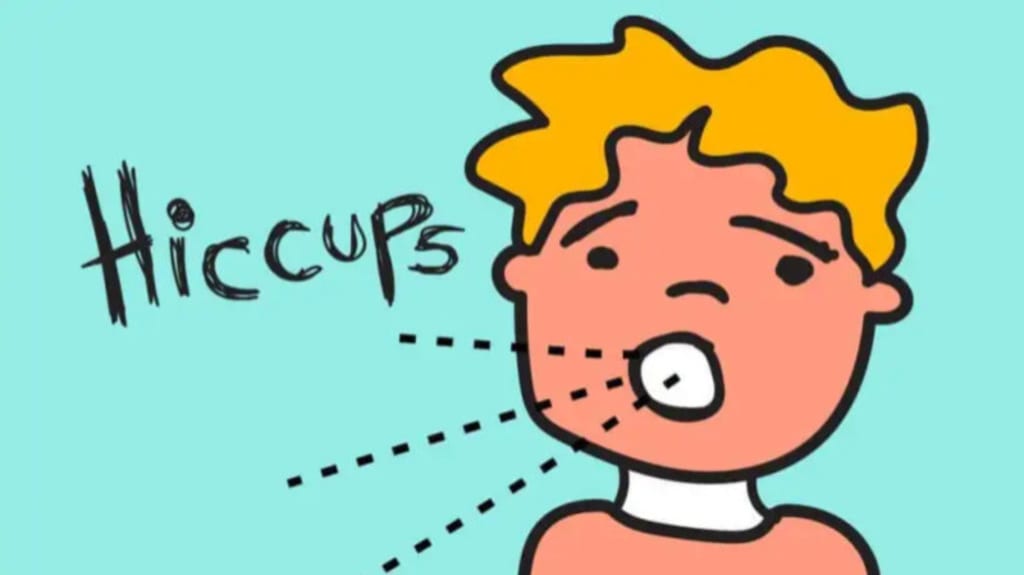
The Curious Case of Hiccups: What’s Really Going On Inside Us?
Sarah nestled up with her favorite dish, spicy butter chicken, and a cool Coke on a warm evening. A startled "hic!" escaped her lips as she went for her second taste. She stopped, gave a clumsy smile, and bided her time. However, the interruptions continued to occur, each just as she was ready to speak or bite into something traditional. However, what is the true origin of these little, uncontrollable outbursts? And why do they seem to be such an odd physical anomaly?
Let’s explore the science behind hiccups and why something so small can be surprisingly complex.
What Is a Hiccup, Exactly?
The diaphragm, the dome-shaped muscle directly beneath your lungs that is essential to breathing, contracts involuntarily during a hiccup. The glottis, a little flap in your throat, clamps shut just as soon as you inhale when this muscle tightens unexpectedly. That is the source of the distinctive "hic" sound. Like a sneeze or a blink, it's basically a reflex, but the reason for a hiccup is still somewhat of a biological mystery. It doesn't shield you from dust or dryness.
What Causes Hiccups? Typical Triggers
Although they frequently occur suddenly, hiccups typically have a known reason. In Sarah's instance, two usual culprits—spicy food and soda—were combined. However, there are a number of reasons why hiccups could pop up:
1. Overeating or eating too quickly
Your stomach may grow and press on the diaphragm when you overeat or stuff yourself, which can irritate it and cause hiccups. This is particularly true for foods that are extremely hot or cold, acidic, or spicy.
2. Carbonated drinks
Sodas and sparkling waters contain gas. Swallowing all that fizz can lead to a distended stomach — again, pressing on the diaphragm and causing it to spasm.
3. Sudden changes in temperature
Drinking something cold after a hot meal, or switching from warm to cold air too quickly, can surprise your nervous system. That jolt can set off hiccups, especially if your diaphragm is sensitive.
4. Swallowing air (aerophagia)
Talking while eating, chewing gum, or drinking through a straw can all cause you to gulp extra air, which can build pressure in the stomach and lead to hiccups.
5. Strong emotions or stress
Believe it or not, excitement, laughter, anxiety, or stress can trigger hiccups too. These emotions can disrupt the autonomic nervous system — the part of your brain that handles involuntary actions like breathing and heartbeat — which may send mixed signals to the diaphragm.
What Happens If Hiccups Continue?
Hiccups often only last a few minutes. On rare occasions, however, they may last for hours or even days. More than 48 hours of hiccups are regarded as chronic and may indicate a more serious medical problem. What may be happening is as follows:
- Nerve irritation or damage
The diaphragm is controlled in part by the phrenic and vagus nerves. They can malfunction and cause hiccups if they are agitated, possibly by acid reflux, a sore throat, or even something as minor as a hair contacting the eardrum.
• Disorders of the central nervous system
The area of the brain responsible for controlling hiccups can be impacted by diseases such as multiple sclerosis, strokes, and brain traumas.
• Digestive Disorders
Hiccups are more prone to occur when the diaphragm is stimulated by conditions like GERD (acid reflux), ulcers, or bloating.
• Imbalances in metabolism
The nerves and muscles involved in hiccup reflexes can be affected by conditions that change the body's chemical equilibrium, such as diabetes or renal illness.
• Adverse effects of medication
Hiccups are a side effect of several medications, especially those that affect the central nervous system, such as steroids, sedatives, and chemotherapeutic treatments.
It's advisable to contact a doctor if hiccups continue for an extended period of time, not just to prevent them but also to rule out other, more dangerous disorders.
The Mysteries of Evolution: Are Hiccups Necessary?
Scientists continue to argue about whether hiccups have any practical use, even after decades of study. Among the well-known hypotheses are
➤ Evolutionary leftovers
According to some experts, hiccups are a vestigial reflex, which means that although we no longer utilize them, our ancestors may have needed them. For example, while switching between air and water breathing, amphibians employ a similar action. Hiccups may thus be a holdover from the early stages of living forms' respiratory systems' development.
➤Babies' burping reaction
According to a different idea, hiccups, particularly in neonates, constitute a rudimentary burping reflex. Before they learn how to burp correctly, babies' frequent hiccups may assist them in releasing air from their stomachs after eating.
➤ Diaphragm training before to birth
According to studies, fetal hiccups can occur as early as the third trimester. According to some, it could aid in the development of the breathing muscles and get the lungs ready for life after pregnancy.
How Can Hiccups Be Removed?
Here are some well-liked treatments that people swear by, all of which try to divert the brain or reset the diaphragm, but there is no surefire cure:
Take a few moments to hold your breath.
Sip water gently from the other side of a cup or rapidly.
Take a tablespoon of honey or sugar and swallow it.
Take a quick breath into a paper bag.
Rub the back of your neck lightly or tug on your tongue.
These techniques sometimes aid in breaking the cycle by activating certain hiccup reflex-related muscles and nerves.
Concluding Remarks: A Minor Oddity with Serious Questions
Therefore, keep in mind that hiccups are more than simply inconvenient interruptions the next time they interrupt your meal or take you by surprise during a discussion. They are a component of an intriguing, intricate response that is connected to human evolution as well as your brain and digestive system.
Although they may appear little, hiccups serve as a reminder of the true interconnection of our bodily systems. Your body is always responding, changing, and yes, even hiccuping, to keep you going, whether it's from a swallowed gasp of air to the slightest nerve pain.
About the Creator
Keep reading
More stories from Writing Palette and writers in Humans and other communities.
Time to change your life.
Is it even possible for you to change your life? A lot of people, more than there should be, are unhappy with their lives. But what are they doing about it? Usually nothing. People talk about how shitty their lives are and want change, but are they not taking the actions to change?
By Jen Phillips5 days ago in Humans
What Is a Ward in Bridgerton?
Netflix’s beloved Regency-era drama continues to spark curiosity with every season, and season 4 Bridgerton is no exception. Among the many questions viewers have asked after the premiere is: what is a ward in Bridgerton, and why does the phrase carry so much emotional weight in the story?
By Saboor Brohi 6 days ago in Humans
A Letter to the Firestarter
Dear Firestarter, We can all see you, we've been watching you since you began. In case you didn't know we were here before you and we will be here after. We witnessed your rise, your setbacks, your guilt and your lies. We witnessed you start the fire.
By Donny Foley6 days ago in Poets




Comments
There are no comments for this story
Be the first to respond and start the conversation.