
The Child Who Cried “Allah” Outside the Green Dome
The Child Who Cried “Allah” Outside the Green Dome

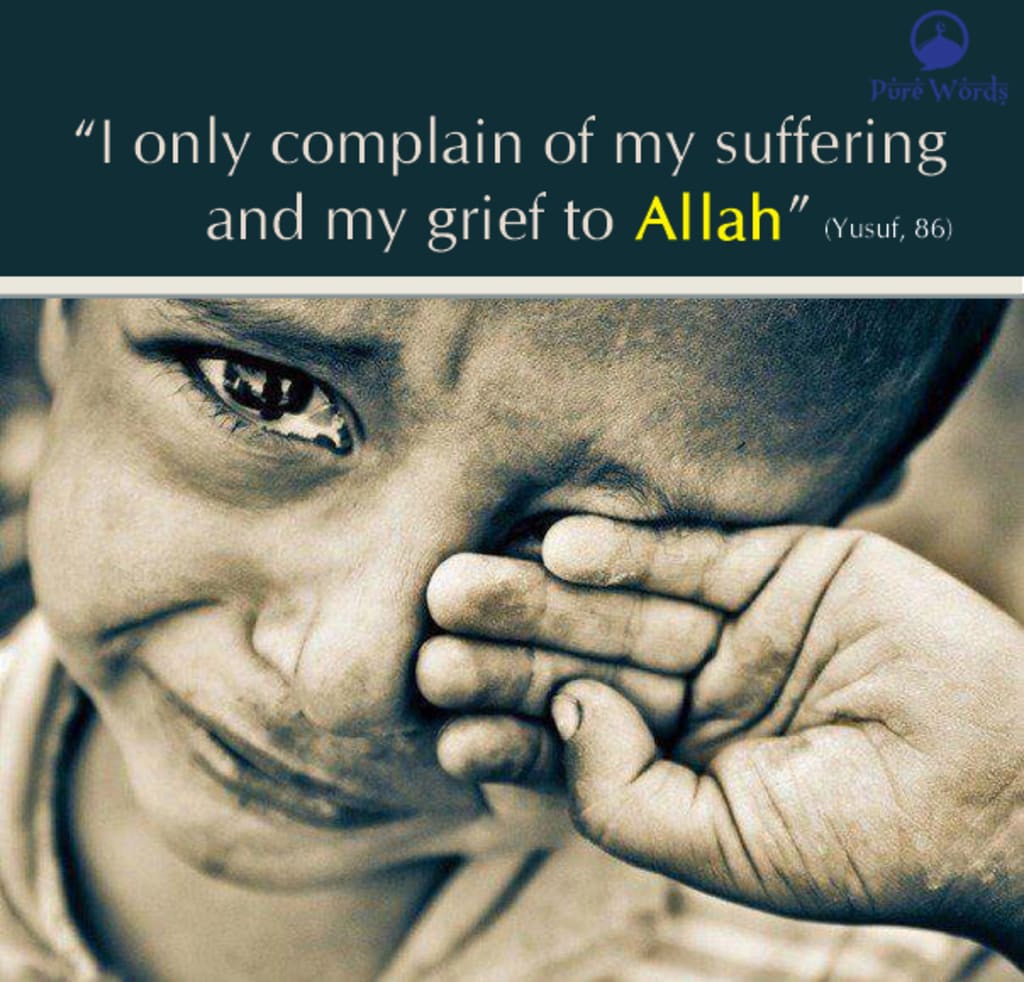
The child stood trembling before the grand mosque, his small hands clutching the word “Allah” crafted in glowing calligraphy. Tears rolled freely down his cheeks, his lips quivering as he whispered prayers only he and his Creator could understand. Behind him rose the magnificent Green Dome of Madinah, a symbol of peace, mercy, and eternal love. Yet in his heart, there was a storm—an ache too vast for such a young soul to carry.
No one knew exactly why he wept so bitterly. Some said he was lost, separated from his parents in the crowd of pilgrims. Others believed he had felt the overwhelming presence of the sacred place, a presence that humbles even the strongest men. But those who saw him that day never forgot the image: a boy crying not out of fear, but out of longing for something greater than himself.
In today’s world, where innocence is often lost too quickly, his tears carried meaning. They reminded people of the simplicity of faith—a child’s pure cry for Allah. No sophistication, no arguments, no philosophy. Just love and need, raw and undeniable.
A Child’s Prayer in a World of Noise
Many adults around the world spend their days drowning in endless distractions—scrolling screens, chasing wealth, and seeking temporary joys. The boy’s tears stood in sharp contrast to that emptiness. His prayer was silent, yet it spoke louder than all the noise of the world.
For believers, his cry was a mirror. How long had it been since they themselves had stood before their Creator with such sincerity? How long since tears had flowed for reasons beyond worldly pain—tears born from the yearning of the soul?
The Prophet Muhammad (peace be upon him) once said, “Two eyes will never be touched by the fire: an eye that weeps from the fear of Allah, and an eye that keeps watch in the path of Allah.” Those who saw the boy believed they had witnessed the first kind—an eye purified by sincere tears.
From Madinah to the World
News of the crying boy spread quickly, shared through photos and words across social media. Some scrolled past without much thought. Others stopped, their hearts stirred. People in faraway lands began reflecting on their own faith journeys.
A woman in London wrote that the boy’s photo reminded her of her grandmother’s prayers, the nights she had once spent listening to whispered supplications before sleep. She had abandoned her faith for years, but the sight of the child reignited a spark she thought had died.
A young man in South Africa admitted that the boy’s tears pushed him to pick up the Qur’an again after months of neglect. “If a child can cry for Allah with such sincerity,” he wrote, “what excuse do I, as an adult, have to turn away?”
This is the power of sincerity—it travels beyond borders and languages. A single act, unplanned and unpolished, can ripple across the world and awaken hearts.
Lessons from Innocence
The boy did not stand there to be seen. He did not weep for cameras or for admiration. His moment was private between him and Allah, though the world became its witness. That purity is what touched so many hearts.
Faith, at its essence, is not complicated. It is the turning of one’s heart to the Creator with honesty, the way a thirsty soul turns to water. Adults complicate it with debates, politics, and pride. But a child shows us that at its core, faith is as simple as a tear shed in yearning.
The child outside the Green Dome reminded the world of what it means to be human: to recognize weakness before the Almighty, and to seek strength in Him alone.
A Message for Us All
When we see the boy’s tears, we are faced with a choice. Do we dismiss them as just another passing image, or do we let them awaken something within us? His prayer may have been for himself, but its echoes call out to each of us.
Perhaps his tears are a reminder to slow down, to put aside distractions, and to reconnect with Allah. Perhaps they call us to soften our own hearts, to remember that true strength lies not in arrogance but in humility.
The world may never know the full story behind that child’s cry. But maybe the details do not matter. What matters is what we do after seeing it—whether we allow ourselves to be changed, even in the smallest way.
One day, when the child grows older, he may forget the moment. But the world will remember. And his innocent cry will continue to echo in the hearts of all who witnessed it, a timeless reminder of faith’s simplicity and power.
The story end kay mujay pata lagay kay yahatak story hay.
About the Creator
Keep reading
More stories from waseem khan and writers in Humans and other communities.
The surprising trend of converting to Islam around the world: Why people are choosing Islam.
The Surprising Trend of Converting to Islam Around the World: Why People Are Choosing Islam Despite Islamophobia In an era marked by widespread misinformation, cultural clashes, and rising Islamophobia, one trend continues to surprise sociologists and religious scholars alike: the steady and, in some regions, growing number of people converting to Islam.
By waseem khan7 months ago in Humans
Instant Soul Recognition: The Subtle Cues That Signal a Lifelong Connection.
In a world filled with fleeting encounters and surface-level interactions, meeting someone who feels instantly familiar can be a rare and profound experience. This phenomenon—often called recognizing a kindred spirit—goes beyond mere chemistry or shared interests. A kindred spirit is someone whose energy, values, outlook, and inner rhythm align so seamlessly with yours that it feels like your soul has encountered an old friend, even if you've just exchanged names.
By Wilson Igbasi6 days ago in Humans
TUS NUA - ch 53
TUS NUA – ch 53 New Beginnings – Mia and Midnight (*)(*)(*) Finola knew Ali’s brother-in-law needed to put his mind at rest. She fed her arm through his and led him outside. “We’ll sit here. If you like, I can put a block around us so our conversation will be private.”
By Margaret Brennan5 days ago in Fiction


Comments
There are no comments for this story
Be the first to respond and start the conversation.