
The Brutal Truth: What It's Really Like to Be Shot
An In-Depth Exploration of the Physical and Emotional Impact of Gunshot Wounds
Introduction
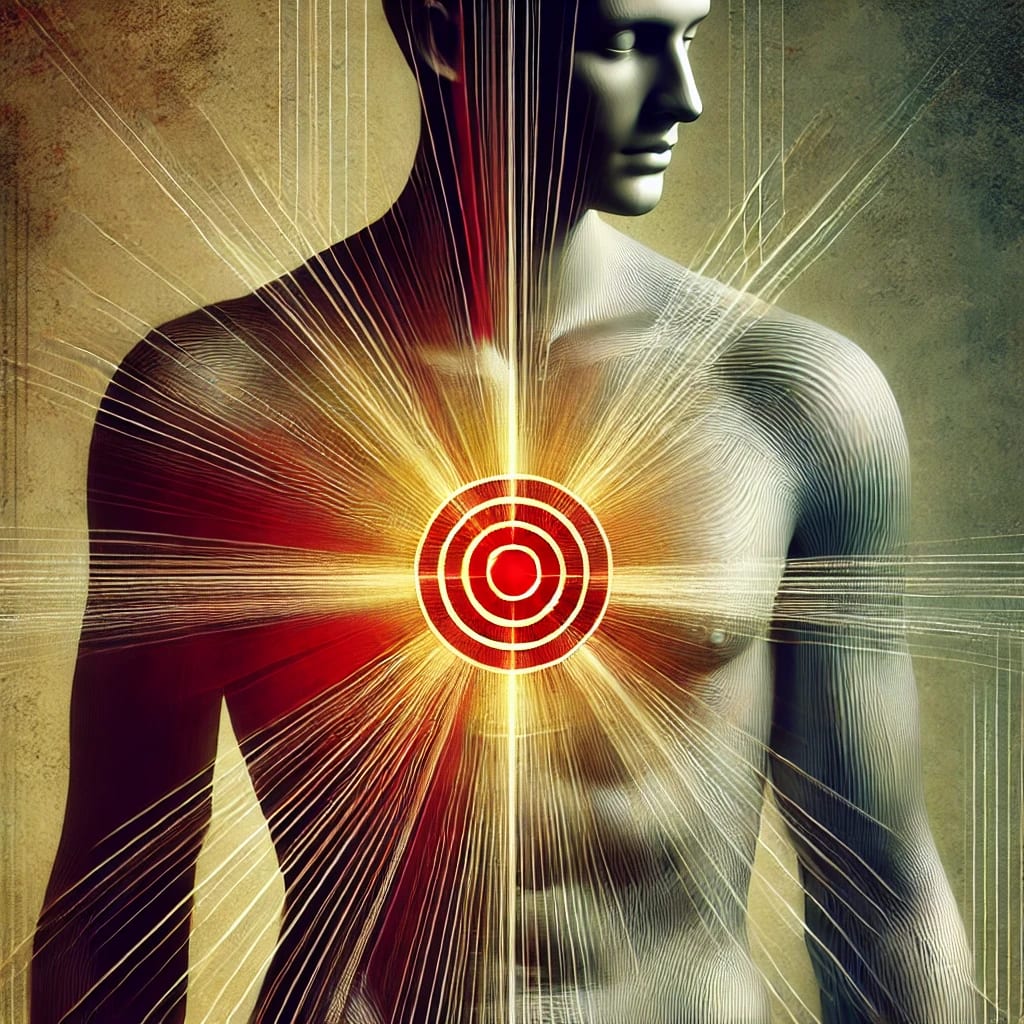
Getting shot is an experience fraught with pain, trauma, and complex emotional repercussions. Often depicted in films and television, the reality of being shot is marked by a series of unique physical sensations that can significantly differ from one person to another. In the United States, thousands of individuals survive gunshot wounds each year, and their accounts reveal a variety of feelings and bodily reactions to this harrowing experience. This article explores what it feels like to be shot, focusing on survivor experiences and the psychological scars they bear long after the physical wounds have healed.
Initial Sensations and Physical Experience
The Shock of Impact
Survivors of gunshot wounds often describe the initial moment of impact quite differently than one might expect. Contrary to the expectation of instantaneous, excruciating pain, many report feeling little to no discomfort right after being shot. Instead, they experience a sort of shock or disbelief. One survivor noted that the bullet felt like “a small pebble” hitting her side, emphasizing the absence of immediate pain.
This phenomenon can be explained by the body’s instinctive response to trauma. Upon realization of injury, the brain releases adrenaline, increasing heart rate and blood pressure while masking pain temporarily. This state, known as "fight or flight," can make it easier for victims to endure an injury, allowing them to maintain some level of function even if severely wounded.
The Burning Sensation
As the initial shock wears off, many survivors report a prevalent burning sensation where the bullet penetrates the skin. This burning is often described as similar to an intense bee sting or a continuous needle being pushed into the body. The sensation may begin subtly but can quickly escalate to a feeling comparable to a severe sunburn localized at the entry point.
Survivors articulate this burning sensation with a range of descriptors; some compare it to the feeling of a hot poker pressing into their flesh, while others describe it as jabbing needles that seem to dig deeper with relentless intensity. This transition from numbness to a burning sensation reflects the body’s response to trauma as it becomes aware of the injury and begins sending pain signals to the brain.
Variations in Experience by Bullet Type and Location
The Role of Bullet Size and Type
The experiences of being shot can differ significantly based on the type and caliber of the bullet. Larger bullets typically cause more damage and, consequently, more pain, while smaller bullets may not invoke the same level of discomfort. For instance, a .22 caliber bullet may not feel as severe as a larger round or a bullet that shatters into shrapnel upon impact, which can result in widespread tissue damage.
Survivors also note that the location of the wound has a profound impact on their experiences. A gunshot wound to areas with plentiful nerve endings, such as the abdomen or head, tends to be more painful than those affecting less sensitive regions like the calf, which has fewer vital organs.
Experiences from Soldiers
Interestingly, soldiers who have experienced gunshot wounds report slightly different sensations because they are often facing larger caliber bullets typical of military-grade weapons. One soldier described the intense pain that followed the initial shock as if being repeatedly bludgeoned in the stomach, leading to a feeling of overwhelming discomfort. While the shock may leave little awareness of immediate pain, the aftermath tends to bring extreme sensations that can sometimes overwhelm the previously numb areas.
Psychological Consequences of Gunshot Wounds
The Trauma of the Experience
Beyond the physical pain associated with a gunshot wound, the psychological trauma endured by survivors is significant. Many are left with post-traumatic stress disorder (PTSD) following their experiences, impacting their mental health and daily lives. Survivors recount feelings of fear that extend beyond gun violence; seemingly innocuous situations can ignite overwhelming anxiety.
Counseling and therapy can assist many victims, but not all find relief from their mental scars. The emotional trauma often becomes an enduring part of their lives, overshadowing any physical recovery.
Recovery and Long-Term Pain
The recovery process for gunshot survivors can be grueling, often surpassing the pain of the initial injury itself. Many endure multiple surgeries, face extensive rehabilitation, and live with residual pain as their bodies heal. Survivors note that the prolonged recovery period is often marked by discomfort, as well as fears of re-injury, the complexities of healing, and the psychological burden of their experience.
Conclusion
Being shot is a deeply traumatic experience, filled with a range of physical sensations that differ widely based on the individual, the type of bullet, and the wound’s location. While many survivors may not initially feel extreme pain, the aftermath often includes a burning sensation coupled with varying levels of discomfort and a plethora of physical and emotional challenges. Ultimately, the journey to recovery is not merely about healing physical wounds but also about confronting the psychological scars that can last a lifetime. The experience serves as a sobering reflection of the harsh realities of gun violence and its lasting impact on individuals and communities.
About the Creator
Autonomy Is The Real Privilege
Good morning, freedom-seekers! Today we’re gonna be looking at autonomy. A strange word, I know; one many would probably look at blankly and run away from on sight. We’re gonna figure out what it actually means, consider how it’s achieved, and decipher just how deeply most of us are tangled up in dependence without realising it.
By That ‘Freedom’ Guyabout 15 hours ago in Humans
Adaptability: The Skill That Future-Proofs Your Career
Introduction: Why Adaptability Is the New Career Insurance The modern job market is changing at an unprecedented pace. Automation, artificial intelligence, remote work, and global competition have reshaped how careers are built and sustained. In this environment, technical expertise alone is no longer enough. The single most important skill that separates professionals who thrive from those who struggle is adaptability.
By Muhammad Talha Ahmad7 days ago in Humans




Comments (1)
So so amazing .i love your content and subscribed. Kindly reciprocate by subscribing to me also . thank you and keep it up