
"The Benefits of Meditation for Stress and Anxiety: An Overview"
The benefits of meditation for stress and anxiety

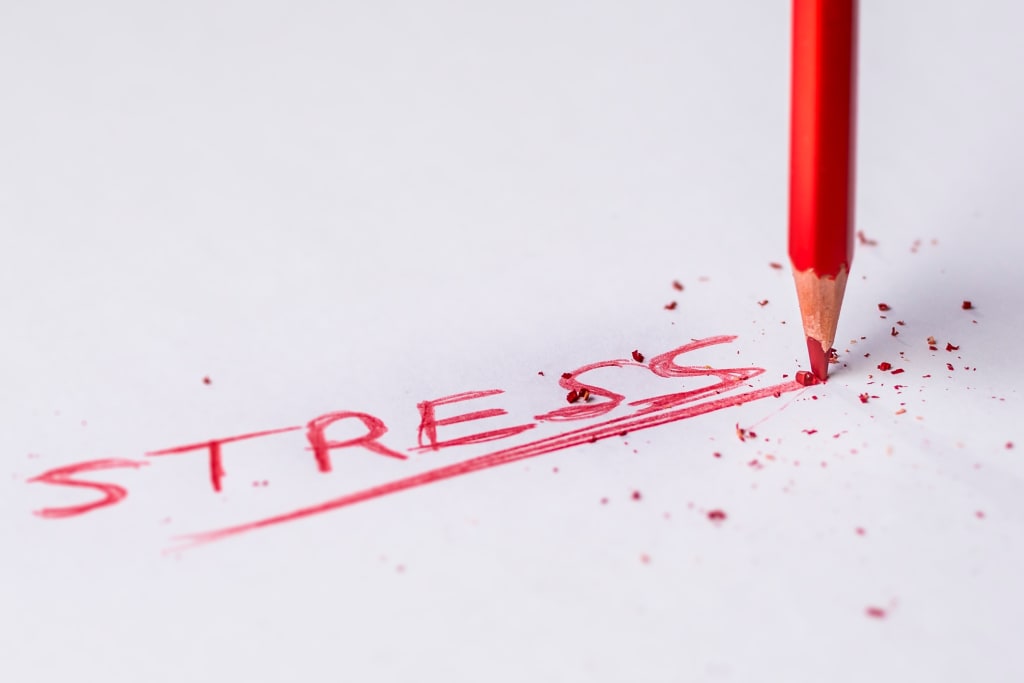
"Wow! Get ready to blow your mind with the astonishing benefits of meditation for stress and anxiety! An overview that will leave you speechless and eager to start your own practice!"
Meditation is a practice that has been used for centuries to promote physical and mental well-being. It involves training the mind to focus on the present moment and be aware of one's thoughts, feelings, and bodily sensations. Recent scientific research has provided evidence for the effectiveness of meditation in reducing symptoms of stress and anxiety.
Reduces symptoms of stress and anxiety: Regular meditation practice has been shown to decrease symptoms of stress and anxiety, such as feelings of nervousness, tension, and worry. This is thought to occur by reducing activity in the amygdala, a part of the brain that is involved in the body's stress response. Additionally, meditation has been found to increase activity in the prefrontal cortex, a part of the brain that is involved in regulating emotions and decision-making. This can help individuals feel more in control of their emotions and reactions to stressors.
Improves emotional regulation: Meditation can help individuals become more aware of their emotions and learn how to manage them in a healthy way. This can include learning to acknowledge and accept difficult emotions, rather than trying to suppress or avoid them. This can lead to better emotional regulation and less reactivity to stressors.
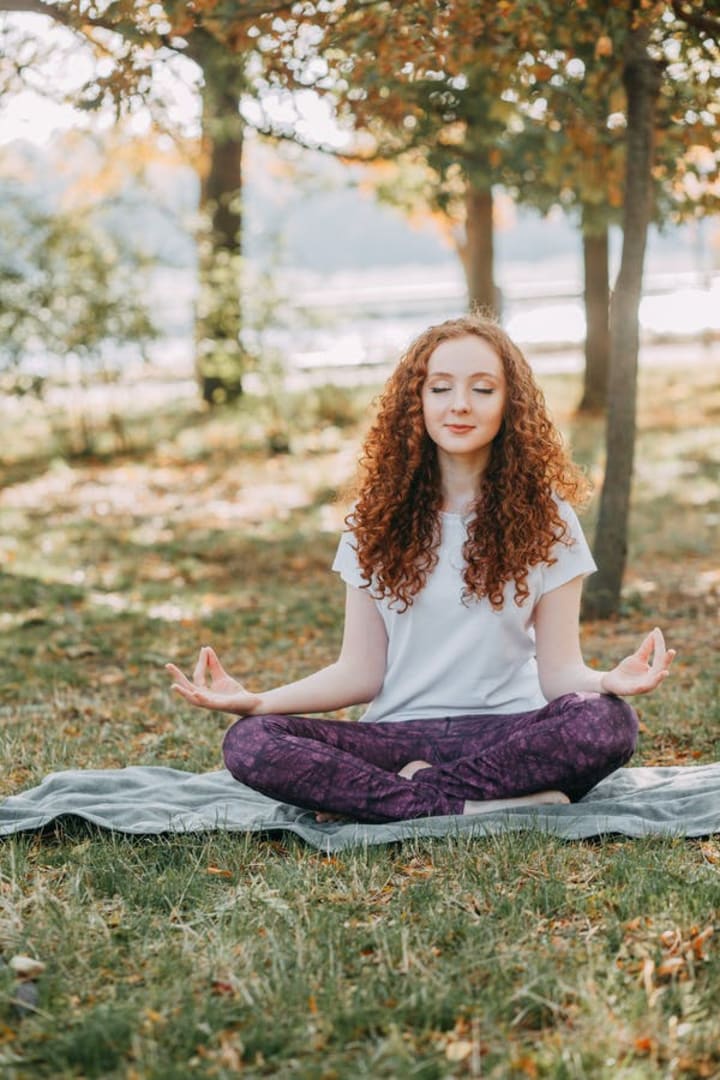
Increases focus and concentration: Meditation can improve attention and concentration, which can be helpful for individuals who struggle with distractions and scattered thoughts. This is thought to occur by strengthening the connections between brain regions involved in attention and focus, such as the prefrontal cortex and anterior cingulate cortex. Additionally, meditation has been found to increase activity in the default mode network, a part of the brain that is involved in self-referential thinking and mind-wandering.
Enhances self-awareness: Meditation can help individuals gain a deeper understanding of themselves, including their thoughts, feelings, and behaviors. This can include becoming more aware of patterns of thinking and behavior that may be contributing to stress and anxiety. This can also lead to greater insight and understanding of oneself and others.
Improves sleep: Meditation can help individuals relax and fall asleep more easily, and improve the quality of their sleep. This can include teaching individuals to focus on the present moment, rather than dwelling on the past or worrying about the future. This can help to reduce feelings of stress and anxiety, which can make it easier to fall asleep and stay asleep.
Enhances overall well-being: Regular meditation practice has been associated with improved overall well-being, including increased feelings of happiness and satisfaction with life. This is thought to occur by increasing activity in brain regions that are involved in positive emotion and social connection, such as the ventral striatum and the ventromedial prefrontal cortex. Additionally, meditation has been found to increase activity in the default mode network, which is involved in self-referential thinking and mind-wandering.

There are several ways to assess stress levels, including both self-report and physiological measures.
Self-report measures: These include questionnaires and surveys that ask individuals to rate their level of stress or symptoms of stress, such as anxiety or depression. The Perceived Stress Scale (PSS) and the Cohen's Stress Scale are examples of self-report measures.
Physiological measures: These include measuring various physiological parameters that are known to change in response to stress, such as heart rate, blood pressure, and cortisol levels.
Behavioral measures: These include observing the individual's behavior and identifying changes in behavior that may be indicative of stress. Examples include changes in appetite, sleep patterns, social interactions, and overall mood.
It's important to note that, some of these methods may require professional help to get accurate results. Additionally, it's always better to consult a doctor or a mental health professional to get a proper diagnosis and treatment.
Conclusion:
Regular meditation practice can provide numerous benefits for individuals experiencing stress and anxiety. It can reduce symptoms, improve emotional regulation, increase focus and concentration, enhance self-awareness, improve sleep and overall well-being. Meditation can be practiced by anyone and can be done at any time and place. It is a simple, yet powerful tool to manage stress and anxiety and improve overall well-being. It is recommended to practice meditation regularly and it may take some time to notice the benefits.
About the Creator
Nova
As an article writer and poet, I am excited to share my knowledge and creativity with the world. I bring accuracy and attention to detail to my writing, thoroughly researching topics for my articles and pouring my emotions into my poems.
The Coming Climate Migration. Which U.S. Cities Prepare and Which Stay in Denial.
Climate migration no longer sits in the future. It unfolds now. Floods displace families. Heat strains cities. Drought limits water supply. Insurance retreats. People move when daily life breaks down. The United States faces internal migration driven by climate pressure rather than borders.
By Wilson Igbasi5 days ago in Humans


Comments