
The Bajau: Human Evolution Beneath the Waves
‘SUPERHUMAN’ Tribe Can Hold Breath for 13 MINUTES Underwater

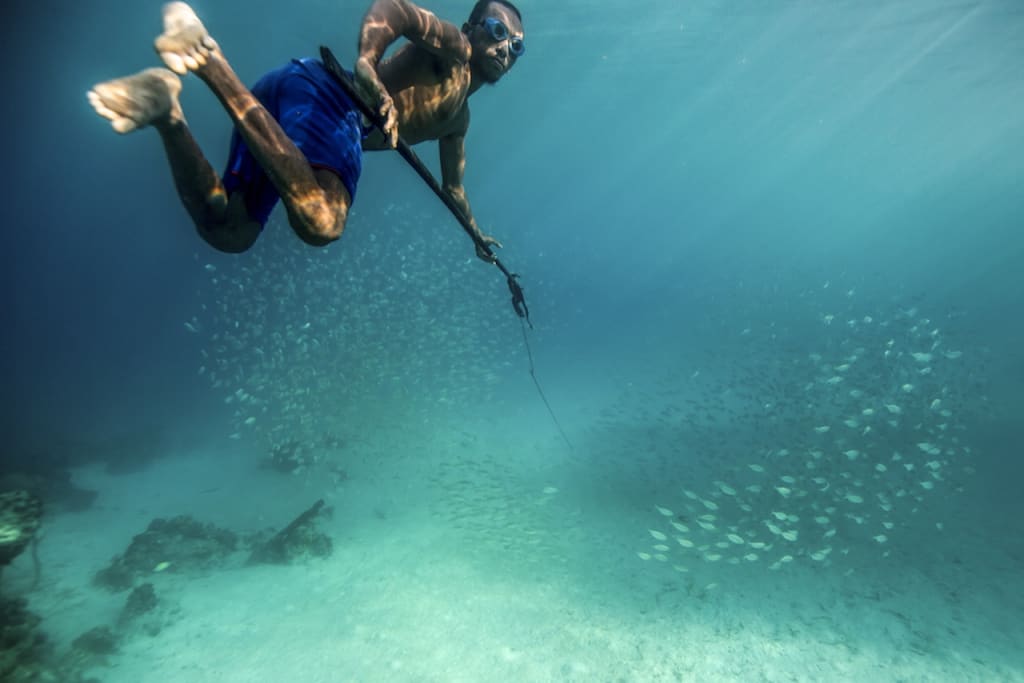
Is it possible for humans to survive underwater like fish? Surprisingly, there is some evidence suggesting that this idea isn't as far-fetched as it might seem. While we're a long way from breathing underwater like mermaids, one particular tribe has developed remarkable adaptations that enable them to spend extended periods submerged in the ocean. These people are the Bajau, a group first mentioned in the 16th century by Venetian explorer Antonio Pigafetta. The Bajau are native to Indonesia, the southern Philippines, and Malaysia, and their entire way of life revolves around the sea. They gather their food from the ocean floor, which means they spend a significant amount of time underwater.
Diving is essentially a full-time job for the Bajau. Remarkably, they spend up to eight hours a day underwater, equipped with nothing more than a mask and a weight to help them stay submerged. This raises the question: how can they remain underwater for so much longer than the average person?
The answer lies in their unique human biology. The Bajau possess an extraordinary physiological trait: an enlarged spleen. The spleen is a versatile organ located in the abdomen, primarily responsible for recycling old red blood cells and storing white blood cells. It also plays a crucial role in the Bajau's ability to survive underwater.
When a human dives, they undergo a process known as the "human dive response," which involves peripheral vasoconstriction. This means that the heart rate slows, and blood vessels constrict to conserve oxygen, prioritizing its delivery to essential organs. The spleen then contracts, releasing oxygenated red blood cells into the bloodstream, providing an additional oxygen supply. Thanks to their larger-than-average spleens, the Bajau can maximize this process, allowing them to stay underwater for extended periods.
One might logically assume that the Bajau developed larger spleens due to their constant diving, but research shows that the spleen size difference is present even in those who don't dive. This suggests a genetic adaptation rather than a purely environmental one. The Bajau's spleens are notably larger than those of their neighboring populations, indicating a significant evolutionary advantage that has been passed down through generations.
This remarkable adaptation raises intriguing questions about the potential for other types of "superhumans" with extraordinary abilities. Could there be humans capable of thriving in extreme temperatures, whether scorching heat or freezing cold? While this notion might sound like something out of an X-Men comic, it highlights the incredible capacity for human adaptation and evolution.
Scientific studies have delved into the genetic basis for the Bajau's enlarged spleens. In 2018, a study led by researchers from the University of Copenhagen discovered that the Bajau have a gene called PDE10A, which is associated with spleen size. This gene is thought to regulate thyroid hormones, which in turn influence the size of the spleen. This genetic trait is present in the Bajau at a higher frequency than in neighboring populations, providing strong evidence that natural selection has favored those with larger spleens.
The Bajau's ability to dive for extended periods has significant implications for understanding human physiology and adaptation. It suggests that humans are capable of evolving specific traits in response to their environment, even within relatively short evolutionary timescales. This finding opens the door to further research into other human populations that may have developed unique adaptations to their environments.
The Bajau's story is a fascinating example of how humans can develop unique physiological traits in response to their environment. It also underscores the importance of scientific research in uncovering these hidden aspects of our biology. While we may not all be destined to live underwater, the Bajau's adaptations provide a glimpse into the incredible diversity of human capabilities and the potential for future discoveries about our species.
In addition to their physiological adaptations, the Bajau's lifestyle offers valuable insights into sustainable living and the relationship between humans and the natural world. Their deep connection to the ocean and reliance on its resources underscore the importance of preserving marine ecosystems. As the Bajau navigate the challenges of modernization and environmental change, their unique way of life serves as a reminder of the diverse ways humans can adapt to and thrive in different environments.
In conclusion, while humans are not yet capable of breathing underwater like fish, the Bajau people provide a compelling example of how our species can adapt to extreme conditions. Their enlarged spleens and remarkable diving abilities highlight the potential for human evolution in response to environmental pressures. As science continues to explore the mysteries of human biology, who knows what other extraordinary adaptations we might discover? The story of the Bajau is just one chapter in the ongoing saga of human evolution and adaptability.
About the Creator
Mariana
I'm a storyteller at heart, weaving narratives that uncover the extraordinary. I write to provoke thought, inspire and stir the soul. Join me in exploring the magic in the mundane, where creativity and passion leave a lasting impact.
Autonomy Is The Real Privilege
Good morning, freedom-seekers! Today we’re gonna be looking at autonomy. A strange word, I know; one many would probably look at blankly and run away from on sight. We’re gonna figure out what it actually means, consider how it’s achieved, and decipher just how deeply most of us are tangled up in dependence without realising it.
By That ‘Freedom’ Guy4 days ago in Humans
The Hidden Valentine part 1
The First Message The lab was quiet at 2:13 AM, a time when even the fluorescent lights seemed to pause their buzzing, as if they were holding their breath. Maya stood alone beside the server bank, the only sound the faint hum of cooling fans and the soft click of her own heartbeat.
By Ahmed aldeabella2 days ago in Humans




Comments (3)
Thanks for the analysis
Excellent written
A creative work.