
"The Art of Healing: How Art Therapy Can Help You Find Inner Peace"
Inner Peace Is Important For Peacefulness
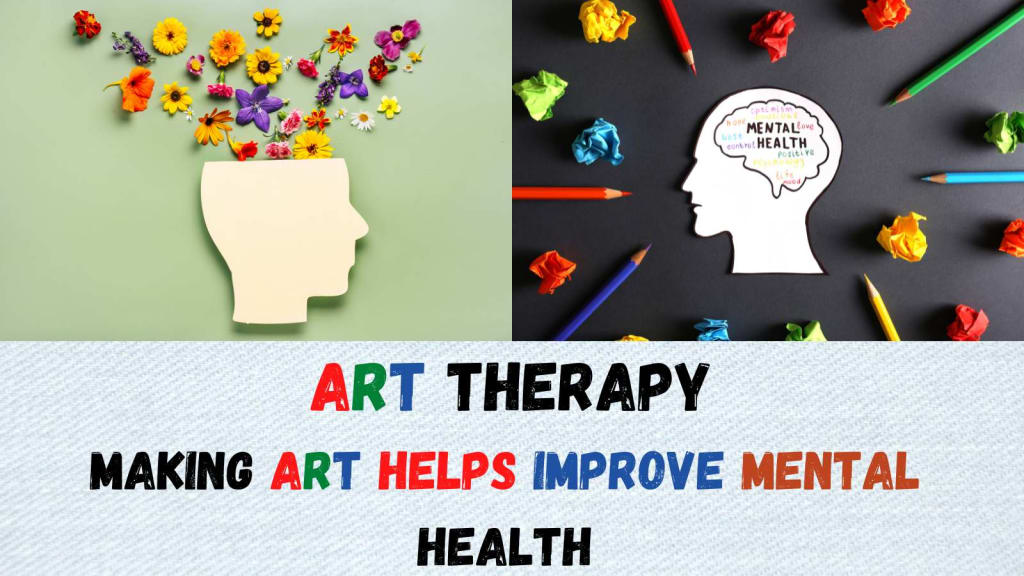
“The Art of Healing: How Art Therapy Can Help You Find Inner Peace”
I. Introduction
A. Explanation of the concept of art therapy
Art therapy is a form of therapy that uses art making to improve mental, emotional, and physical well-being.
It combines traditional talk therapy with creative expression.
The focus of therapy is the art-making process itself.
Art therapists are trained mental health professionals who use art as a form of therapy.
Art therapy can be used to treat a wide range of mental health issues, including anxiety, depression, trauma, and addiction.
The benefits of art therapy include providing a safe and non-threatening way for individuals to express themselves, promoting relaxation and stress reduction, and facilitating self-expression and exploration.
B. Brief history of art therapy
Art therapy has roots in the early 20th century with the work of psychiatrists who used art-making as a tool for assessing and treating their patients.
The first official art therapy class was offered in 1942 at the New York School of Social Work by artist and therapist Margaret Naumburg.
In the 1950s, the field of art therapy began to grow and formalize with the establishment of the American Art Therapy Association (AATA).
The 1960s and 1970s saw the development of art therapy training programs, the publication of research studies, and the integration of art therapy into mainstream healthcare settings.
Art therapy has continued to evolve and expand, with a growing body of research supporting its effectiveness as a form of therapy. Today, it is used in a variety of settings, including hospitals, schools, mental health clinics, and community centers
C. Purpose of the article: to explore how art therapy can help individuals find inner peace
The purpose of the article is to examine how art therapy can be used as a tool for finding inner peace.
It will explore the ways in which the creative process of art-making can promote relaxation and stress reduction.
The article will also discuss how art therapy can facilitate self-expression and exploration, leading to greater self-awareness and personal growth.
It will highlight the benefits of using art therapy as a means of promoting emotional, mental, and physical well-being.
The article will also provide examples of how art therapy has been used successfully in various settings to help individuals find inner peace.
II. The Science Behind Art Therapy
Art therapy is a type of psychotherapy that involves using artistic expression to help individuals improve their emotional, mental, and physical well-being. Although it is often considered a non-traditional form of therapy, there is a growing body of research that supports its effectiveness.
One of the primary ways in which art therapy works is by stimulating the brain's reward centers. When individuals create art, their brains release dopamine, a chemical that is associated with pleasure and reward. This can help to reduce stress and promote feelings of well-being.
Another way in which art therapy works is by activating different parts of the brain. For example, when individuals engage in visual art activities, such as drawing or painting, they activate the right hemisphere of the brain, which is associated with creativity and emotional expression. By contrast, verbal activities, such as talking about emotions, activate the left hemisphere of the brain, which is associated with logic and analytical thinking. Art therapy can therefore be a helpful tool for individuals who struggle with traditional talk therapy or who have difficulty expressing themselves verbally.
Art therapy has also been shown to be effective in regulating emotions. By creating art, individuals can externalize their emotions and gain a sense of control over them. This can be particularly helpful for individuals who have experienced trauma or have difficulty managing intense emotions.
In addition to these benefits, art therapy has been found to be helpful for a wide range of mental health conditions, including depression, anxiety, PTSD, and substance abuse disorders. It can also be beneficial for individuals who are dealing with physical health issues, such as chronic pain or illness.
Overall, the science behind art therapy suggests that it can be a powerful tool for promoting emotional, mental, and physical well-being. By engaging in artistic expression, individuals can activate different parts of the brain, release feel-good chemicals, and gain a sense of control over their emotions. As such, it is a valuable addition to traditional psychotherapy and can be helpful for individuals of all ages and backgrounds.
A. Explanation of how creating art affects the brain
Creating art can stimulate and engage different areas of the brain, including those involved in perception, memory, emotion, and problem-solving.
It can activate the reward centers of the brain, releasing feel-good neurotransmitters like dopamine and serotonin.
Art-making has been found to decrease cortisol levels, which are associated with stress, and increase alpha brain waves, which are associated with relaxation and calm.
It can promote neural plasticity, or the brain's ability to change and adapt, leading to improved cognitive function and mental flexibility.
Creating art can also enhance self-esteem and self-efficacy, as individuals gain a sense of accomplishment and mastery through the process of making art.
B. The role of art therapy in regulating emotions
Art therapy can help individuals regulate their emotions by providing a safe and non-judgmental outlet for expression.
It allows individuals to externalize their internal experiences and emotions, making them easier to identify, understand, and manage.
Art therapy can promote emotional self-awareness and provide a way to process difficult emotions and experiences.
It can also help individuals develop coping skills and strategies for managing overwhelming emotions.
The creative process of art-making can be soothing and calming, promoting relaxation and reducing stress and anxiety.
Art therapy can also improve emotional regulation in individuals with mood disorders, such as depression and bipolar disorder, by providing a way to express and process their feelings.
C. The benefits of art therapy in improving mental health
Art therapy can be used to address a range of mental health concerns, including anxiety, depression, trauma, and addiction.
It provides a nonverbal and nonthreatening way to express emotions and explore experiences.
The creative process of art-making can be therapeutic in and of itself, promoting relaxation and stress reduction.
Art therapy can help individuals gain insight into their thoughts, feelings, and behavior, leading to greater self-awareness and personal growth.
It can also improve communication and interpersonal skills, and promote a sense of connection and belonging.
Art therapy has been found to be effective in reducing symptoms of mental illness and improving overall mental health and well-being
III. The Practice of Art Therapy
Art therapy is a type of therapy that uses artistic expression to help individuals improve their emotional, mental, and physical well-being. There are several approaches to art therapy, and the specific techniques used may vary depending on the individual's needs and preferences. However, there are some common elements of art therapy that are used in many different settings.
One of the primary techniques used in art therapy is free drawing or painting. This involves providing the individual with art supplies and allowing them to create whatever they wish. The therapist may observe and ask questions about the artwork, but generally allows the individual to take the lead in the creative process. This can be a helpful technique for individuals who have difficulty expressing themselves verbally or who struggle with anxiety or stress.
Another technique used in art therapy is guided imagery. This involves asking the individual to imagine a scene or situation and then creating artwork based on that visualization. This technique can be helpful for individuals who are dealing with trauma or who have difficulty accessing their emotions.
Collage is another common technique used in art therapy. This involves creating a picture using cut-out images from magazines or other materials. Collage can be helpful for individuals who have difficulty expressing themselves through drawing or painting, or who prefer a more tactile approach to art therapy.
Sculpture and other three-dimensional art forms can also be used in art therapy. This can be a helpful technique for individuals who prefer working with their hands or who have difficulty expressing themselves through two-dimensional art.
Regardless of the specific techniques used, art therapy is typically guided by a trained therapist who is skilled in helping individuals explore their emotions and gain a greater understanding of themselves. The therapist may use a variety of interventions, including questioning, active listening, and interpretation, to help the individual gain insight into their feelings and behaviors.
Overall, the practice of art therapy involves using artistic expression as a tool for promoting emotional, mental, and physical well-being. By engaging in the creative process, individuals can access parts of themselves that may be difficult to express verbally, and can gain a greater sense of control over their emotions and behaviors
A. Different approaches to art therapy
There are different approaches to art therapy, each with its own theoretical foundations and techniques.
The person-centered approach emphasizes the therapeutic relationship between the therapist and client, focusing on the individual's unique experience and self-expression.
The psychodynamic approach explores the unconscious processes that influence behavior, using art-making as a way to access and process unconscious material.
The cognitive-behavioral approach uses art-making to help individuals identify and challenge negative thought patterns and behaviors.
The art-based mindfulness approach combines art-making with mindfulness techniques to promote relaxation, reduce stress, and increase self-awareness.
The Gestalt approach emphasizes the importance of the present moment and encourages individuals to explore the sensory experience of art-making to gain insight into their emotions and behavior.
B. Common art therapy techniques and exercises
There are a variety of art therapy techniques and exercises that can be used to facilitate therapeutic change.
One common technique is free-form drawing or painting, which allows individuals to create spontaneously without a specific goal or outcome in mind.
Another technique is guided imagery, where the therapist guides the individual through a visualization or imagined scenario while they create art.
Collage-making can also be used, where individuals can create a visual representation of their emotions and experiences using a variety of materials.
Sculpture-making can also be used to help individuals express and explore their feelings and experiences in a 3-dimensional form.
Journaling and creative writing can be combined with art-making as a way to process thoughts and emotions.
Art therapy exercises can also involve using specific colors or materials to represent emotions or exploring a particular theme or idea through art.
C. How art therapy is used to address specific mental health issues
Art therapy can be used to address a wide range of mental health issues, including anxiety, depression, PTSD, and addiction.
For individuals with anxiety, art therapy can provide a way to express and process anxious feelings in a nonverbal way, and can also help individuals develop relaxation and coping strategies.
For individuals with depression, art therapy can promote self-expression and self-awareness, as well as improve mood and self-esteem.
Art therapy can be especially effective for individuals with PTSD, as it provides a way to process traumatic experiences and reduce the associated symptoms of hyperarousal and avoidance.
For individuals struggling with addiction, art therapy can provide a way to express difficult emotions and experiences, as well as develop new coping skills and strategies for managing triggers and cravings
IV. Finding Inner Peace through Art Therapy
Art therapy is a type of therapy that can help individuals find inner peace and promote emotional, mental, and physical well-being. Through the creative process, individuals can explore their emotions and gain a deeper understanding of themselves, which can lead to a greater sense of calm and inner peace.
One way in which art therapy can promote inner peace is by providing a safe and non-judgmental space for individuals to express themselves. This can be particularly helpful for individuals who have experienced trauma or who have difficulty expressing themselves verbally. By creating art, individuals can externalize their emotions and gain a sense of control over them, which can promote feelings of calm and relaxation.
Another way in which art therapy can promote inner peace is by fostering mindfulness. Mindfulness is the practice of being fully present in the moment, without judgment or distraction. Art therapy can help individuals cultivate mindfulness by encouraging them to focus on the creative process and the sensations associated with creating art. By staying present in the moment, individuals can reduce stress and anxiety, and gain a greater sense of calm and inner peace.
Art therapy can also promote inner peace by encouraging self-care. Creating art can be a form of self-care, as it allows individuals to engage in a pleasurable activity that promotes relaxation and stress reduction. Additionally, art therapy can help individuals identify self-care strategies that work for them, such as engaging in creative activities, spending time in nature, or practicing mindfulness.
Overall, art therapy can be a powerful tool for promoting inner peace and well-being. By engaging in artistic expression, individuals can explore their emotions, cultivate mindfulness, and engage in self-care practices that promote relaxation and stress reduction. Whether used in conjunction with traditional talk therapy or as a standalone treatment, art therapy can help individuals find greater peace and happiness in their lives.
A. Explanation of how art therapy can help individuals find inner peace
Art therapy can help individuals find inner peace by providing a safe and supportive space for self-expression and emotional exploration.
Through creating art, individuals are able to access and process emotions that may be difficult to express through words alone.
Engaging in art-making can promote relaxation and reduce stress, allowing individuals to feel more grounded and centered.
Art therapy can also help individuals cultivate a sense of mindfulness and presence in the present moment, which can be a powerful tool for finding inner peace.
Additionally, art therapy can help individuals develop a deeper understanding and acceptance of themselves, which can promote self-compassion and increase feelings of inner peace.
B. Real-life examples of how art therapy has helped individuals find inner peace
There are numerous real-life examples of individuals who have found inner peace through art therapy.
For example, one person struggling with anxiety and depression found relief through creating art, which allowed them to express and process difficult emotions and improve their mood.
Another person struggling with trauma and PTSD found that art therapy helped them develop a greater sense of self-awareness and self-compassion, which in turn promoted feelings of inner peace.
Art therapy has also been used to help individuals with chronic pain or illness find a sense of calm and peace, as well as to help individuals in addiction recovery explore and process underlying emotions.
Real-life examples of the benefits of art therapy demonstrate its potential to help individuals find inner peace and improve overall mental health and well-being.
C. The importance of art therapy in overall wellness
Art therapy is a powerful tool for promoting overall wellness, as it can improve mental, emotional, and physical health.
Engaging in art-making can promote relaxation, reduce stress, and improve mood, which can have positive effects on physical health as well.
Art therapy can also help individuals develop coping skills and emotional regulation strategies, which can be useful in managing a wide range of mental health issues and life stressors.
Additionally, art therapy can promote self-awareness, self-compassion, and self-esteem, which are important components of overall wellness.
By addressing mental health and emotional issues through art therapy, individuals may also experience improved relationships, increased creativity, and greater sense of purpose and meaning in life.
V. Incorporating Art Therapy into Your Life
Art therapy can be a powerful tool for promoting emotional, mental, and physical well-being. Whether you are dealing with stress, anxiety, or simply looking for a way to express yourself creatively, incorporating art therapy into your life can have a positive impact on your overall well-being. Here are some tips for incorporating art therapy into your life:
Set aside time for creative expression: Whether you prefer drawing, painting, collage, or sculpture, set aside regular time for creative expression. This could be as simple as spending 15 minutes each day with a sketchbook or creating a larger artwork over the course of several weeks.
Create a dedicated space: Create a space in your home or office where you can create art. This could be a corner of a room or a dedicated studio space. Having a dedicated space can help you get into the creative mindset and make it easier to engage in regular artistic expression.
Experiment with different materials: Don't be afraid to try new materials and techniques. Whether you prefer working with paint, clay, or found objects, experimenting with different materials can help you find the medium that best suits your needs and preferences.
Work with a therapist or group: Working with a therapist or art therapy group can be a helpful way to explore your emotions and gain insight into yourself. An art therapist can guide you through the creative process and help you gain a deeper understanding of your thoughts and feelings.
Use art for self-care: Creating art can be a form of self-care. Whether you are feeling stressed or simply need a break from daily responsibilities, spending time creating art can promote relaxation and reduce stress.
Incorporating art therapy into your life can be a powerful way to promote emotional, mental, and physical well-being. By setting aside time for creative expression, experimenting with different materials, and working with a therapist or group, you can explore your emotions, gain insight into yourself, and promote relaxation and self-care.
A. Ways to incorporate art therapy into daily life
Art therapy techniques can be incorporated into daily life to promote ongoing self-care and emotional regulation.
Some simple ways to incorporate art therapy into daily life include doodling, coloring, or keeping a daily art journal.
Creating art as a form of self-expression can be a therapeutic and cathartic experience, even if it is not done in a formal therapy setting.
Mindful art-making, or intentionally focusing on the process of creating art rather than the end result, can be a powerful way to reduce stress and promote relaxation.
Consider setting aside dedicated time each day or week for art-making as a form of self-care and emotional support.
B. Recommendations for finding an art therapist or creating a DIY art therapy practice
When seeking an art therapist, it is important to do research and find a licensed and experienced professional who specializes in art therapy.
Consider seeking referrals from mental health professionals or professional organizations such as the American Art Therapy Association.
When creating a DIY art therapy practice, it can be helpful to establish a dedicated space for art-making and to set aside regular time for art-making.
Consider exploring different art materials and techniques to discover what works best for you, and don't be afraid to experiment and try new things.
It can be helpful to establish specific goals or intentions for your art-making practice, such as reducing stress or improving emotional regulation.
Remember that DIY art therapy is not a replacement for professional therapy, and it is important to seek help from a licensed professional if you are struggling with mental health issues.
C. Encouragement to experiment with art therapy and find what works best for you
Experimentation is a crucial part of the art therapy process, as it allows individuals to discover what types of art-making and therapy techniques work best for them.
Remember that there are no right or wrong ways to approach art therapy, and what works for one person may not work for another.
It is important to approach art therapy with an open mind and a willingness to try new things, even if they feel uncomfortable or unfamiliar at first.
Be patient with yourself and trust the process of art therapy. Healing takes time, and it is important to allow yourself the space to explore and grow at your own pace.
Don't be afraid to ask questions and communicate openly with your art therapist. The more you are able to express your needs and goals, the more tailored and effective your therapy experience will be.
VI. Conclusion
A. Recap of the benefits of art therapy for finding inner peace
Art therapy can help individuals find inner peace by promoting self-expression and self-awareness.
The creative process of art-making can be soothing and calming, promoting relaxation and reducing stress and anxiety.
Art therapy can provide a safe and non-judgmental outlet for expression, allowing individuals to externalize and process difficult emotions and experiences.
Art therapy can promote emotional regulation and provide a way to develop coping skills and strategies for managing overwhelming emotions.
Art therapy can be used to address a wide range of mental health issues, including anxiety, depression, PTSD, and addiction.
B. Encouragement to prioritize mental health and consider art therapy as a potential avenue for healing
Mental health is a crucial component of overall well-being, and prioritizing mental health is essential for achieving balance and happiness.
Despite the stigma surrounding mental health, it is important to recognize that seeking help is a sign of strength, not weakness.
Art therapy is a powerful and effective form of therapy that can help individuals find inner peace and promote emotional healing.
If you are struggling with mental health issues, consider exploring art therapy as a potential avenue for healing.
Remember that everyone's journey to healing is unique, and it is important to find the approach to therapy that works best for you.
C. Final thoughts and call to action to explore the power of art therapy for yourself.
Art therapy can be a transformative and healing experience, and it is worth exploring as a potential avenue for self-discovery and healing.
If you are interested in exploring art therapy, do some research and find a licensed and experienced art therapist in your area.
Remember that healing is a journey, and it is important to approach therapy with an open mind and a willingness to be vulnerable.
Don't be afraid to advocate for your own mental health and seek out the resources and support you need to thrive.
By prioritizing your mental health and exploring the power of art therapy, you can find inner peace and unlock your full potential.


Comments
There are no comments for this story
Be the first to respond and start the conversation.