
Taking Action
Simple Steps to Reduce Plastic Waste in Your Daily Life
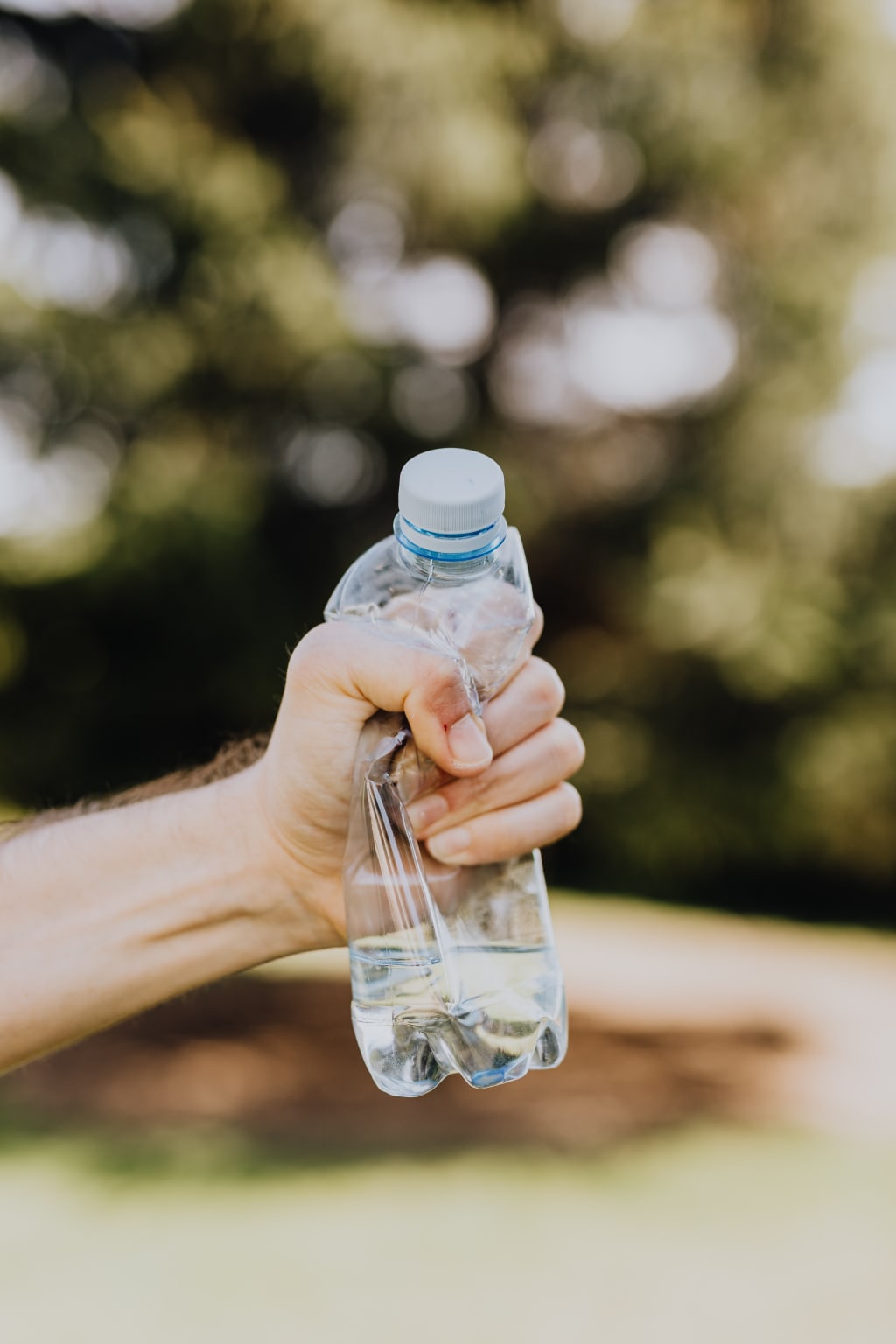
Understanding the Plastic Waste Crisis
Plastic waste has become an urgent global crisis, with far-reaching consequences for our environment and ecosystems. The sheer volume of plastic produced and discarded has reached alarming levels, leading to severe environmental degradation and harming countless species. It is imperative that we gain a deeper understanding of this crisis and recognize the role that each of us plays in its resolution.
The environmental impact of plastic pollution cannot be overstated. Every year, an estimated 8 million metric tons of plastic find their way into our oceans, wreaking havoc on marine life. From entangled sea turtles to seabirds mistakenly ingesting plastic debris, the consequences are devastating. Moreover, plastic waste does not remain confined to our oceans. It infiltrates our landfills, clogs our waterways, and even makes its way into the food chain, posing a potential risk to human health.
To fully comprehend the scale of the problem, consider these eye-opening statistics: Over the past 70 years, approximately 8.3 billion metric tons of plastic have been produced globally. Shockingly, less than 10% of this vast amount has been recycled. The remaining plastic waste accumulates in our environment, taking hundreds of years to break down. Plastic bottles alone can take up to 450 years to decompose, while plastic bags can persist for over a thousand years. These staggering figures underscore the urgent need for action.
Individual action is a crucial component in combating the plastic waste crisis. By recognizing our own roles as both consumers and contributors to plastic pollution, we hold the power to make a significant difference. Each small action we take to reduce plastic waste accumulates into a collective effort that can help mitigate the crisis.
From the choices we make during our daily routines to the way we shop, consume, and dispose of plastic, our individual actions matter. By consciously reducing our reliance on single-use plastics and embracing sustainable alternatives, we can actively contribute to a cleaner and healthier planet. It is within our capacity to change our habits, inspire others, and create a positive ripple effect that extends beyond our own lives.
In the upcoming sections of this article, we will explore practical steps that you can take in your daily life to minimize plastic waste. By implementing these simple strategies, you can join the global movement towards a plastic-free future. Remember, no action is too small, and together, we can make a substantial impact in preserving our environment for future generations.
Practical Steps to Minimize Plastic Waste
a) Carry a reusable water bottle and coffee cup
One of the simplest yet most effective steps you can take to reduce plastic waste is to carry a reusable water bottle and coffee cup. By making this small switch, you can make a significant impact on the environment.
Using reusable alternatives to single-use plastic bottles and coffee cups offers numerous benefits. First and foremost, it reduces the demand for plastic production, which in turn decreases the amount of plastic waste generated. By refilling your water bottle instead of purchasing bottled water, you can save countless plastic bottles from ending up in landfills or polluting our oceans. Similarly, opting for a reusable coffee cup instead of disposable ones not only prevents the accumulation of plastic waste but also keeps your beverages hot or cold for longer periods.
Moreover, investing in a reusable water bottle and coffee cup is a cost-effective choice in the long run. While the initial purchase may seem more expensive, you will quickly realize that it pays for itself over time. Imagine the amount of money you can save by avoiding daily purchases of bottled water or disposable coffee cups. Additionally, many cafes and coffee shops now offer discounts to customers who bring their own cups, giving you an extra incentive to make the switch.
The environmental impact of using reusable alternatives is substantial. Plastic bottles and coffee cups take hundreds of years to decompose, releasing harmful chemicals into the environment during the process. By using a reusable water bottle and coffee cup, you are directly reducing the amount of plastic waste that lingers in our ecosystem and minimizing the associated pollution. This simple step also showcases your commitment to sustainable living and can inspire others to follow suit.
b) Say no to plastic bags
Plastic bags have become ubiquitous in our daily lives, but their convenience comes at a significant environmental cost. It's time to say no to plastic bags and embrace reusable alternatives.
Plastic bags have harmful effects on the environment. They contribute to the depletion of natural resources, take hundreds of years to decompose, and often end up in our oceans, posing a severe threat to marine life. Sea turtles, whales, and seabirds are just a few examples of the innocent creatures that suffer from entanglement or ingestion of plastic bags. By reducing the consumption of plastic bags, we can minimize these tragic consequences and protect our delicate ecosystems.
Using reusable bags is a simple and effective way to reduce plastic bag consumption. Invest in a few sturdy reusable bags made from sustainable materials like cotton, jute, or canvas. Keep them in your car, backpack, or purse, so you always have them handy when you go shopping. Many retailers now encourage customers to bring their own bags by providing incentives or charging a fee for plastic bags. By opting for reusable bags, you not only contribute to a cleaner environment but also save yourself from the guilt of adding to the ever-growing plastic waste crisis.
Making the switch to reusable bags requires a small adjustment in our shopping habits. Remember to carry your reusable bags whenever you go to the grocery store, farmers market, or any other shopping destination. You'll soon discover that these bags are not only durable but also more spacious and comfortable to carry than their flimsy plastic counterparts. By embracing reusable bags, you become part of the solution to the plastic waste problem and send a powerful message that sustainable choices matter.
c) Choosing plastic-free alternatives
When it comes to reducing plastic waste, choosing plastic-free alternatives is a pivotal step. Many everyday products come in excessive plastic packaging, but with a little awareness and effort, we can make more sustainable choices.
One effective strategy is to opt for products with non-plastic packaging. Look for items packaged in glass, paper, or metal containers, as these materials are more easily recyclable or biodegradable. For example, instead of buying pre-pack aged fruits and vegetables wrapped in plastic, choose loose produce or those packaged in biodegradable or compostable materials. Similarly, consider purchasing products like shampoo bars, which come in minimal or no packaging at all.
Another sustainable choice is to buy items in bulk. By purchasing in bulk, you can reduce the amount of packaging waste generated. Bring your own reusable containers or bags to refill items such as grains, nuts, spices, and cleaning products. Many stores now have bulk sections where you can find a wide range of items, allowing you to minimize plastic packaging while saving money in the process.
Additionally, it is essential to be mindful of personal care products, such as toothbrushes, razors, and cosmetics, which often come packaged in plastic. Look for eco-friendly alternatives like bamboo toothbrushes, stainless steel razors, and products that come in refillable or biodegradable packaging. These choices not only help reduce plastic waste but also support companies and brands that prioritize sustainability.
By consciously choosing plastic-free alternatives, you send a powerful message to manufacturers and retailers that there is a demand for sustainable options. As more individuals make these choices, it becomes more economically viable for businesses to invest in eco-friendly packaging alternatives, thus creating a positive cycle of change.
d) Use a reusable straw and cutlery
Single-use plastic straws and cutlery are among the leading contributors to plastic pollution. The convenience they offer is short-lived compared to the environmental harm they cause. By switching to reusable alternatives, we can significantly reduce our plastic waste footprint.
The environmental impact of single-use plastic straws and cutlery is staggering. These items often end up in our oceans, where they pose a significant threat to marine life. Sea turtles, dolphins, and seabirds can mistake straws and cutlery for food, leading to entanglement or ingestion, which can be fatal. By making the switch to reusable alternatives, such as stainless steel, bamboo, or silicone straws, we can help protect marine ecosystems and preserve the beauty of our oceans.
Similarly, carrying reusable cutlery, such as a set of bamboo utensils, can eliminate the need for single-use plastic utensils when dining out or ordering takeout. These reusable options are lightweight, easy to clean, and compact enough to fit in your bag or lunchbox. By making this small adjustment, you can enjoy your meals guilt-free, knowing that you are significantly reducing your plastic waste contribution.
It's important to note that these changes require a shift in mindset and habits. Remember to keep your reusable straws and cutlery with you when you're on the go or dining out. Politely decline single-use plastic straws and cutlery when offered, and instead, opt for your reusable alternatives. By doing so, you not only reduce your own plastic waste but also inspire others to make similar choices.
e) Bring your own containers
One effective way to reduce plastic waste is to bring your own containers for takeout meals, leftovers, and bulk purchases. By doing so, you eliminate the need for disposable containers and contribute to a more sustainable lifestyle.
Using personal containers for takeout meals and leftovers comes with numerous benefits. Not only does it reduce the amount of plastic waste generated, but it also helps keep your food fresh and minimizes the risk of leakage. Invest in a set of reusable containers made from materials like glass or stainless steel, which are durable, easy to clean, and safe for food storage. When ordering takeout, kindly request the restaurant to pack your food in your own containers instead of single-use plastic or styrofoam containers.
When it comes to bulk purchases, such as grains, nuts, or spices, bringing your own containers can significantly reduce plastic packaging waste. Many stores now have a zero-waste section or allow customers to use their own containers for bulk items. Simply bring your clean and empty containers to the store, weigh them before filling them with your desired items, and pay for the contents at the checkout. This practice not only helps reduce plastic waste but also allows you to have better control over the quantity of items you purchase, minimizing food waste.
Communicating your preference for using your own containers to restaurants and food vendors is key. Be polite and explain your reasons for wanting to reduce plastic waste. Most establishments are open to accommodating such requests, especially if you emphasize your commitment to sustainability. By advocating for the use of reusable containers, you contribute to creating a culture of eco-consciousness and encourage others to follow suit.
f) Avoid single-use plastic items
Single-use plastic items, such as plastic cutlery, straws, food wrappers, and disposable plates, are prevalent in our society but have a devastating impact on the environment. It's essential to identify these items and find sustainable alternatives to minimize their use.
Start by identifying common single-use plastic items in your daily life. Consider the plastic cutlery you receive with takeout meals, the plastic stirrers and straws in your drinks, or the plastic wrap and sandwich bags used for food storage. Each of these items contributes to the growing plastic waste crisis.
Instead of relying on these single-use plastic items, explore sustainable alternatives. For instance, carry a set of reusable cutlery in your bag or lunchbox, so you always have it handy when needed. Choose drinks that don't require a straw or opt for reusable straws made from materials like stainless steel, bamboo, or silicone.
When it comes to food storage, replace plastic wrap and sandwich bags with reusable options like beeswax wraps or silicone food storage bags. These alternatives are washable, reusable, and help preserve the freshness of your food without contributing to plastic waste.
Another example is replacing disposable paper napkins with cloth napkins. Cloth napkins are not only more eco-friendly but also add a touch of elegance to your meals. Simply toss them in the laundry after use, and they're ready to be reused.
By consciously avoiding single-use plastic items and finding sustainable alternatives, you actively contribute to reducing plastic waste and create a positive impact on the environment. Remember, small changes in our daily habits can add up to significant progress in the fight against plastic pollution.
In conclusion, minimizing plastic waste in our daily lives is an essential step towards creating a more sustainable future. By implementing practical steps like carrying reusable water bottles and coffee cups, saying no to plastic bags, choosing plastic-free alternatives, using reusable straws and cutlery, bringing our own containers, and avoiding single-use plastic items, we can make a significant impact on reducing plastic waste. Each small action we take adds up to a collective effort that contributes to the preservation of our environment. By making these changes, we not only benefit our planet but also inspire others to join the movement towards a plastic-free lifestyle. Together, we can create a cleaner and healthier world for generations to come.
Engaging in Collective Action and Spreading Awareness
a) Participate in community cleanups
One of the most impactful ways to address the plastic waste crisis is by actively participating in community cleanups. These events bring people together to clean up littered areas, including parks, beaches, and riversides, and play a vital role in reducing plastic waste and its environmental impact.
By joining local community cleanups, you contribute to the collective efforts in cleaning up and preventing plastic pollution. The benefits of these initiatives are twofold. Firstly, they help remove existing plastic waste from the environment, preventing it from entering water bodies and harming wildlife. Secondly, community cleanups raise awareness about the issue, inspiring others to take action and promoting a sense of responsibility for the environment.
To find and participate in community cleanups, you can reach out to local environmental organizations, community groups, or municipal authorities. They often organize cleanup events and can provide information about upcoming initiatives. Social media platforms and local community boards are also valuable resources for finding cleanups in your area. By actively engaging in these events, you not only contribute to a cleaner environment but also foster a sense of community and unity in tackling the plastic waste crisis.
b) Raise awareness in your community
Spreading awareness about the importance of reducing plastic waste is crucial for effecting lasting change. Educating and inspiring others in your community can create a ripple effect of positive action.
There are several ways you can raise awareness about plastic waste. Start by leading by example in your own daily life. Practice the habits you've learned, such as using reusable alternatives, avoiding single-use plastics, and properly recycling plastic items. When others see your commitment to reducing plastic waste, it can motivate them to make similar changes in their own lives.
Additionally, share your experiences and knowledge with others. Discuss the impact of plastic waste on the environment, highlight the benefits of sustainable alternatives, and provide practical tips for reducing plastic consumption. Consider organizing small community workshops, presentations, or neighborhood discussions on plastic waste reduction. Collaborate with local schools, community centers, or businesses to host educational events and reach a wider audience.
Harness the power of social media to amplify your message. Share informative articles, videos, and infographics about the plastic waste crisis and practical steps to reduce it. Encourage your friends, family, and followers to join you in making a positive difference. Engage in conversations and answer questions to foster dialogue and promote a deeper understanding of the issue.
c) Advocate for policy changes
Advocating for policy changes is a powerful way to combat the plastic waste crisis on a larger scale. Supporting and promoting policies aimed at reducing plastic waste can have a significant impact on both local and national levels.
Research existing policies in your region related to plastic waste management and reduction. Stay informed about upcoming legislation or initiatives that address plastic pollution. Contact your local representatives to express your support for these measures and encourage them to take stronger action. Write letters or emails to policymakers, attend town hall meetings, or participate in public consultations to voice your concerns and ideas.
Collaborate with environmental organizations and join campaigns focused on plastic waste reduction and policy advocacy. These organizations often provide resources, tools, and guidance for individuals looking to get involved in environmental advocacy efforts. By working together, you can amplify your impact and push for meaningful change.
d) Promote a plastic-free lifestyle
Encourage others to share their experiences and knowledge about reducing plastic waste. Use various platforms, such as social media, blogs, or local newsletters, to create a space for dialogue and information sharing. Encourage readers to share their tips, challenges, and successes in adopting a plastic-free lifestyle.
Highlight the cumulative impact of individual choices. Emphasize that every small action, from carrying a reusable bag to refusing single-use plastics, contributes to a larger movement towards a plastic-free world. By promoting a plastic-free lifestyle collectively, we can inspire and motivate others to join the cause.
Encourage readers to spread the message beyond their immediate circles. Encourage them to share information about reducing plastic waste with their friends, family, and colleagues. Urge them to organize awareness campaigns or events in their communities, such as plastic-free challenges, documentary screenings, or zero-waste workshops. Collaborate with local businesses, schools, and community organizations to reach a wider audience and create a lasting impact.
Celebrate and highlight the achievements of individuals, businesses, or organizations that are actively working towards reducing plastic waste. By showcasing success stories and positive initiatives, you inspire others and create a sense of optimism and possibility. It reinforces the idea that collective action can drive meaningful change and encourages others to join the movement.
Remember, the key to promoting a plastic-free lifestyle is fostering a sense of empowerment and reminding people that their individual choices matter. Each person has the ability to make a difference and contribute to a more sustainable future. By engaging in collective action and spreading awareness, we can create a powerful movement that brings about lasting change in the fight against plastic waste.
Reducing plastic waste in our daily lives is a responsibility we all share. By implementing practical steps like carrying reusable water bottles and coffee cups, saying no to plastic bags, choosing plastic-free alternatives, using reusable straws and cutlery, bringing our own containers, and avoiding single-use plastic items, we make a significant impact on reducing plastic waste. Engaging in community cleanups, raising awareness, advocating for policy changes, and promoting a plastic-free lifestyle further amplify our efforts.
Remember that change starts with individuals, but its impact is multiplied when we work together. By taking these simple yet impactful steps, we contribute to a cleaner and healthier environment for ourselves and future generations. Let us continue to educate, inspire, and lead by example, creating a world where plastic waste is minimized, and our planet can thrive. Together, we can turn the tide on the plastic waste crisis and create a sustainable future for all.
In conclusion, the plastic waste crisis is a global issue that demands immediate attention and action. We have explored practical steps that each of us can take to minimize plastic waste in our daily lives. By carrying reusable water bottles and coffee cups, saying no to plastic bags, choosing plastic-free alternatives, using reusable straws and cutlery, bringing our own containers, and avoiding single-use plastic items, we make a tangible difference.
It is crucial to recognize the cumulative impact of our individual actions. While one person's efforts may seem small, when multiplied by millions, they become a powerful force for change. By making conscious choices and adopting sustainable habits, we contribute to a significant reduction in plastic waste and the preservation of our environment.
We have also discussed the importance of collective action and spreading awareness. Participating in community cleanups, raising awareness in our communities, advocating for policy changes, and promoting a plastic-free lifestyle all contribute to a wider movement towards a sustainable future. By engaging in these activities, we inspire others and create a network of individuals working together towards a common goal.
It is vital to reinforce the message that every step we take, no matter how small, matters. By reducing our plastic waste, we protect our oceans, wildlife, and ecosystems. We also preserve natural resources, conserve energy, and reduce greenhouse gas emissions associated with plastic production and disposal.
As we strive for a plastic-free future, let us continue to educate ourselves and others about the detrimental effects of plastic waste. By sharing our knowledge, experiences, and successes, we empower others to join the movement and make conscious choices in their own lives.
In the end, the solution to the plastic waste crisis lies in the collective effort of individuals, communities, businesses, and governments. By reinforcing the importance of taking small steps to reduce plastic waste in our daily lives, we contribute to a cleaner, healthier, and more sustainable planet for present and future generations.
Remember, every action counts. Together, we can create a significant and lasting impact. So, let's commit to reducing plastic waste, inspiring others, and building a better world for ourselves and future generations.Simpler
About the Creator
Keep reading
More stories from Eze Shedrack and writers in Humans and other communities.
The Art of Tiling: Beginner's Guide
The Art of Tiling: Beginner's Guide Tiles have long been used as a practical and stylish solution for floors, walls, and backsplashes. They not only protect surfaces from moisture and wear but also add an aesthetic appeal to any space. If you're a beginner looking to venture into the world of tiling, this guide is for you. In this article, we'll explore the art of tiling and provide you with valuable tips to help you get started on your tiling journey.
By Eze Shedrack3 years ago in Humans
The CEO of Everything
They say "jack of all trades, master of none," but they forgot to mention the part where the jack of all trades is also the camera woman, the makeup artist, and the person currently yelling at a tangled Wii microphone cable in a her own bathroom while recording herself singing and trying to make it look realistic and professional. (As professional as you can make it with nothing but a cell phone camera and a mic that doesn't work)
By Sara Wilson4 days ago in Humans
Venus and Mars in Your Birth Chart Explain Irresistible Attraction.
Attraction rarely feels random. Some connections feel calm. Others feel magnetic and consuming. Astrology explains this through Venus and Mars. These two planets shape desire, bonding, and pursuit. When their energies interact, attraction feels strong and unforgettable.
By Wilson Igbasiabout an hour ago in Humans




Comments
There are no comments for this story
Be the first to respond and start the conversation.