
Solanine Poisoning – How Does It Happen?
naturally found in several plants, most notably in potatoes, tomatoes, eggplants, and peppers.

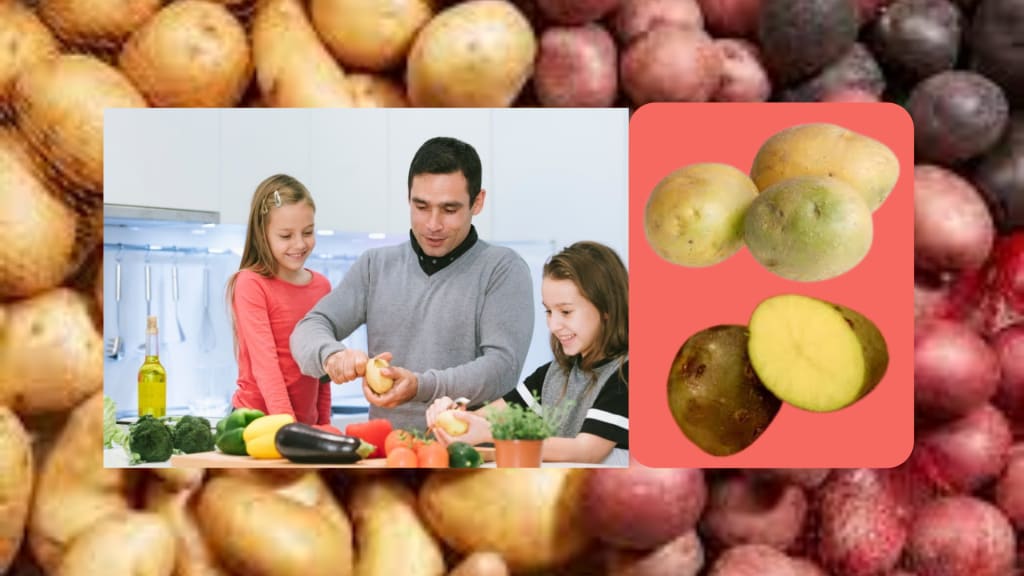
Solanine poisoning is a serious concern that can occur when consuming certain foods, particularly those belonging to the nightshade family. In this article, we will delve into the details of solanine poisoning, its causes, symptoms, and preventive measures to keep you well-informed and safe.
What is Solanine?
Solanine is a toxic alkaloid compound naturally found in several plants, most notably in potatoes, tomatoes, eggplants, and peppers. It acts as a natural defense mechanism for these plants against pests and predators. While the levels of solanine in these foods are usually low and not harmful, under certain conditions, such as improper storage or preparation, solanine levels can increase significantly, leading to potential health risks.
How Does Solanine Poisoning Occur?
1. Green Potatoes
One common cause of solanine poisoning is the consumption of green potatoes. When potatoes are exposed to sunlight or stored in improper conditions, they produce chlorophyll, resulting in a green discoloration. Green potatoes indicate increased levels of solanine. When ingested in high amounts, solanine can cause adverse effects on the human body.
2. Sprouted Potatoes
Another source of solanine poisoning is sprouted potatoes. As potatoes sprout, the solanine content within them increases. The sprouts themselves contain higher concentrations of solanine compared to the rest of the potato. Therefore, it is essential to remove any sprouts before consuming potatoes.
3. Other Nightshade Vegetables
Apart from potatoes, solanine can also be present in other nightshade vegetables, such as tomatoes, eggplants, and peppers. However, the solanine levels in these vegetables are generally low and rarely cause poisoning unless consumed in large quantities or under specific circumstances.
Symptoms of Solanine Poisoning
The symptoms of solanine poisoning can vary depending on the individual's sensitivity, the amount of solanine ingested, and the duration of exposure. Common symptoms include:
Nausea and vomiting, Abdominal pain, Diarrhea, Headaches,Dizziness, Weakness, Confusion, Fever, Irregular heartbeat, Difficulty breathing
If you experience any of these symptoms after consuming potentially contaminated foods, it is crucial to seek medical attention immediately.
Preventive Measures
To minimize the risk of solanine poisoning, it is important to follow these preventive measures:
1. Proper Storage
Store potatoes in a cool, dark, and dry place to prevent them from sprouting or turning green. Discard any potatoes that have sprouts or show signs of decay.
2. Safe Preparation
When preparing potatoes, ensure they are thoroughly washed and any green areas or sprouts are removed. Peeling the potatoes can also help reduce solanine levels.
3. Cooking Techniques
Cooking can significantly reduce solanine levels in foods. Boiling, baking, or frying potatoes at high temperatures can help eliminate solanine effectively. It is important to note that solanine is not water-soluble, so boiling potatoes in water alone may not be sufficient to eliminate it entirely.
4. Moderate Consumption
While solanine poisoning is rare, it is advisable to consume nightshade vegetables in moderation. Variety in your diet is key to avoiding excessive exposure to solanine.
5. Be Cautious with Green Potatoes
Avoid consuming green potatoes altogether, as they are a clear indication of elevated solanine levels. Discard any potatoes showing a green coloration.
Our ancestors knew best on how to store produce. They would keep their root cellars full throughout the year. We can learn from them and keep our unprocessed foods, like potatoes, in a cool, dark place. The plastic and netted bags most potatoes come in from the store allow light in, so find a burlap or brown paper bag in which to store them.
If you don’t have a dark storage place, buy only enough that will be used in a short amount of time. But if that isn’t done, at least you will have the natural warning of the green potato to keep you from eating the alkaloid solanine! Nature has a way of warning us through looks (greening) and bitter taste.
Solanine poisoning can occur due to the consumption of certain foods containing elevated levels of solanine, such as green or sprouted potatoes. While the symptoms can range from mild gastrointestinal discomfort to more severe complications, prevention is key to ensuring your well-being. By following proper storage methods, safe preparation techniques, and moderate consumption, you can enjoy nightshade vegetables without unnecessary health risks. Remember to prioritize your safety and make informed choices when it comes to your diet.
About the Creator
bshadkumar
I am Shyam,
As a graduate from India and a software developer, some good things about me:
My combination of technical expertise, problem-solving skills, dedication, effective communication makes me a valuable software developer.
Keep reading
More stories from bshadkumar and writers in Humans and other communities.
Cabin Fever Because of Snow, Sleet, and Freezing Rain That Turned to Icy Roads
What Is Cabin Fever? The short answer is that cabin fever is restlessness from being in a confined area. Cabin fever is the distressing irritability or restlessness experienced when a person or group is stuck at an isolated location or in confined quarters for an extended time. Research shows that prolonged cold, gray skies, and being stuck indoors can trigger mood shifts similar to “winter blues.”
By Margaret Minnicks7 days ago in Humans
Top 10 Free Asian Dating Sites and Apps for Local Singles in 2026
Finding love in the modern era has evolved into a digital-first journey where finding the right partner often starts with a single swipe or a thoughtful message. For those searching meaningful connections within specific cultural circles, Free Asian Dating Sites and Apps for Local Singles have become the primary gateway to meeting like-minded individuals who share similar values, traditions, and life goals. In 2026, the landscape of digital romance is more diverse than ever, offering specialized platforms that prioritize local proximity and cultural compatibility without the burden of heavy subscription fees.
By Grace Smith4 days ago in Humans




Comments
There are no comments for this story
Be the first to respond and start the conversation.