
Social Media Advantages And Disadvantages || Advantages And Disadvantages Of Social Media
Advantages And Disadvantages

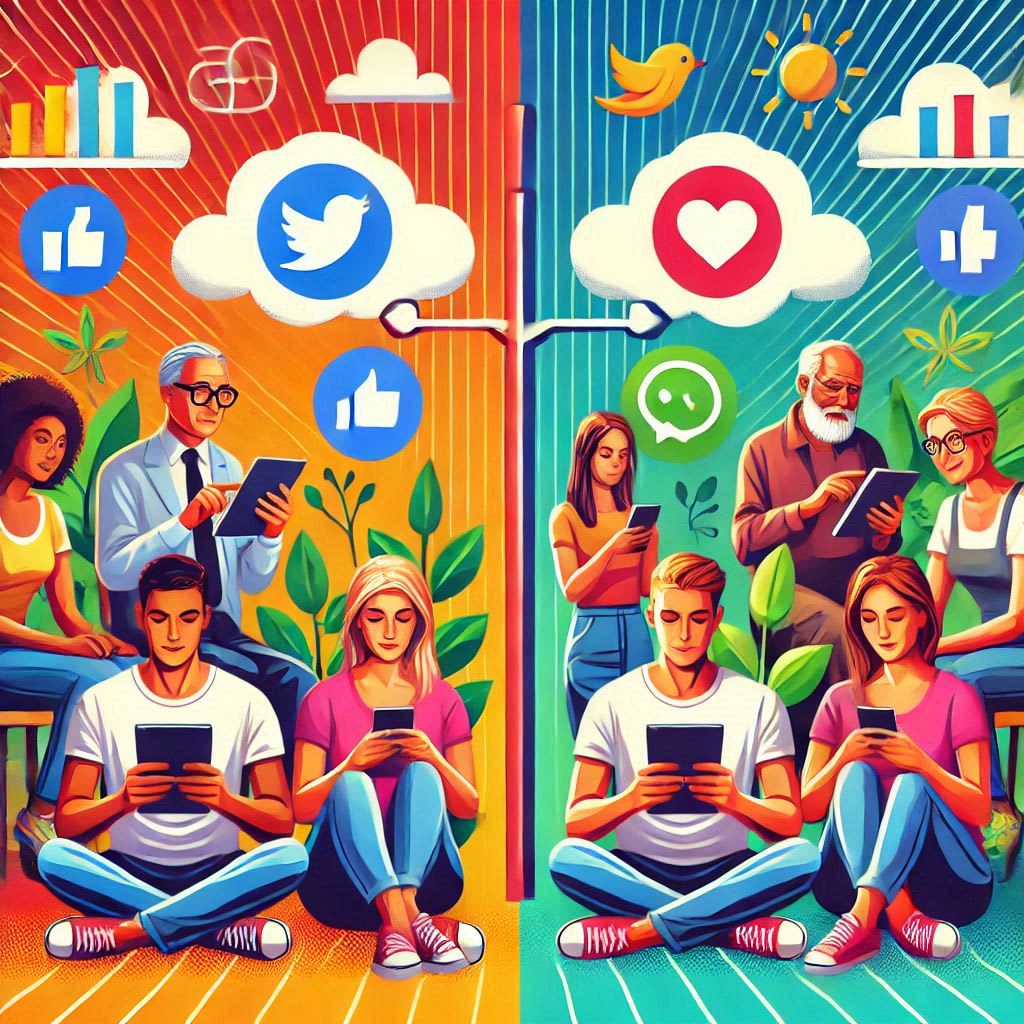
Social media has revolutionized communication, networking, and information sharing in the digital age. Platforms like Facebook, Twitter, Instagram, and LinkedIn provide individuals and businesses with endless opportunities.
Advantages of Social Media
1. Connectivity and Communication
One of the most significant advantages of social media is the ability to stay connected with people worldwide. Whether through direct messaging, video calls, or group chats, social media bridges the gap between individuals regardless of geographical barriers. Families separated by distance can maintain close relationships, and professionals can collaborate in real time.
2. Instant Information and News Updates
Social media platforms serve as an immediate source of news and information. Traditional media outlets like newspapers and television take time to report, but social media delivers real-time updates. Whether it’s global events, weather warnings, or emergency notifications, users can stay informed instantly.
3. Business Growth and Marketing
Businesses leverage social media for brand promotion, customer engagement, and lead generation. Platforms like Facebook and Instagram offer targeted advertising, allowing businesses to reach specific demographics. Entrepreneurs and small business owners can also showcase their products to a global audience without investing in costly traditional marketing.
4. Education and Learning Opportunities
Social media provides access to a vast pool of educational resources. Platforms like YouTube offer free tutorials on diverse topics, while LinkedIn Learning and Coursera provide specialized courses. Teachers and students use social media to share study materials, participate in discussions, and enhance the learning process.
5. Job Opportunities and Professional Networking
LinkedIn, a professional networking platform, helps job seekers connect with employers. Social media allows professionals to showcase their skills, build their personal brand, and gain job opportunities. Recruiters actively seek potential candidates by assessing their online profiles and engagement.
6. Entertainment and Relaxation
From streaming videos and music to engaging in memes and interactive content, social media serves as a hub for entertainment. Users can explore diverse content tailored to their preferences, helping them relax and unwind after a long day.
7. Social Awareness and Activism
Social media empowers users to raise awareness about social and environmental issues. Campaigns like #MeToo and #BlackLivesMatter gained momentum through social media, showcasing its power in promoting activism. It also allows people to support charitable causes by donating or volunteering virtually.
8. Enhancing Creativity and Self-Expression
Social media platforms provide a space for individuals to express their creativity. Artists, writers, musicians, and content creators can showcase their work to a global audience. Platforms like TikTok and Instagram encourage users to share their talents and build their brand.
Disadvantages of Social Media
1. Privacy Concerns and Data Security
One of the biggest drawbacks of social media is the risk of privacy breaches. Personal information shared online can be misused by cybercriminals for identity theft, scams, and fraud. Many users unknowingly expose sensitive data, making them vulnerable to cyber threats.
2. Mental Health Issues
Excessive use of social media has been linked to mental health problems such as anxiety, depression, and low self-esteem. The pressure to maintain a perfect online persona, comparison with others, and exposure to negative content contribute to stress and emotional distress.
3. Spread of Misinformation and Fake News
Social media allows the rapid spread of false information. Fake news and misleading content can create panic, influence public opinion, and manipulate individuals. Many users share unverified information, leading to widespread misinformation.
4. Cyberbullying and Online Harassment
Online bullying is a serious issue affecting both young and adult users. Anonymous users can post hateful comments, send threatening messages, and harass others without consequences. This can have severe psychological effects on victims, leading to emotional trauma and, in extreme cases, suicide.
5. Reduced Productivity
Social media can be highly addictive, leading to decreased productivity. Employees and students who spend excessive time scrolling through social media may struggle with time management and focus, negatively impacting their performance and efficiency.
6. Unrealistic Expectations and FOMO (Fear of Missing Out)
Many users compare their lives with influencers and celebrities who showcase a glamorous lifestyle on social media. This can lead to unrealistic expectations, dissatisfaction, and low self-worth. FOMO, the fear of missing out, makes individuals feel left out, compelling them to stay constantly online.
7. Decreased Face-to-Face Interaction
While social media enhances digital communication, it has reduced real-life interactions. Many people prefer chatting online over meeting in person, leading to weaker interpersonal relationships. Over time, this can result in social isolation and difficulty in forming genuine connections.
8. Addiction and Overuse
Social media addiction is a growing concern, with individuals spending hours mindlessly scrolling. This addiction affects sleep patterns, mental well-being, and daily routines. Excessive screen time also contributes to physical health issues like eye strain and poor posture.
Striking a Balance: Responsible Social Media Usage
1. Set Time Limits
Limiting daily social media usage can help prevent addiction and improve productivity. Using app timers or digital well-being tools can help users manage their time effectively.
2. Verify Information Before Sharing
To combat misinformation, always verify news sources before sharing. Fact-checking websites can help ensure that the information being spread is accurate and reliable.
3. Maintain Privacy Settings
Adjusting privacy settings on social media accounts can help protect personal data. Avoid sharing sensitive information, and be cautious about accepting friend requests from unknown individuals.
4. Engage in Positive Interactions
Social media should be used for constructive conversations and meaningful connections. Avoid engaging in negative discussions or cyberbullying, and promote kindness in online interactions.
5. Prioritize Real-Life Relationships
While social media is a great communication tool, it should not replace face-to-face interactions. Spend quality time with family and friends offline to strengthen relationships.
6. Take Social Media Breaks
Periodic breaks from social media can improve mental health and overall well-being. Digital detoxes, such as turning off notifications or taking a day off from social media, help reduce stress and enhance mindfulness.
About the Creator
The Content Crafter
Hi, I’m Vikas! I write Content and Stories that hit the Feels and Education.
- 📚 Education
- 🍔 Food
- 🏥 Health
- 🔢 Angel Number
- 📝 Poet
- 📖 Stories
- 🏺 History
- ⭐ Review
- 🌌 Space and Earth
- 🎮 Games
- 👻 Horror
📲Please 🔔 Subscribe 🔔 Me ❤️
Keep reading
More stories from The Content Crafter and writers in Humans and other communities.
Marc Guéhi
Marc Guéhi is a professional football player who is known for his calm defending, strong leadership, and smart decision-making on the field. He plays as a central defender and represents both club football and the England national team. Over the years, Marc Guéhi has become one of the most trusted young defenders in modern football.
By Farhan Sayed4 days ago in Humans
Silver Screen Magic with Mae West
American actress and singer Mae West became a popular film actress during the Great Depression. She started entertaining in vaudeville, then performed on Broadway, and finally went to Hollywood. She signed up with Paramount Pictures and made her debut in the 1932 film “Night After Night.” She also starred in musicals, comedies, and crime dramas. The American Film Institute named her one of the best classic Hollywood actresses.
By Rasma Raisters7 days ago in Geeks



Comments
There are no comments for this story
Be the first to respond and start the conversation.