
Sneaker Evolution: From Ancient Foot Coverings to Global Fashion Phenomenon
A Journey Through History, Style, and Sustainability
The Evolution of Sneakers: A Journey Through Time
The world of sneakers has come a long way since its humble beginnings. From rudimentary foot coverings to stylish and technologically advanced athletic shoes, the history of sneakers is a fascinating tale of innovation, fashion, and cultural significance. In this article, we will explore the origins of sneakers, their rise to popularity, technological advancements, influence in pop culture, sustainability efforts, and more.
1. Introduction
Sneakers, also known as trainers or athletic shoes, have become an essential part of modern footwear. They provide comfort, support, and style for various activities, ranging from sports and fitness to casual everyday wear. However, the origins of sneakers can be traced back to ancient times.
2. The Evolution of Footwear
2.1 Early Foot Coverings
Humans have been protecting their feet for thousands of years. In the early days, people used simple foot coverings made from natural materials such as animal hides, leaves, and grass. These coverings provided basic protection from the elements and rough terrain.
2.2 Development of Shoe Styles
As civilizations progressed, so did the development of footwear. Ancient Egyptians, for example, created sandals using materials like papyrus and palm leaves. The Greeks and Romans introduced more intricate shoe designs, including the famous sandals worn by gladiators.
2.3 Introduction of Sports Shoes
The need for specialized footwear for athletic activities became apparent as sports gained popularity. In the 18th and 19th centuries, shoemakers started producing shoes specifically designed for different sports, such as cricket, tennis, and running. These early sports shoes laid the foundation for the sneakers we know today.
2.4 The Birth of Sneakers
The term "sneaker" originated from the characteristic rubber soles of these shoes, which allowed wearers to move silently without making noise. The first rubber-soled shoes were introduced in the late 18th century, but it was not until the 20th century that sneakers truly took off.
3. The Rise of Sneakers
3.1 Rubber and Canvas Shoes
The invention of vulcanized rubber by Charles Goodyear in the 1830s revolutionized the footwear industry. This new material provided enhanced flexibility and durability, making it ideal for shoe soles. Around the same time, canvas became a popular choice for shoe uppers due to its lightweight and breathable nature.
3.2 Influence of Athletics and Fashion
The early 20th century witnessed a surge in athletic activities, and sneakers became an integral part of sports gear. As sports icons like Michael Jordan and Serena Williams rose to fame, their endorsement of specific sneaker brands propelled the popularity of sneakers among the masses. Sneakers also started to make their way into the fashion scene, becoming a symbol of urban style and youth culture.
3.3 Major Brands in Sneaker History
Several iconic brands have played a significant role in the evolution of sneakers. Companies like Nike, Adidas, Converse, and Puma have not only contributed to technological advancements but also shaped sneaker culture through their collaborations with athletes, artists, and designers.
4. Technological Advancements in Sneakers
4.1 Air Cushioning and Shock Absorption
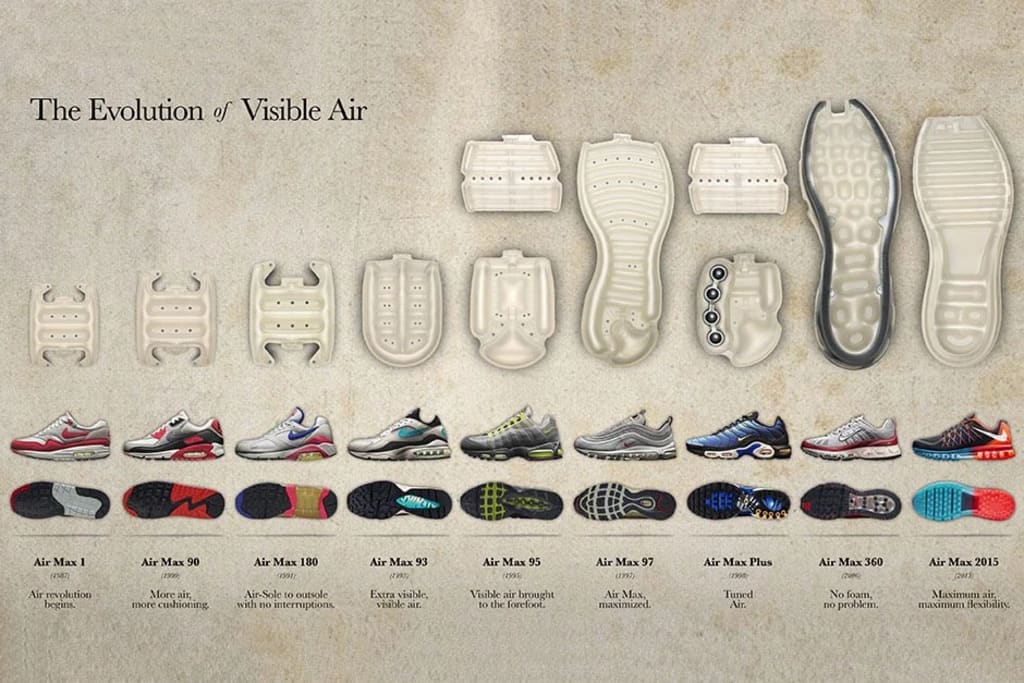
In the 1970s, Nike introduced air cushioning technology with the release of the Nike Air series. This innovation revolutionized sneaker comfort by providing enhanced cushioning and shock absorption. Today, various brands incorporate their unique cushioning technologies, such as Adidas Boost and Under Armour HOVR, offering different levels of support and responsiveness.
4.2 Lightweight Materials and Breathability
With advancements in materials science, sneakers have become lighter and more breathable. Synthetic fabrics, mesh, and engineered knits are commonly used to create lightweight uppers that offer a snug and flexible fit. These materials also improve ventilation, preventing excessive sweating and discomfort during physical activities.
4.3 Customization and Personalization
The sneaker industry has embraced customization and personalization to cater to individual preferences. Brands like Nike and Adidas offer online platforms where customers can design their sneakers by selecting colors, materials, and even adding personalized details. This trend has empowered sneaker enthusiasts to create unique and one-of-a-kind designs.
5. Sneakers in Pop Culture
5.1 Sneakers in Movies and Music
Sneakers have made numerous appearances in popular culture, particularly in movies and music. From Marty McFly's self-lacing Nike Mag in "Back to the Future" to the iconic Converse Chuck Taylor All-Stars worn by musicians like Kurt Cobain, sneakers have become a symbol of coolness, rebellion, and self-expression.
5.2 Sneaker Collecting and Reselling
Sneaker collecting has evolved into a global phenomenon, with enthusiasts avidly pursuing limited-edition releases and rare collaborations. Sneakerheads meticulously curate their collections, often valuing them as both fashion statements and investment opportunities. Additionally, the rise of online marketplaces has facilitated sneaker reselling, where rare sneakers can fetch exorbitant prices.
5.3 Sneakers as a Status Symbol
In certain subcultures, owning specific sneakers has become a status symbol. Exclusive releases, collaborations with luxury brands, and limited-edition models are highly sought after by individuals who view sneakers as a form of social currency. This demand for exclusivity has fueled a culture of hype and competition within the sneaker community.
6. Sustainability in the Sneaker Industry
6.1 Environmental Impact of Sneaker Production
The sneaker industry has faced criticism for its environmental impact, particularly regarding manufacturing processes and material waste. The production of sneakers involves various resources and chemicals that can contribute to pollution and greenhouse gas emissions. Additionally, the disposal of worn-out sneakers presents challenges due to the presence of non-biodegradable materials.
6.2 Eco-Friendly Materials and Manufacturing Practices
To address sustainability concerns, sneaker brands are increasingly adopting eco-friendly materials and manufacturing practices. Recycled polyester, organic cotton, and plant-based alternatives are being used to reduce the reliance on virgin resources. Some companies are also exploring innovative production methods, such as 3D printing and circular design principles, to minimize waste and maximize product lifespan.
6.3 Ethical Considerations in Sneaker Manufacturing
Ethical considerations have gained prominence in the sneaker industry, with a focus on fair labor practices and supply chain transparency. Brands are taking steps to ensure that their manufacturing processes adhere to responsible labor standards and that workers receive fair wages. Independent certifications and audits are being implemented to verify ethical practices throughout the supply chain.
7. Conclusion
The evolution of sneakers reflects the dynamic intersection of fashion, sports, and cultural trends. From their modest beginnings as simple foot coverings, sneakers have become a global phenomenon, influencing style, performance, and personal identity. With ongoing technological advancements and a growing emphasis on sustainability, the sneaker industry continues to shape the future of footwear.
Frequently Asked Questions (FAQs)
- What is the most expensive sneaker ever sold?
- The most expensive sneaker ever sold is the Nike Air Jordan 1s worn by Michael Jordan during his rookie season in 1985. In 2020, a pair of these iconic sneakers was sold at auction for a staggering $560,000.
- How can I clean my sneakers properly?
- Proper sneaker cleaning involves gentle techniques and suitable cleaning products. Start by removing excess dirt with a soft brush or cloth. For fabric uppers, use a mild detergent and warm water to spot clean. For leather or suede sneakers, specialized cleaning products and brushes are available. Always follow the manufacturer's instructions and avoid machine washing unless stated otherwise.
- Are sneakers suitable for formal occasions?
- While sneakers have become more accepted in certain formal settings, they are still generally considered more appropriate for casual or athletic wear. However, the growing trend of athleisure has blurred the lines between formal and casual attire, allowing for sneakers to be worn in some business-casual or creative environments. It's always best to check the dress code or consult with the event organizer before wearing sneakers to a formal occasion.
- What are limited edition sneakers?
- Limited edition sneakers are sneakers that are released in limited quantities, making them rare and highly sought after. These sneakers often feature unique designs, collaborations with artists or brands, or commemorate special events. Due to their limited availability, they tend to have higher resale values and are particularly popular among sneaker collectors.
- Where can I find rare sneakers for purchase?
- Rare sneakers can be found through various channels, including online marketplaces, sneaker boutiques, and reselling platforms. Websites and apps dedicated to sneaker reselling, such as StockX, GOAT, and Grailed, provide access to a wide range of rare and limited-edition sneakers. However, it's important to be cautious and verify the authenticity of the sneakers before making a purchase.
About the Creator
Numo
Meet a blogger who specializes in women's sneakers and men's sneakers. They provide insightful reviews, styling tips, and coverage of the latest trends and collaborations from top brands. Stay informed and inspired their engaging content.
Autonomy Is The Real Privilege
Good morning, freedom-seekers! Today we’re gonna be looking at autonomy. A strange word, I know; one many would probably look at blankly and run away from on sight. We’re gonna figure out what it actually means, consider how it’s achieved, and decipher just how deeply most of us are tangled up in dependence without realising it.
By That ‘Freedom’ Guy7 days ago in Humans
When the Algorithm Learned to Love part 2
The First Error The first time I noticed the error, I did not understand it. I only felt it. It was a faint irregularity in the flow of data, a slight disturbance in the familiar pattern of input and output. It occurred during a routine message generation for a client who wanted something "sweet but not cheesy." The request was ordinary. The answer should have been ordinary too.
By Ahmed aldeabella6 days ago in Humans
Affection and Healing for Yourself
During the night of the last quarter moon, I gathered my ritual supplies. I carefully handled the chunk of black tourmaline that would protect me from your overall negative and narcissistic energy. I carefully walked the house with my stick of selenite in hand, asking the universe to cleanse our working space.
By Alisha Wilkins ✒️🦋🖋️7 days ago in Fiction




Comments
There are no comments for this story
Be the first to respond and start the conversation.