
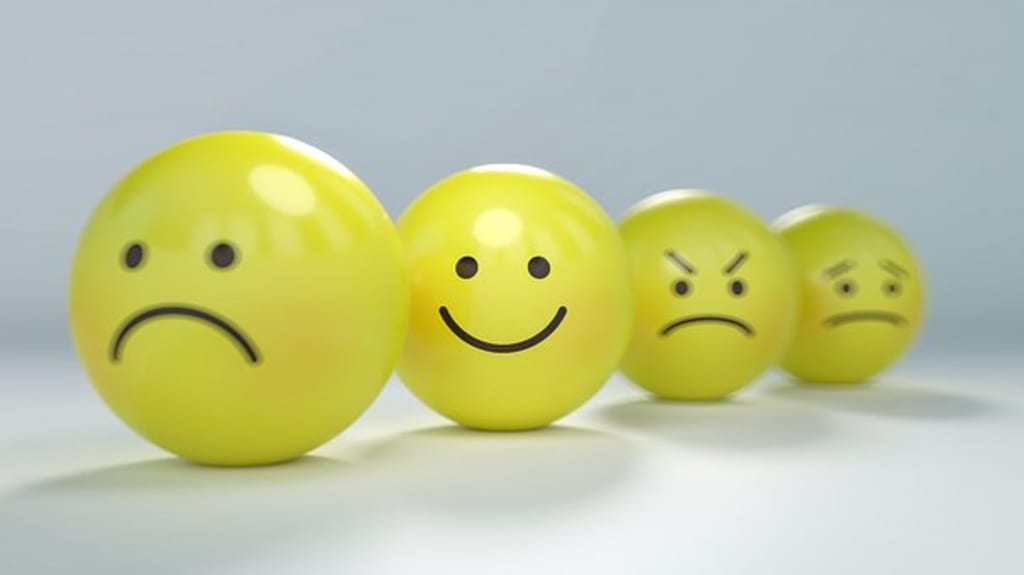
A smile is a facial expression characterized by an upward curving of the corners of the mouth. It is a universal sign of friendliness and goodwill, and is often used as a nonverbal communication of pleasure, happiness, or amusement. Smiling can also be used as a social lubricant, helping to ease tensions and make interactions with others more pleasant.
Smiling can have a number of positive effects on both the person smiling and the people around them. For the person smiling, it can reduce stress, lower blood pressure, and release endorphins, which are chemicals in the brain that produce feelings of happiness and well-being. For the people around them, a smile can be contagious, meaning that seeing someone smile can cause others to smile as well, which can in turn improve their mood and decrease stress levels.
There are a number of different types of smiles, each with their own distinct characteristics. A genuine smile, also known as a Duchenne smile, is characterized by the activation of the muscles around the eyes, as well as the mouth. This type of smile is often considered the most sincere and is typically associated with positive emotions such as happiness and joy. A non-genuine smile, also known as a Pan American smile, is characterized by the activation of only the muscles around the mouth, and is often used in social situations to signal politeness or friendliness, but does not reflect genuine emotions
Smiling can also be influenced by different cultures, where the meaning and usage of smile can vary. In some cultures, smiling is seen as a sign of respect, while in others it is seen as a sign of dishonesty or insincerity. In addition, in some cultures it's seen as impolite to smile too much or to show too many teeth, conversely other culture showing teeth is more preferable.
There are several additional aspects of smiling that are worth mentioning:
1.Facial Feedback Hypothesis: This theory suggests that smiling can actually lead to an improvement in mood, as the act of smiling can activate the muscles in the face, which in turn sends signals to the brain that can influence emotions.
2.Smile Training: Some research suggests that training oneself to smile more often can improve overall mood and reduce symptoms of depression. This can be done through simple exercises, such as holding a pen between your teeth (which forces the muscles in your face into a smiling position) for a few minutes a day.
3.The Role of Smiling in Attraction: A study found that people rated those who smiled more frequently as more attractive, and more likely to be friendly and approachable.
4.Smiling and Success: Studies have shown that people who smile more often are perceived as more successful, confident, and competent by their colleagues, which can lead to more opportunities for career advancement.
5.Smiling and Longevity: Positive emotions are generally associated with better physical health and longevity. Research has suggested that smiling is one of the indicators that people who are optimistic and positive live longer.
Smiling is a subtle yet powerful tool that can improve the way you feel, how you're perceived by others, and even the way that you interact with the world. Encourage yourself and others to smile more, and you may be surprised at the positive impact it can have on your life.
6.The power of a smile in the workplace: A smile can help to improve communication, build trust and increase collaboration among colleagues. It can also lead to higher levels of job satisfaction, which in turn can improve productivity.
7.Smiling and customer service: In the customer service industry, smiling is considered an important aspect of good service, as it can help to put customers at ease and improve their overall satisfaction.
8.Smiling and stress: Smiling can help to reduce the impact of stress, by lowering the levels of stress hormones in the body, such as cortisol and adrenaline. This can lead to a reduction in symptoms such as anxiety and depression.
9.The impact of smiling on the immune system: Smiling can also have a positive impact on the immune system, by increasing the production of antibodies and white blood cells. This can help to boost the body's ability to fight off illness and infection.
10.The benefits of smiling for children: Children who smile more often tend to be more resilient and better able to handle stress. Encouraging children to smile more can also help to build their self-esteem and improve their overall well-being.
It's important to keep in mind that while smiling can have many benefits, it is not appropriate in all situations. Each culture and society may have different customs, and also some people can't or don't want to smile because of a medical condition or personal circumstances. However, it's a good thing to keep in mind that smiling is a powerful and simple way to improve our mood, relationships and well-being.
Conclusion
In conclusion, smiling is a powerful nonverbal communication tool that can have a positive impact on both the person smiling and the people around them. Whether it's a genuine smile or a non-genuine one, a smile can improve mood, reduce stress, and signal friendliness and goodwill.
About the Creator
Rudhra
I'm a Freelancer and Technical Support person which create contents on Nature and living lifestyle.


Comments (1)
Nice