
Sleep Deprived: What 100 Nights Without 8 Hours Taught Me
The real and authentic experiment i performed on myself

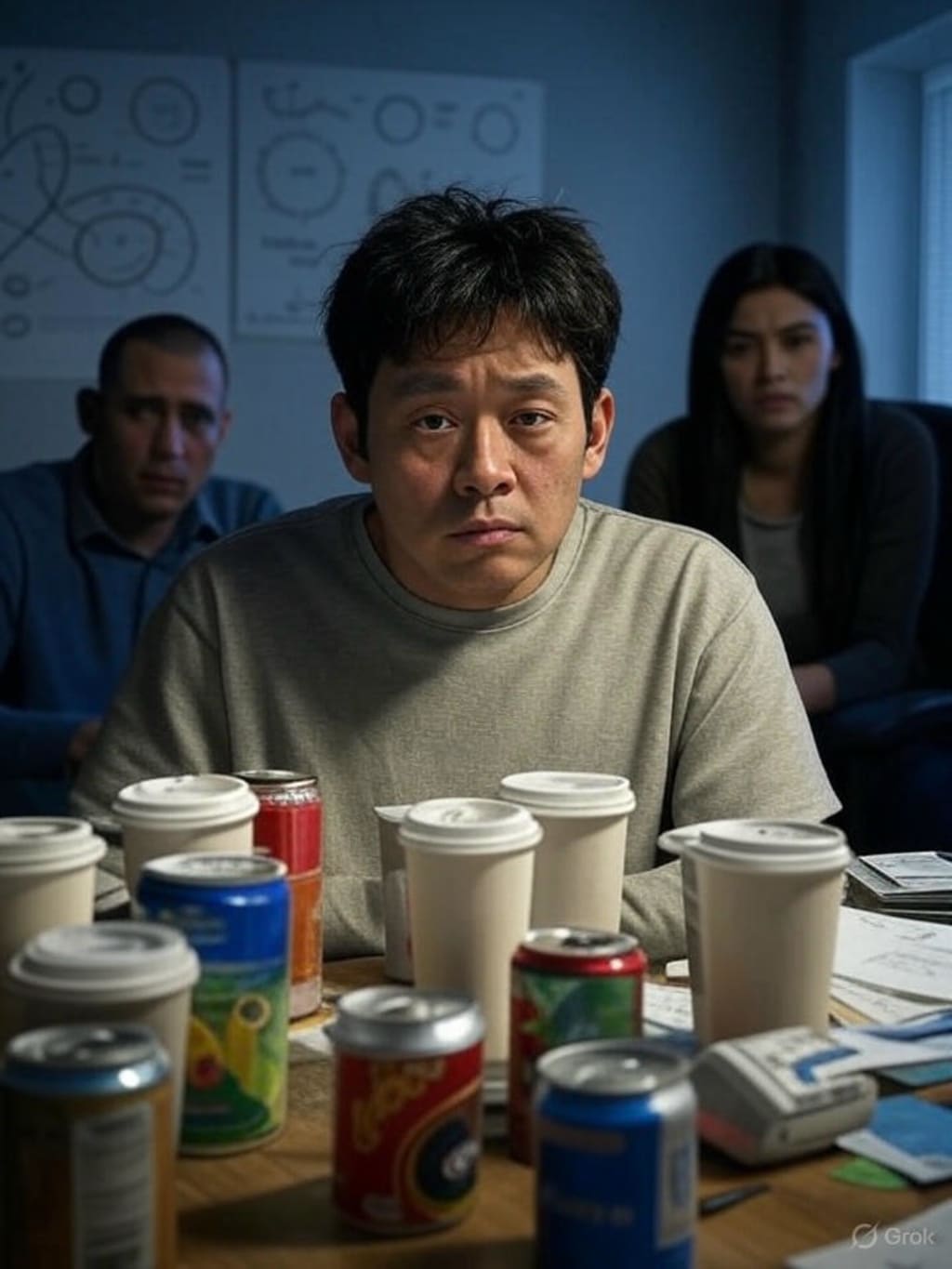
The first night I didn’t get eight hours of sleep, I barely noticed. It was a Tuesday, and work had bled into the early hours. Deadlines loomed, emails pinged, and my coffee machine became my best friend. I managed five hours of sleep, maybe less. I told myself I’d catch up tomorrow. Tomorrow became next week, then next month. By the time I hit 100 nights of less than eight hours—often scraping by on four or five—I was a different person. My body, mind, and relationships bore the scars of chronic sleep deprivation, but the journey also taught me how to claw my way back.
It started innocently enough. A project at work demanded late nights, and I prided myself on being the guy who could “handle it.” I’d power through with energy drinks, blasting music to stay awake, convincing myself that sleep was a luxury I could defer. The science, though, tells a different story. Sleep researchers like Dr. Matthew Walker, author of Why We Sleep, explain that humans need 7-9 hours of sleep nightly to function optimally. Skimp on that, and you’re borrowing from your health’s savings account—with interest. My account was overdrawn by night 30.
Physically, the toll was undeniable. By week three, my skin looked like it belonged to someone a decade older. Dark circles framed my eyes, and my complexion turned sallow. Sleep deprivation disrupts skin repair, as the body prioritizes essential functions over cosmetic ones. My immune system took a hit, too. I caught a cold that lingered for weeks, and every minor scratch seemed to heal at a glacial pace. Studies show that sleep loss reduces natural killer cell activity, weakening your body’s ability to fight infections. I was living proof, sniffling through meetings and popping vitamin C like candy.
My diet didn’t help. Sleep regulates hunger hormones like ghrelin and leptin. Less sleep meant I was ravenous, craving carbs and sugar to fuel my foggy brain. I’d demolish a bag of chips or a late-night burger, only to feel worse. By night 50, I’d gained 10 pounds, my clothes fitting tighter, my energy sapped. Exercise? Forget it. My gym visits dwindled because I was too exhausted to lift weights or run. The irony is that exercise improves sleep quality, but I was too deep in the cycle to see it.
Mentally, the changes were scarier. By night 60, my brain felt like it was wading through molasses. I’d forget names, misplace keys, and stare blankly at spreadsheets, unable to focus. Sleep is critical for memory consolidation and cognitive function. The prefrontal cortex, responsible for decision-making and impulse control, takes a beating without it. I snapped at colleagues over minor issues, my patience eroded. Once, I yelled at a coworker for misplacing a file I’d lost myself. The guilt hit hard, but my brain was too fried to process it properly.
My relationships suffered most. My partner, Sarah, noticed the shift early. “You’re not you,” she said one evening, her voice soft but firm. I was irritable, distant, and quick to argue. Sleep deprivation amplifies negative emotions, making small disagreements feel like betrayals. One study from the University of California found that sleep-deprived couples have more frequent and intense conflicts. We were no exception. By night 80, our conversations were clipped, and I’d retreat to my phone or work to avoid confrontation. Friends noticed, too. I stopped showing up to game nights or returning texts. I was isolating myself, too tired to connect.
The lowest point came on night 92. I was driving home after another late shift, my eyes heavy, the road blurring. I swerved to avoid a car I hadn’t seen until the last second. My heart pounded as I pulled over, realizing I could’ve caused an accident. The National Highway Traffic Safety Administration estimates that drowsy driving causes thousands of crashes annually. I was lucky, but it was a wake-up call. I couldn’t keep living like this.
That night, I started researching sleep recovery. The science was clear: chronic sleep deprivation isn’t just a bad habit—it’s a health crisis. But recovery was possible with deliberate effort. I committed to a plan, drawing from expert advice and my own desperation to feel human again.
Step one was prioritizing sleep hygiene. I set a consistent bedtime—10:30 PM—and stuck to it, even on weekends. The body’s circadian rhythm thrives on regularity, so I avoided late-night screen time, which suppresses melatonin, the sleep hormone. I swapped my phone for a book an hour before bed, dimming lights to signal my brain it was time to wind down. Dr. Walker recommends a cool, dark bedroom (around 65°F), so I invested in blackout curtains and lowered the thermostat. It felt indulgent, but the difference was immediate.
Step two was tackling my caffeine addiction. I’d been chugging coffee and energy drinks to stay alert, but caffeine’s half-life can linger for 5-6 hours, disrupting sleep even if you drink it in the afternoon. I cut off caffeine after 2 PM, switching to herbal tea or water. The first few days were brutal—headaches, lethargy—but my sleep deepened without the stimulant interference.
Diet and exercise came next. I started eating lighter dinners—think grilled chicken and veggies instead of greasy takeout—to avoid digestive issues that disrupt sleep. I reintroduced exercise, starting with 20-minute walks after work. Physical activity boosts adenosine, a chemical that promotes sleepiness. By night 100, I was jogging again, my energy slowly returning. The weight gain didn’t vanish overnight, but I felt stronger, less bloated.
The hardest part was repairing relationships. I sat down with Sarah and apologized. I explained what I’d learned about sleep deprivation’s impact on mood and promised to prioritize us. We started small rituals, like evening walks or cooking together, to reconnect. It wasn’t perfect, but it was a start. I reached out to friends, too, owning up to my absence. Most were understanding, and game nights resumed, laughter replacing the silence.
Cognitively, recovery took time. I used techniques like the “sleep pressure” method—staying awake during the day to build a stronger drive to sleep at night. Naps were tempting, but long naps can fragment nighttime sleep, so I limited them to 20 minutes if needed. I also tried mindfulness meditation, which studies show can reduce insomnia by calming an overactive mind. Ten minutes before bed, focusing on my breath, helped quiet the racing thoughts that had kept me up.
By night 100, I wasn’t fully “fixed,” but I was better. My skin looked less like a zombie’s, and my colds were less frequent. I’d lost a few pounds, my focus was sharper, and I didn’t snap at people as often. Sarah and I were talking again, really talking, and I felt a spark of the old me returning. The science backed my progress: even partial sleep recovery can reverse some damage, though full restoration takes months for chronic cases like mine.
Looking back, those 100 nights taught me sleep isn’t a luxury—it’s a necessity. The body can endure short-term sleep loss, but chronic deprivation is like running a car on fumes. It affects everything: your health, your mind, your connections. Recovery isn’t instant, but it’s worth the effort. I still have late nights occasionally, but I guard my sleep fiercely now. Eight hours isn’t always possible, but it’s the goal. And when I slip, I remember night 92, the swerve, the fear—and I choose differently.
If you’re reading this and you’re sleep-deprived, don’t wait for a wake-up call like mine. Start small: set a bedtime, ditch the late-night coffee, move your body. Talk to the people you love before the distance grows. The science is clear, but the lesson is personal: sleep is the foundation of who you are. Don’t let it crumble.
About the Creator
Muhammad Ahmar
I write creative and unique stories across different genres—fiction, fantasy, and more. If you enjoy fresh and imaginative content, follow me and stay tuned for regular uploads!
Keep reading
More stories from Muhammad Ahmar and writers in Humans and other communities.
How Europeans Stay Productive Without Burning Out: 5 Habits
Introduction: In a world driven by hustle culture, Europe stands out as a region that values work-life balance without compromising productivity. Unlike the constant grind mentality in other parts of the world, Europeans have mastered the art of staying productive while maintaining their mental and physical well-being. In this article, we’ll explore five key habits that help Europeans stay efficient without burning out and how you can incorporate them into your own routine.
By Muhammad Ahmar 10 months ago in Humans
How To Recover Emotionally After Being Cheated On Completely
Infidelity is one of the most heart-breaking experiences in the relationship. The primary part of recovery involves accepting that you are in pain and that you are not minimizing or ignoring the pain. Stifling of emotions may lengthen the agony and make real healing impossible. Getting used to betrayal will enable you to discuss your anger, sadness, confusion, and loss which is critical in recovering emotions.
By Mark Hipsterabout 8 hours ago in Humans
Becca
"Everything is so... flat." Denille said stupidly as she looked around her new neighborhood. She looked around at the muted desert where even the smallest sign of life seemed to have given up. The plant life was shrubs that were half cooked by the heat and where there should have been a lawn, a mess of white rocks laid glistening in the sun. Even the sky looked stretched thin, like the sun had ironed it smooth. She’d moved from Riverside, where at least there were hills, but here in Barstow, everything felt baked and brittle.
By Sara Wilsonabout 14 hours ago in Fiction



Comments
There are no comments for this story
Be the first to respond and start the conversation.